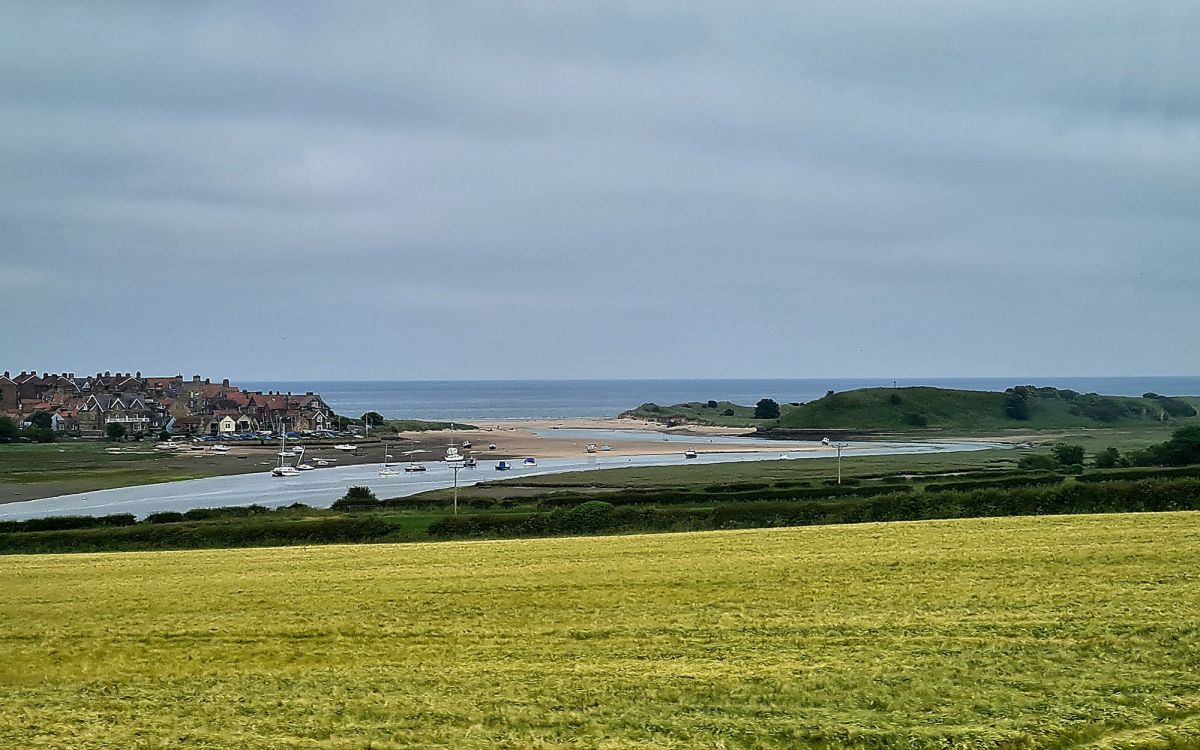
After leaving Whitby, we had more light winds on the Yorkshire and Northumberland coasts as far as Amble in Northumberland. However, we arrived just before the first strong winds of the cruise – too strong, in fact, because they kept us there several days.

It was no penance, because the countryside is beautiful and we found plenty to do. Warkworth castle is well worth visiting, and there is a lovely coastal path to the seaside village of Alnmouth, with a frequent bus back to Amble.
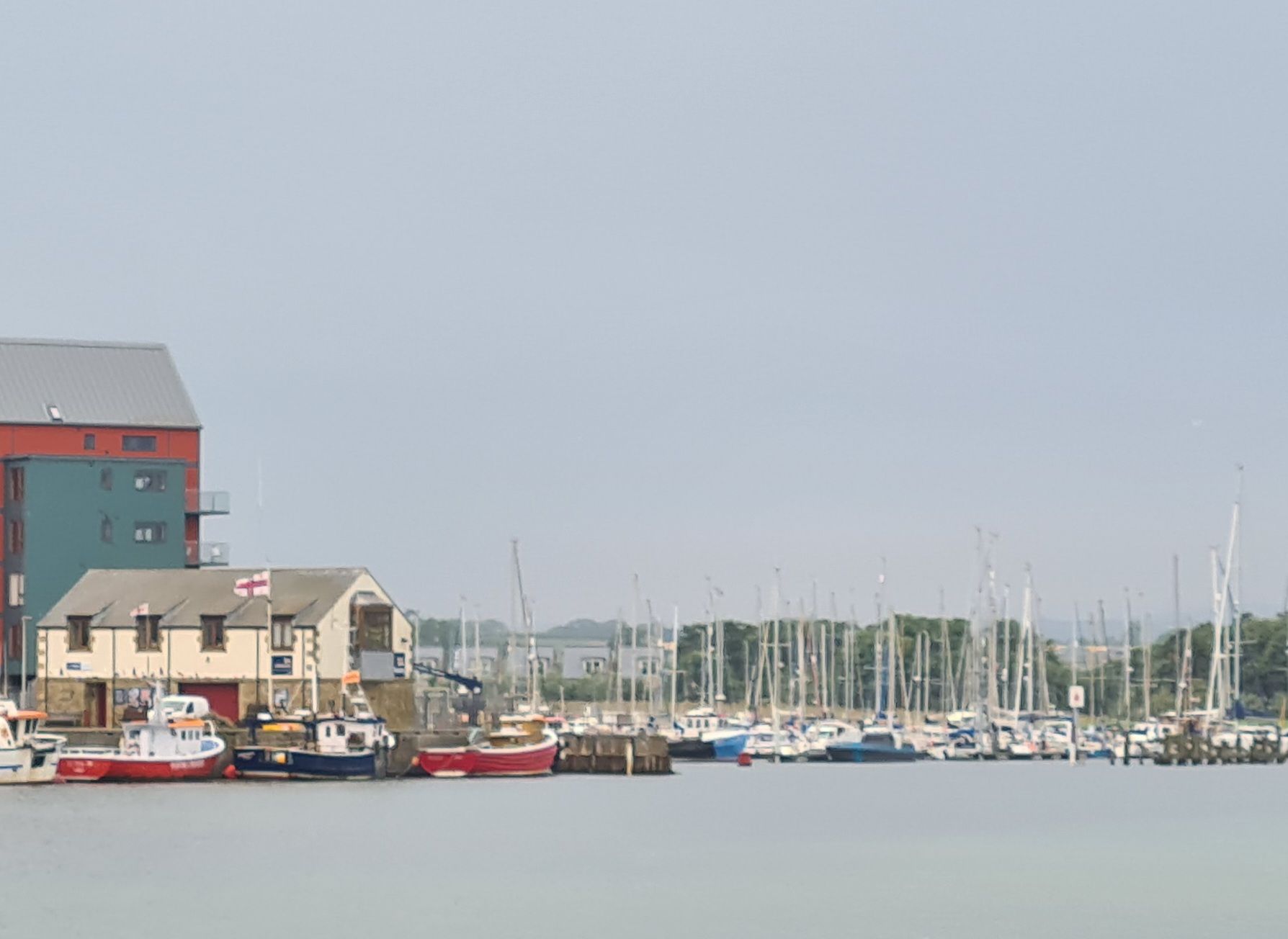

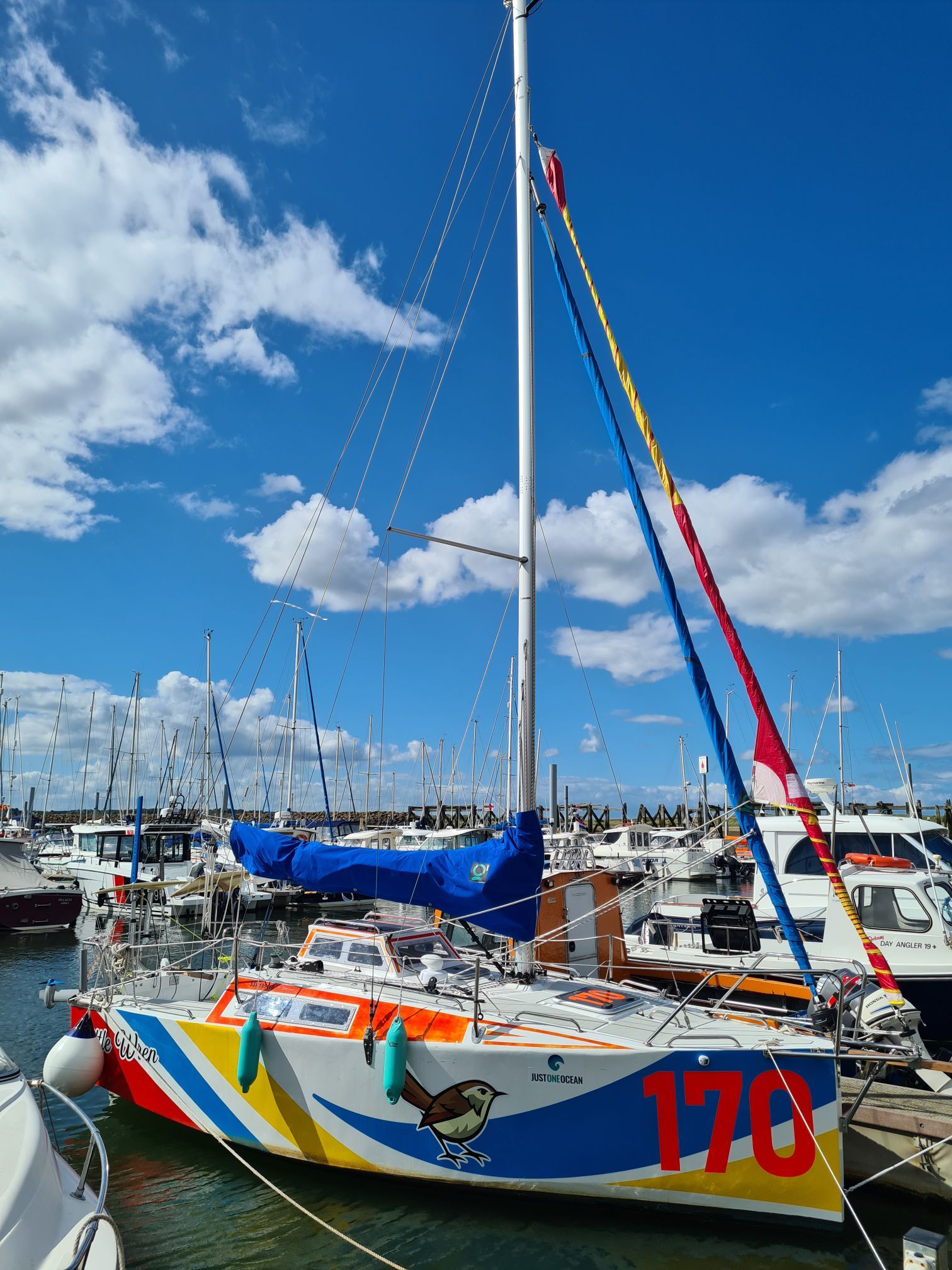
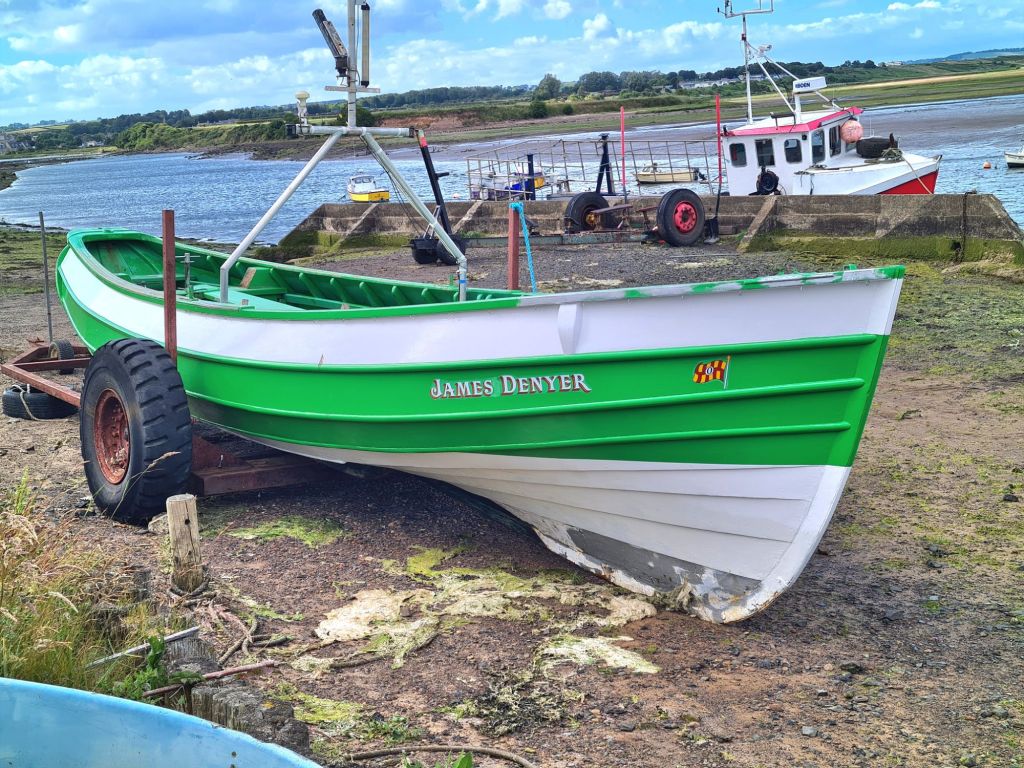
After losing three days to strong winds, we had to abandon plans to anchor for a while by the Farne Island bird reserve and then to spend a night or two at Holy Island.
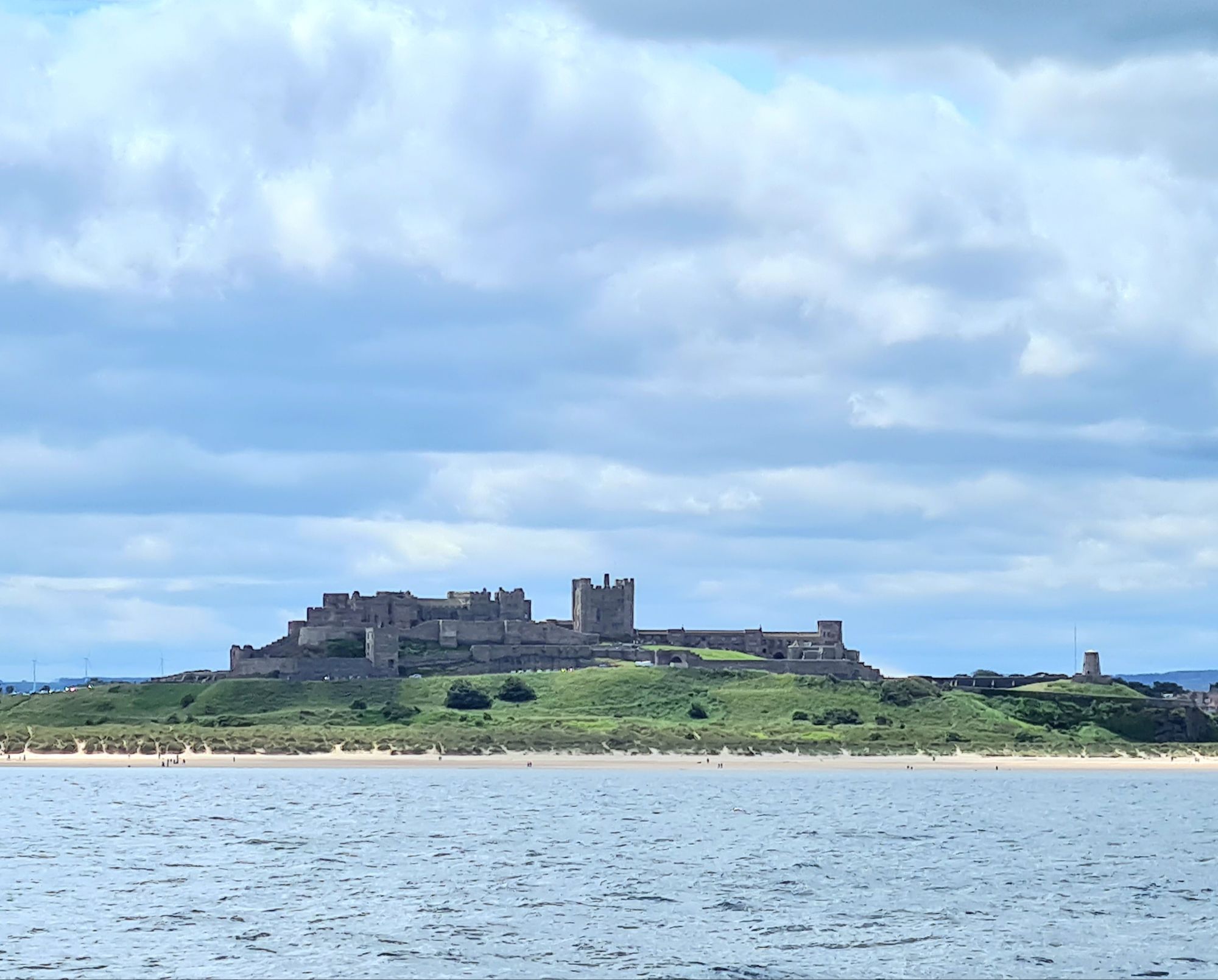
We went straight on to Scotland and into the first port across the border, Eyemouth. This has an entrance close to a beach which can’t be seen until the boat is almost upon it – nerve wracking for the first time but this was our third visit.
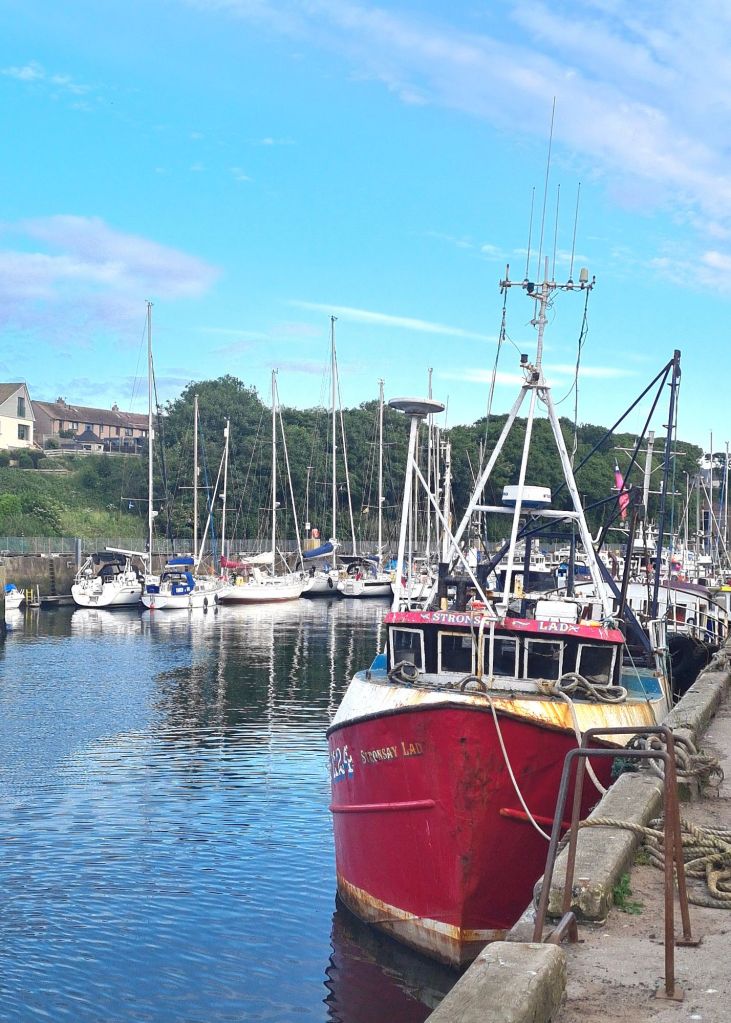
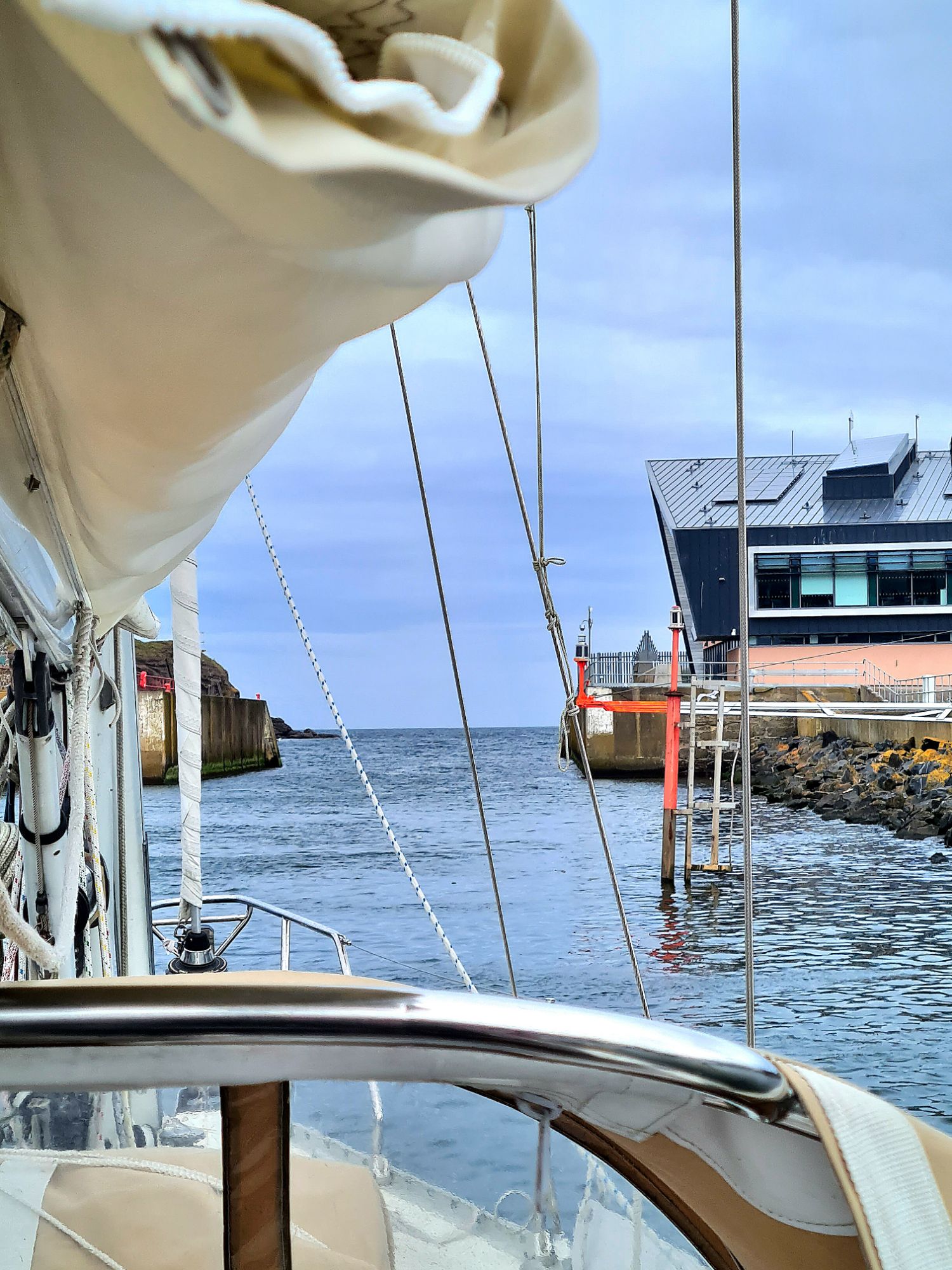
We stayed one night, and left early for Arbroath, a town the other side of the Firth of Forth, sailing gently for most of the passage until the wind began to die 10 miles from our destination. Arbroath is where the smokies come from – haddock, smoked whole, ungutted.
Our passage was finely timed: Arbroath has a gate that opens either side of high tide, and because it was neaps it was for less than an hour that evening. We had got it just right.
Then we changed our minds: with some doubtful weather looming in a day or two and a peaceful night forecast, we decided to change course and head another 65 miles up the coast to Peterhead, to make some more ground before the unpleasantness arrived.
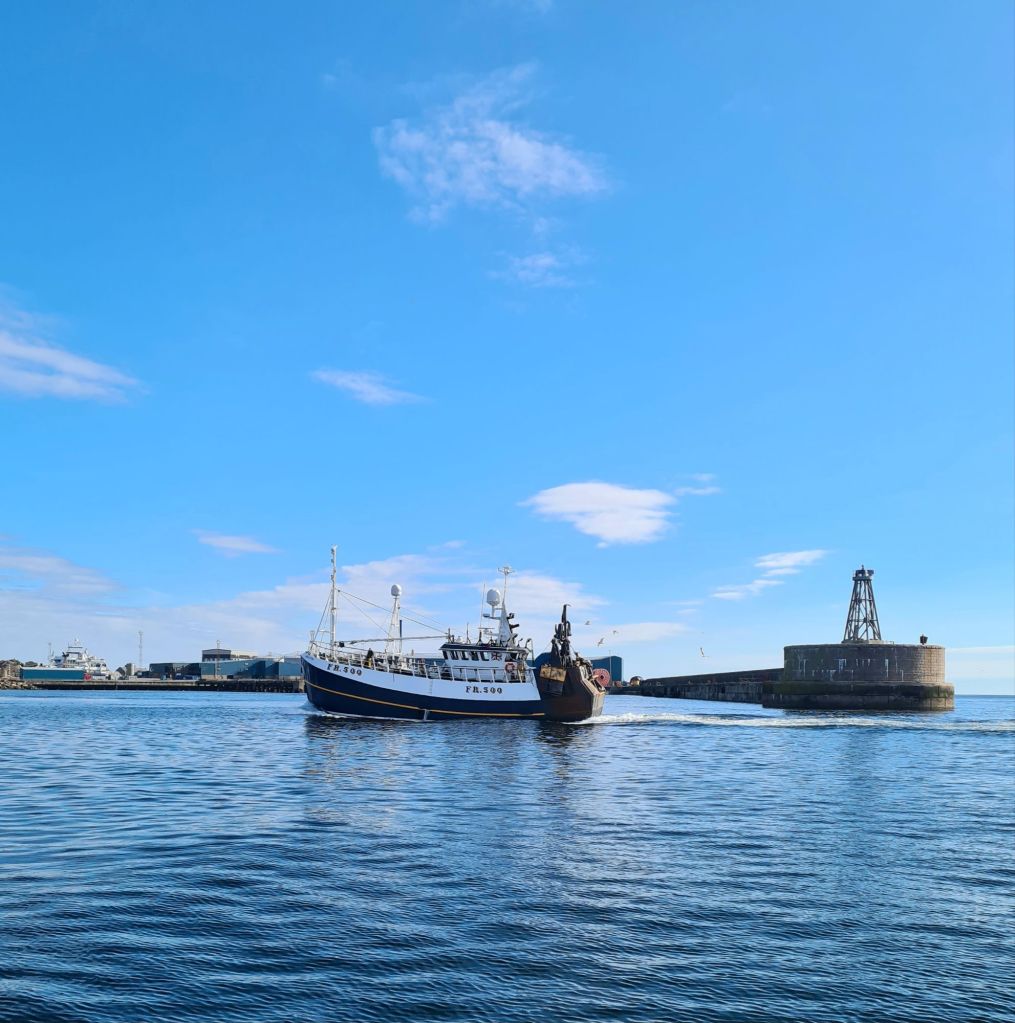
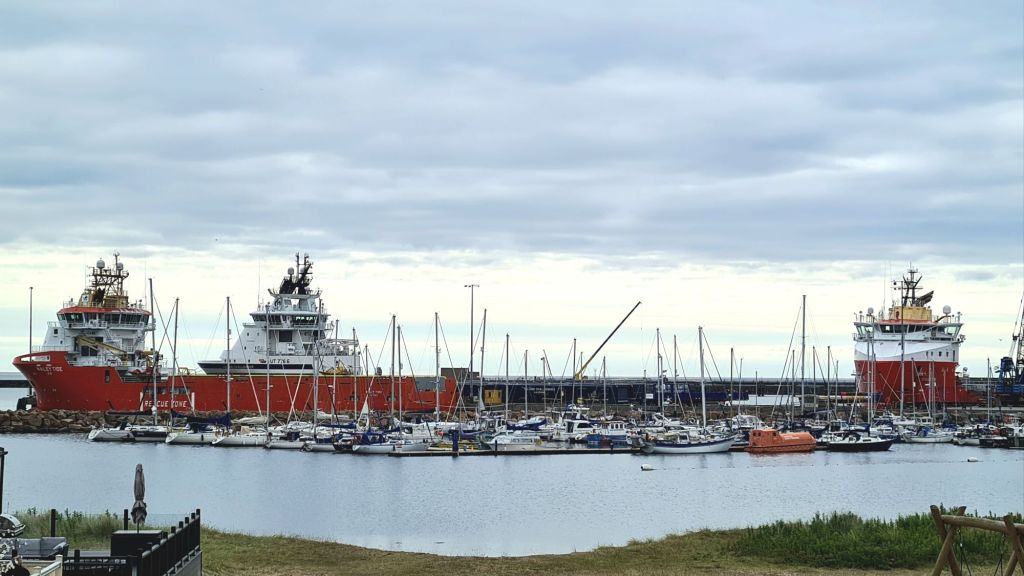
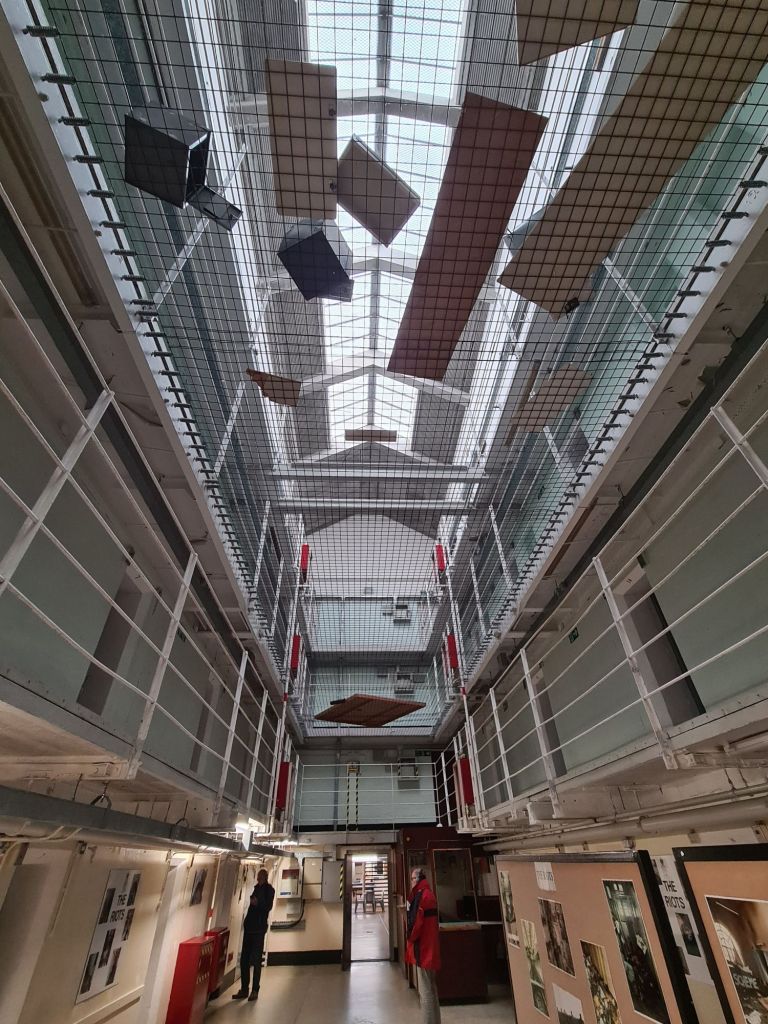
Peterhead has never been Aberdeenshire’s best face, partly because of the prison overlooking the harbour. This time, however, the old Victorian prison proved surprisingly interesting because it was turned into a museum after it was closed in 2013 when a replacement prison opened immediately next to it. The museum tells the story of Britain’s only penal prison, built to provide labour for the quarries used to build the giant breakwater that guards the harbour, which was not finished until the 1950s.
Looking around the cells and what passed for recreation areas, no wonder Peterhead prison has had such a grim reputation. One of the warders’ hosting visits said the atmosphere in the new prison wasn’t much better.
 tide by tide