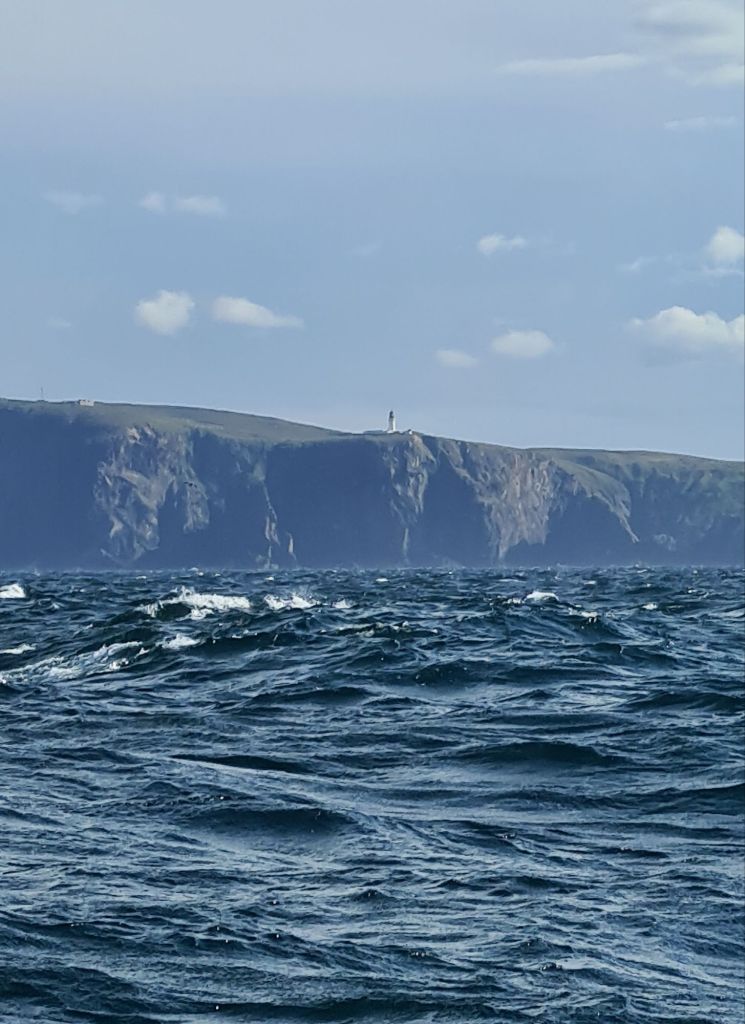
By great good fortune, the wind started coming from the east just as we were planning to head for the famous headland of Cape Wrath away to the West. What could have been a hard-working 90 mile battle into the wind to Cape Wrath and south to Kinlochbervie became an exhilarating down-wind ride.
First, we had to thread our way out from Kirkwall through passages between islands. The quickest exit to the West is through a shallow, narrow channel called Eynhallow Sound, where the tides run ferociously fast and cause mayhem in the water if they meet a swell and a wind coming from the west.
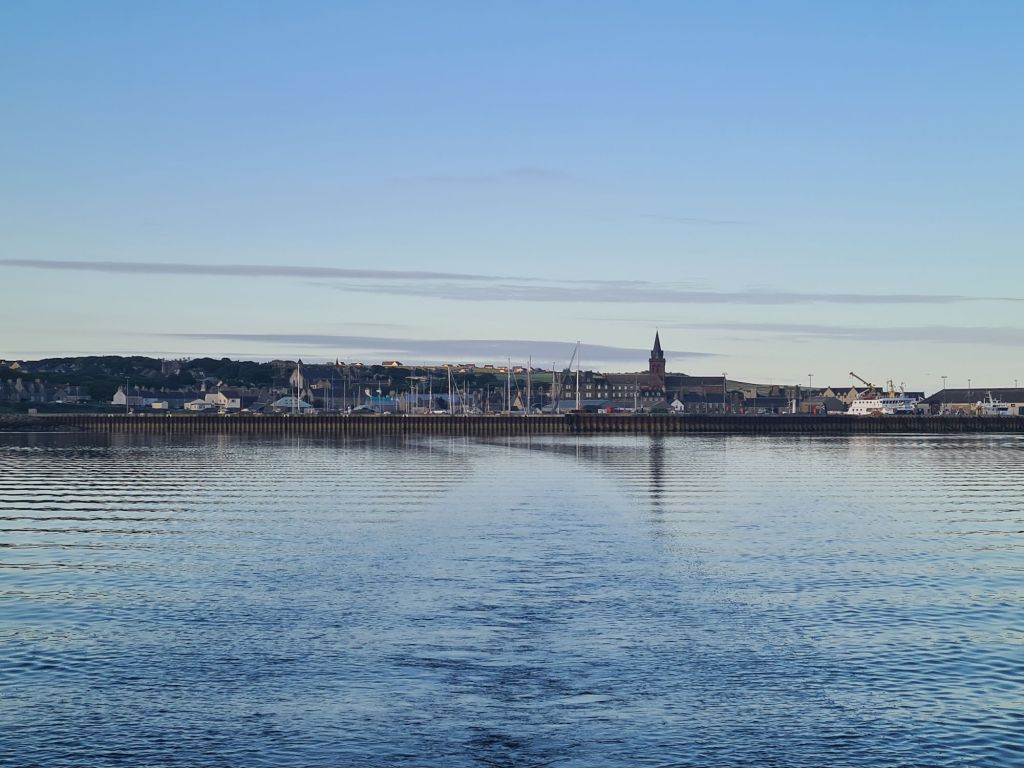
The advice is to time arrival at the Sound just before low tide when the flow has slowed and the turbulence has briefly subsided. That meant leaving Kirkwall at 5 a.m.
The day started windless and sunny, with tidal turbulence only visible on the glassy surface, often grabbing the boat sideways so we had to correct the course continually.
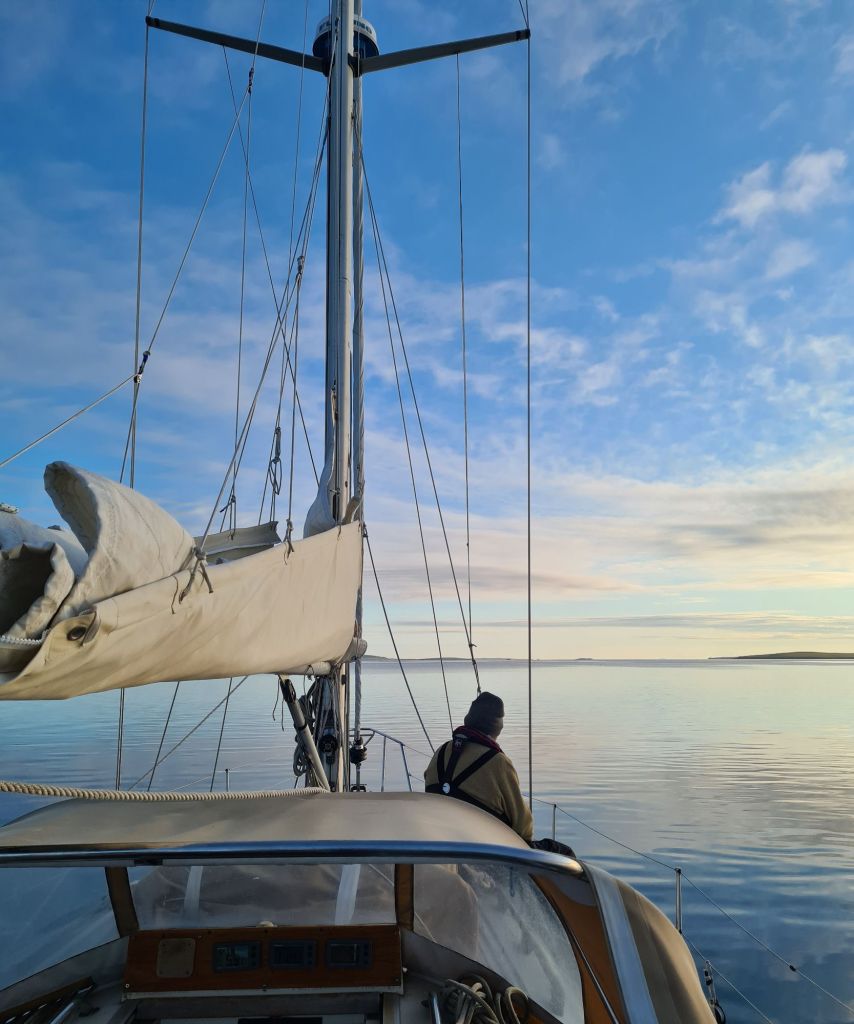
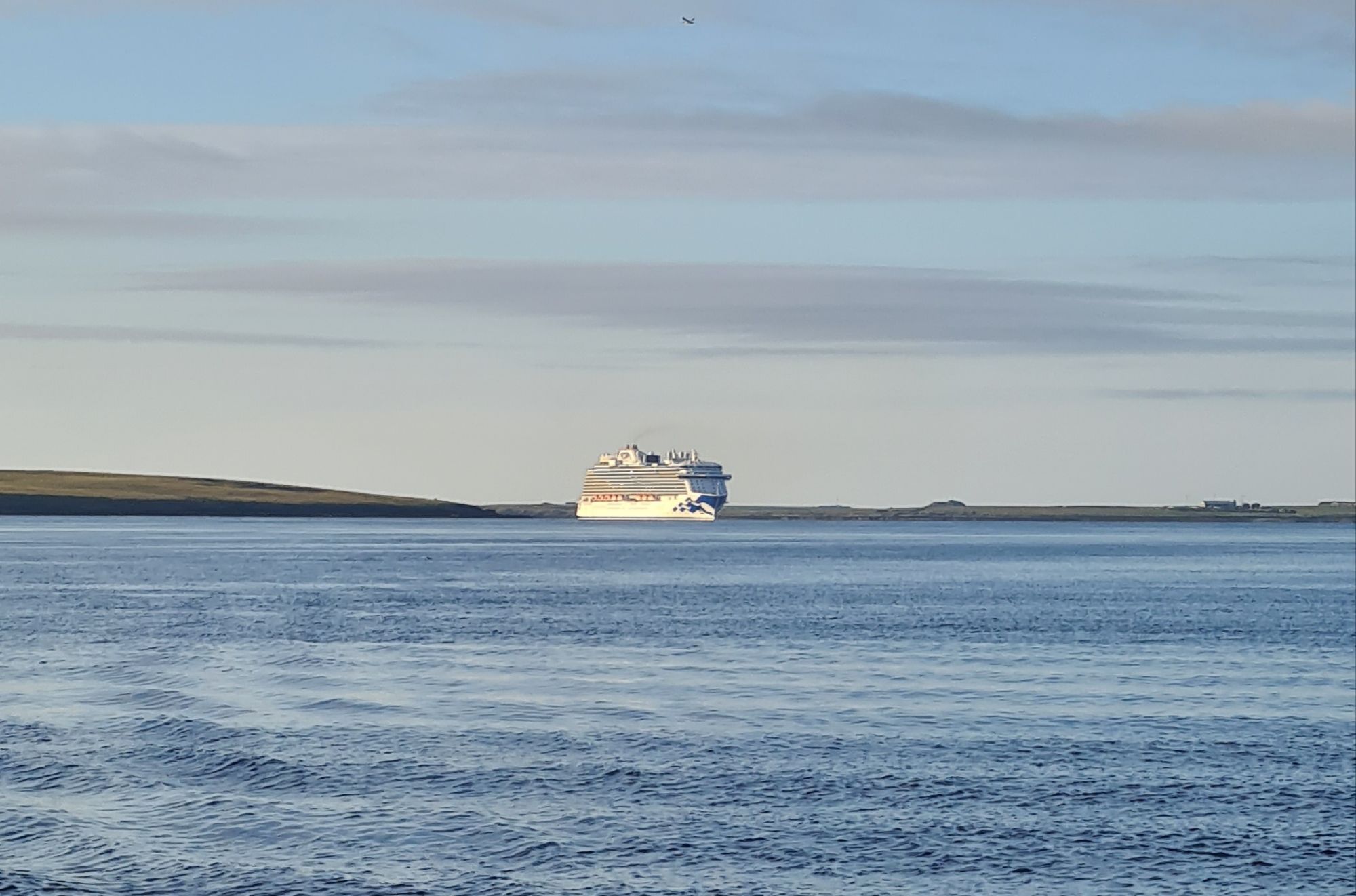
We went through Eynhallow Sound in equally calm conditions at slack tide, where we met the first waves of a low north Atlantic swell. They reared up and rolled the boat as they met the last of the outgoing tide – a mild hint at what would happen with big swells and winds against a strong tide.
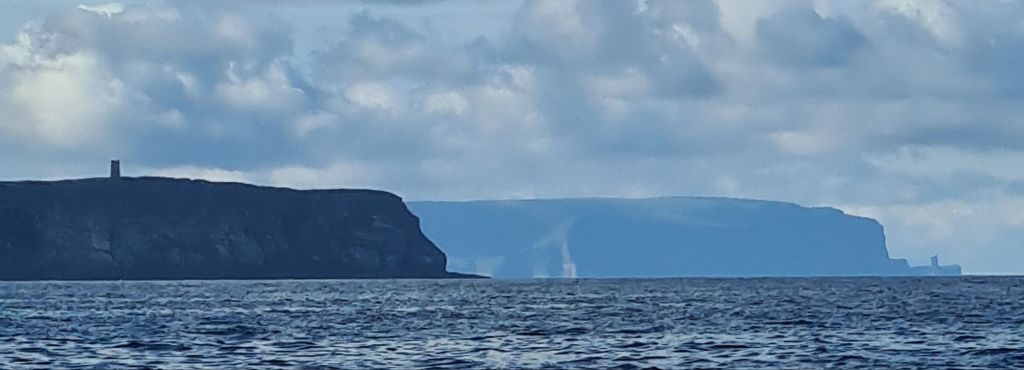
Once out at sea, we motored for the first few hours of a 16 hour passage until the wind gradually built up through Force 3 to Force 5. With the engine off, we were tearing along at 7 to 9 knots over the ground, helped much of the time by a west-going tide. We had the mainsail double reefed to ease steering. Later, the wind reached Force 6.
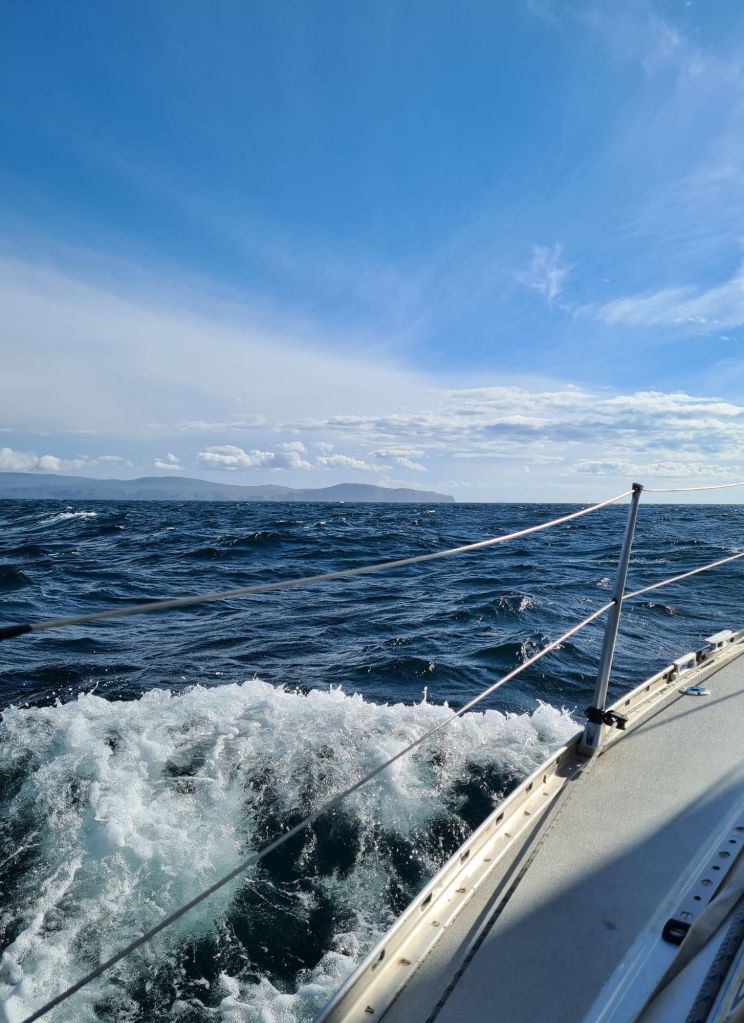
The Cape is so prominent we could see its outlines in the distance hours before we arrived. Wrath actually means turning point in Old Norse, but the Cape is well known for angry seas, and sudden changes of weather. There’s not much between the north-west corner of Scotland and the Arctic. The cliffs as you approach the Cape from the North East are spectacular; the Cape itself was in sunlight as we rounded it.
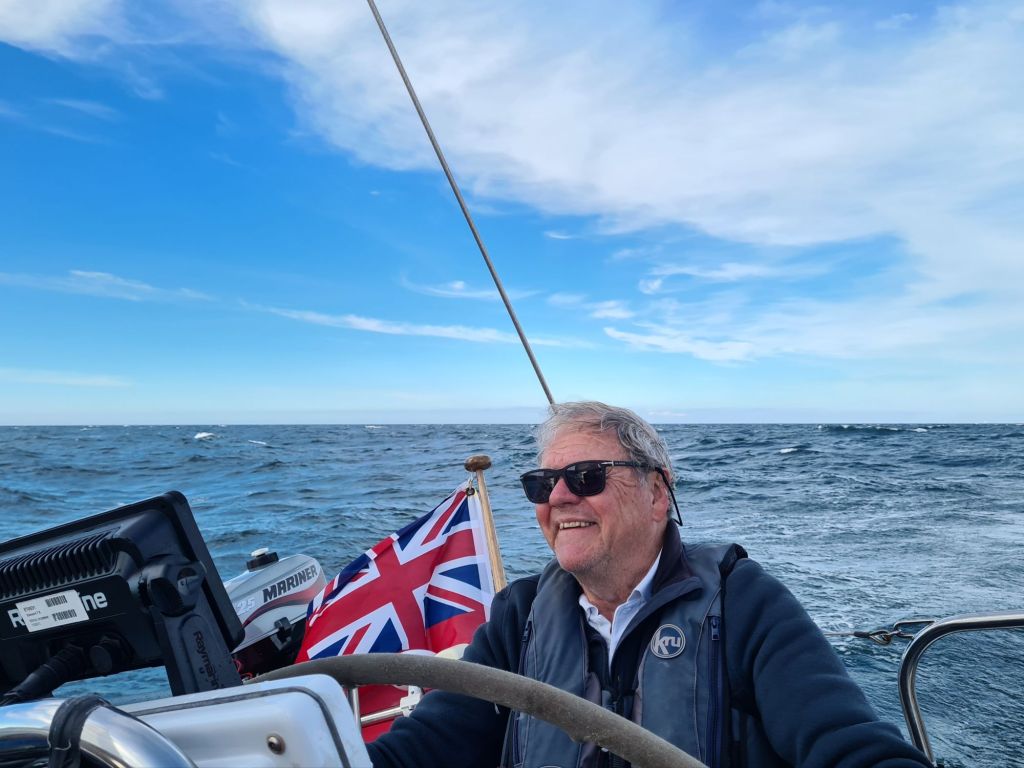
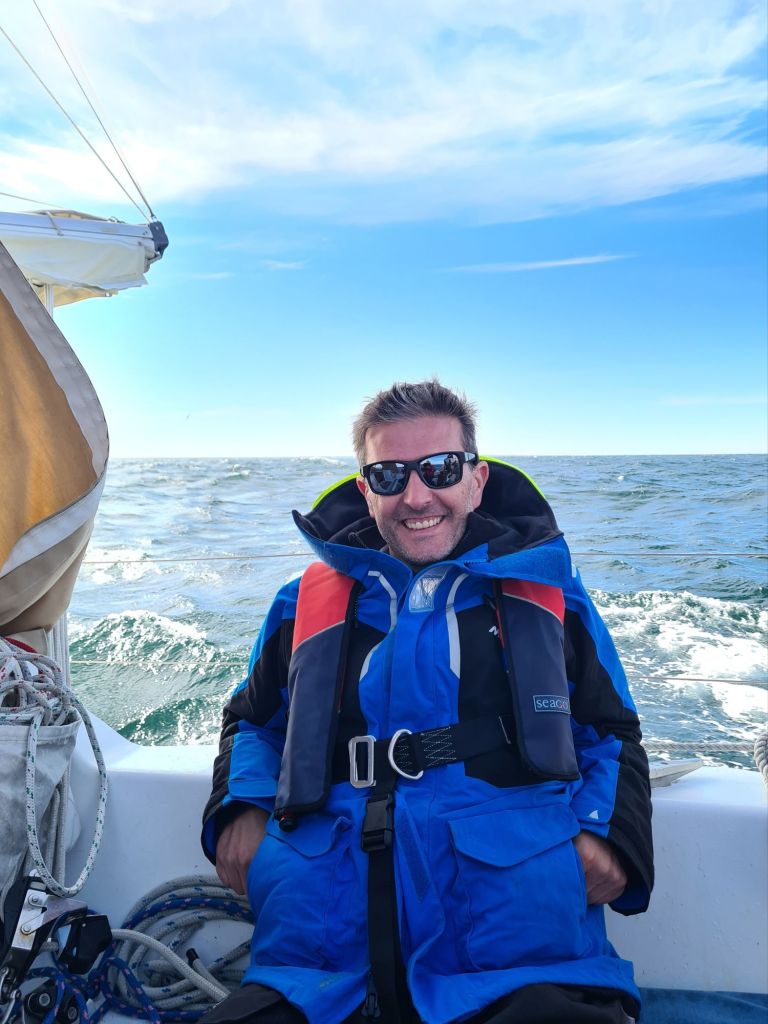
The seas were big enough to make steering hard work as we passed the Cape and turned 15 miles south down the mountainous Sutherland coast towards the tiny fishing port of Kinlochbervie, the first safe harbour. The sun went, the cloud closed in, the wind gusted, and the last miles of the passage were hard work, with the wind whistling in the rigging.
We turned east across a deep bay to find the almost hidden entrance to Loch Inchard. Round a bend in Loch Inchard and out of sight till you are almost upon it, Kinlochbervie appeared at the head of a small and sheltered side loch.
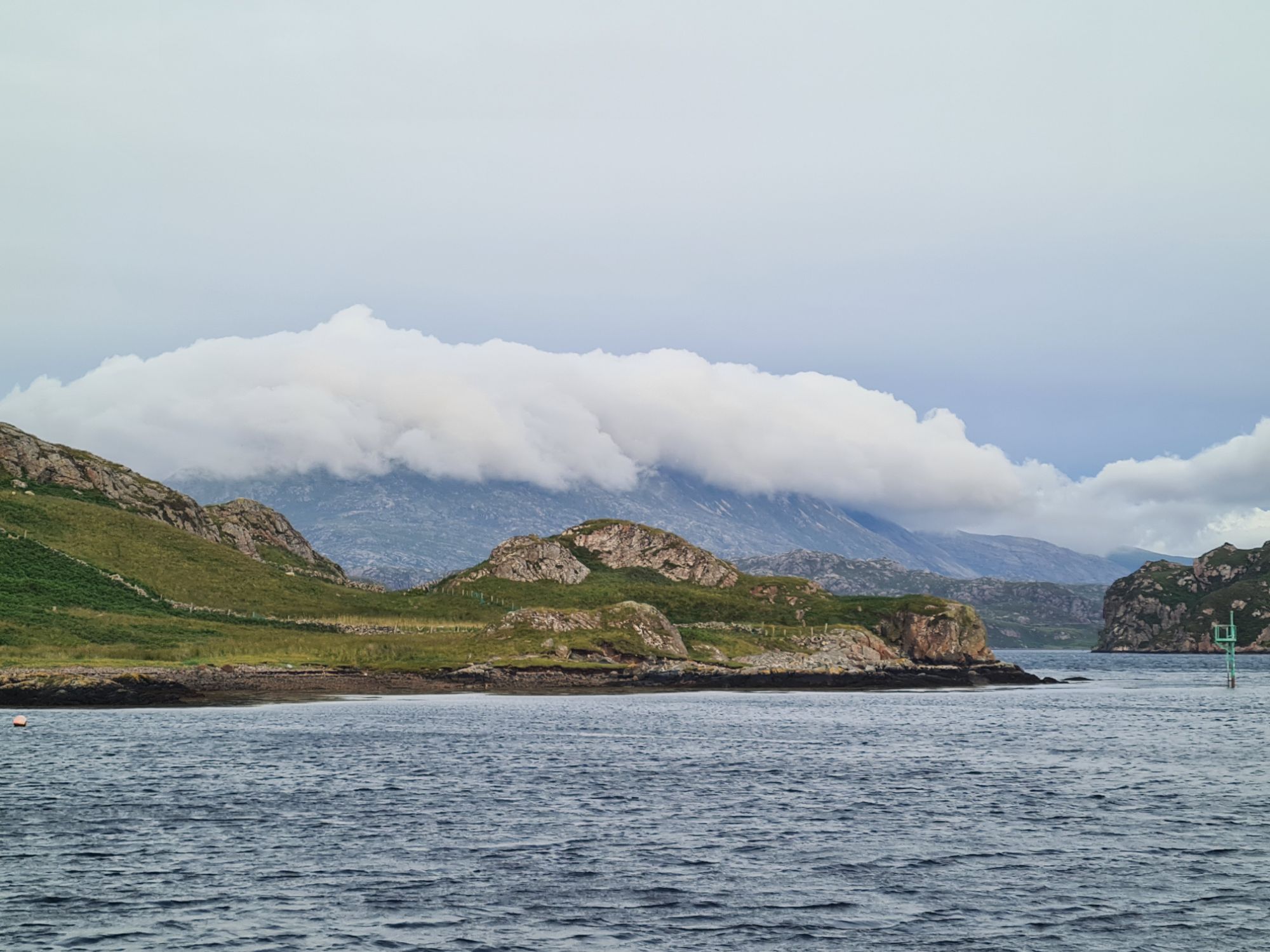
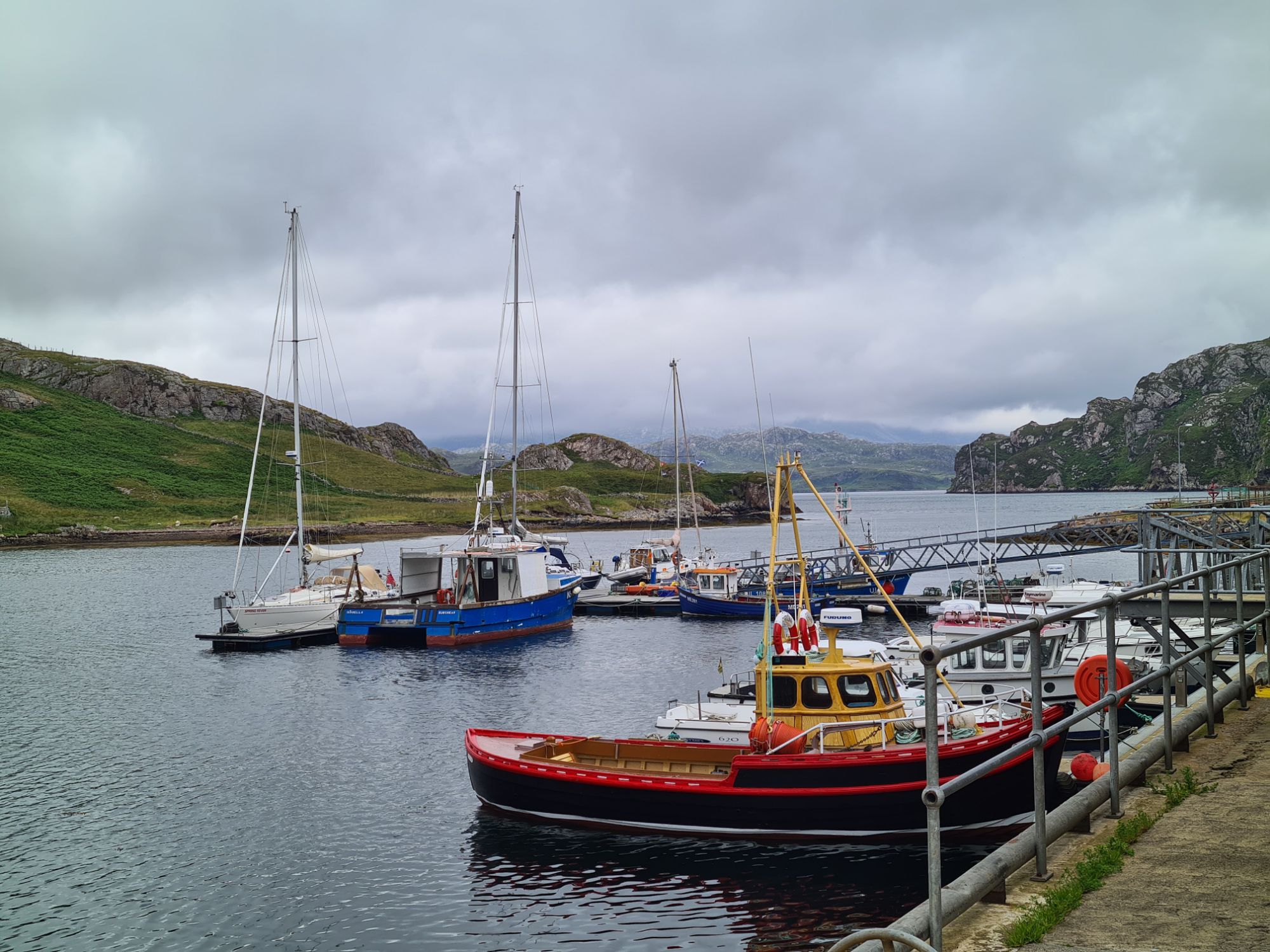
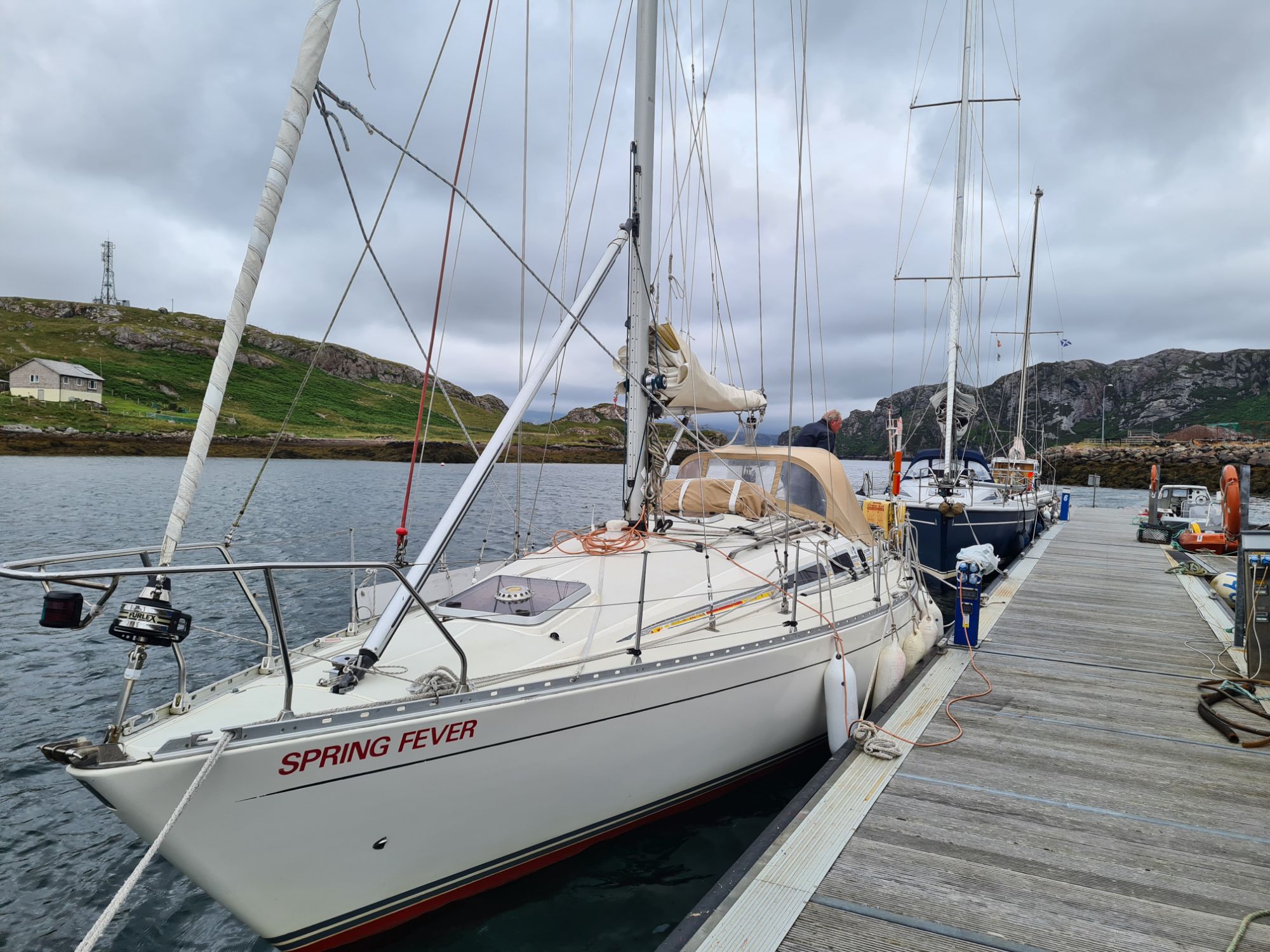
It’s a fishing village with modern quays and warehouses that have seen better days. There are two good cafes and a shop, and a pontoon for visiting yachts where we moored after much the best sail we have had on this cruise.
To see all the earlier posts on this cruise, click on this link.
 tide by tide