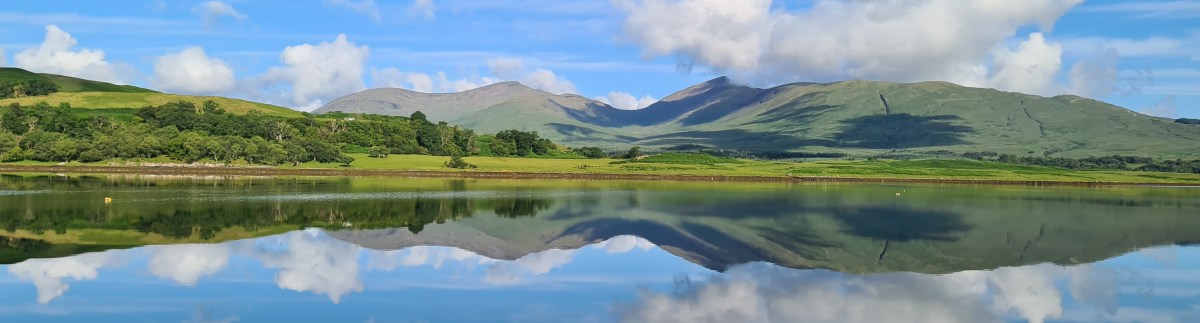
After cruises with perfect weather in September and May, we were bound to experience the other side of Scotland sooner or later. Rather too much of our 15 days in June was spent hiding from the weather instead of enjoying it.
The first plan was to head for Barra in the Outer Hebrides and work our way up some of the anchorages on the islands as far as Harris and Lewis.

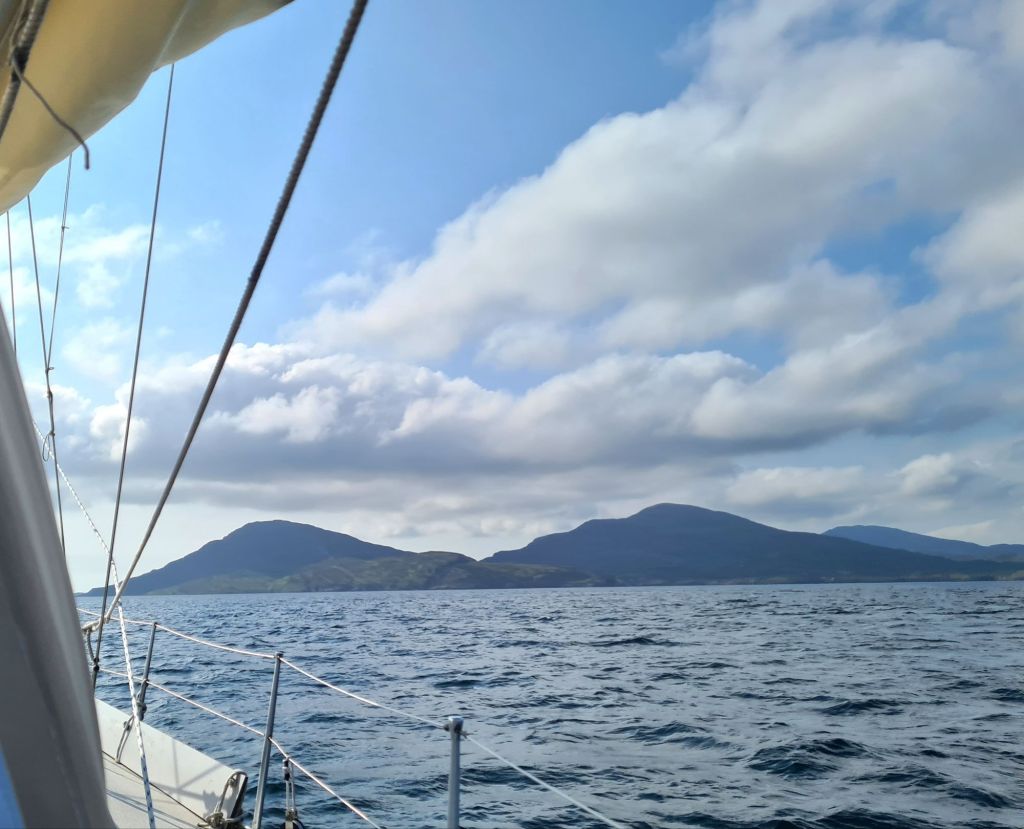
It started well, with two days of fine weather. We went from Kerrera to Tobermory, and left the next day in gentle winds for the 55 miles to Lochboisdale in South Uist, after deciding at the last minute against Barra. The pilot book says Barra’s Castle Bay is uncomfortable in strong southerlies and south-westerlies, and the (by then) forecast showed that was what we were about to get.
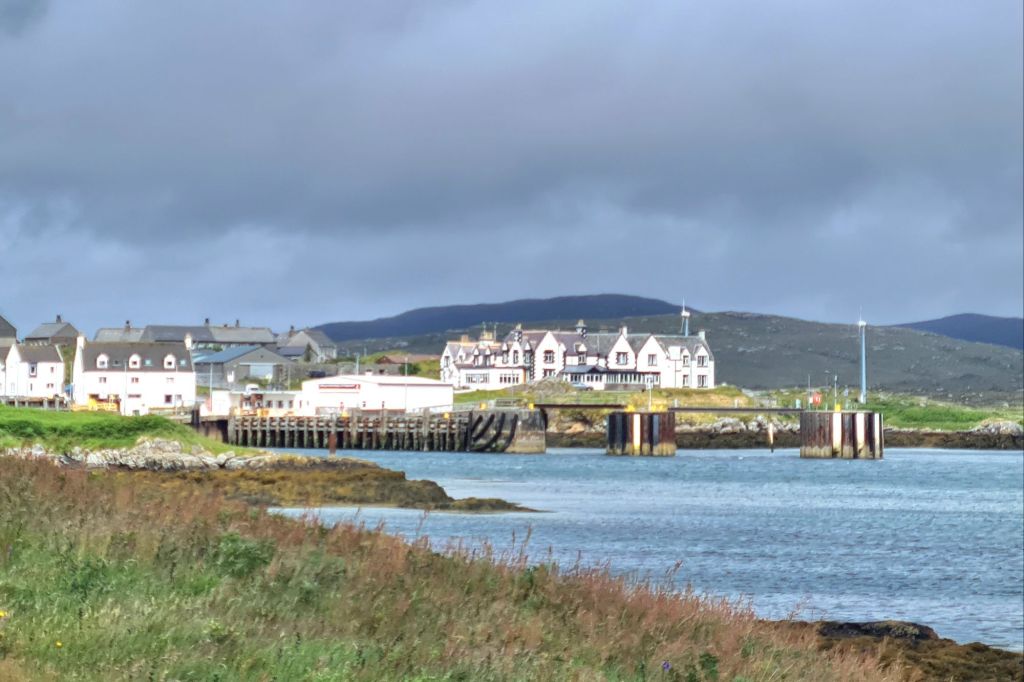
Lochboisdale Harbour is protected. The village has a bakery (fresh bread and cakes) and a hotel with a pleasant, old-fashioned bar and friendly landlord, but that’s about it. The tourist office that used to welcome ferry passengers from Mallaig has closed.
After sitting out a first day of heavy rain and strong winds on the boat and in the pub, the rain eased enough the next day to sightsee using a local bus across South Uist and Benbecula, the neighbouring island joined by a short causeway.

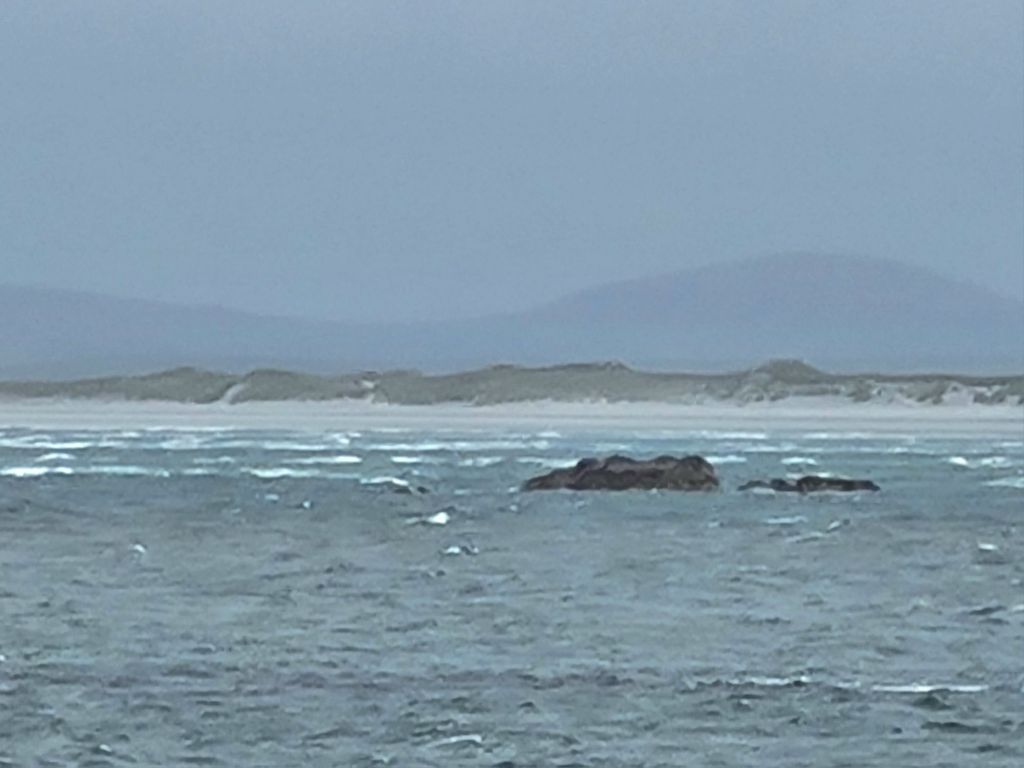
Benbecula has a fascinating landscape: it looks almost as much water as land, with small freshwater lochs dotted all over it, and sea lochs coming right inland.
On the way to the island, you can see the missile launching base and the big military radar and communications sites that are an important part of the South Uist economy.
After buying stores in the village of Benbecula we stopped off on the way back at the South Uist Museum, which is well worth a visit: it tells the story of the tough lives of the crofters, including the forced clearances in the 19th century that led many to emigrate. Now much of South Uist is owned communally by the islanders. As in Barra, Roman Catholicism survived the reformation and is still the main tradition on the island.
There’s a museum section about the island’s deep gaelic culture and the rich tradition of story telling and singing that persisted there long enough for it to be studied, collected and preserved.
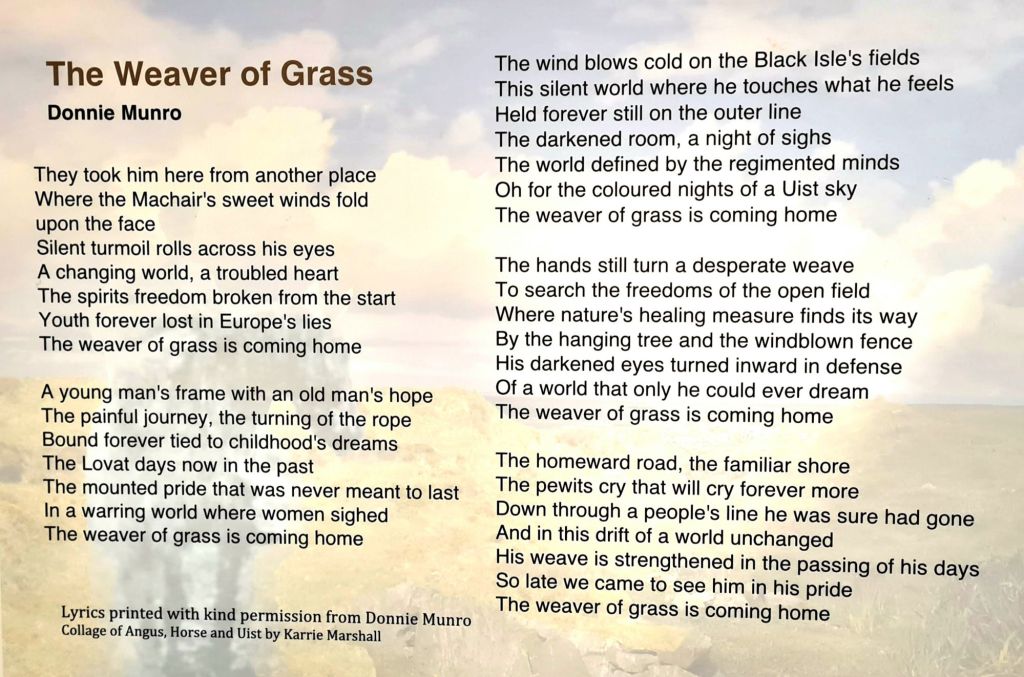
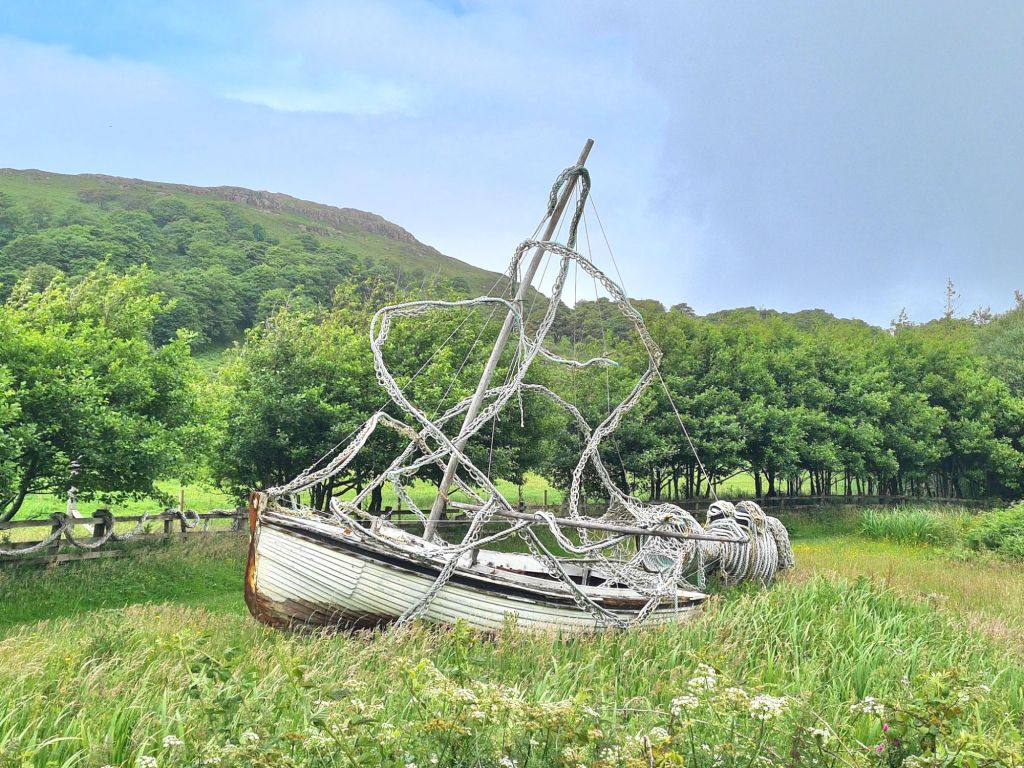
It includes a touching connection with modern Scottish culture in the words of a song by Donnie Munro of the ’90s band Runrig. It’s called The Weaver of Straw, and is about Angus MacPhee, who came back to South Uist so traumatised after serving in the army in WWII that he never spoke a word for 50 years. His sole pursuit was weaving straw into familiar and fantastic shapes.
After three nights sheltering in the very well protected Lochboisdale marina, we decided to go back to the mainland. It was clear that in two days time another series of depressions was going to pass close to the outer Hebrides so we’d just find ourselves stuck in the next anchorage north.
So we sailed back the 60 miles to Loch Droma na Buidhe (a.k.a. Drumbuie) on the mainland in 9 hours, averaging nearly 7 knots, with the wind on the beam, the fastest point of sailing, with intense small showers scurrying across our course and occasionally catching us. It was much the best sail we’d had all year.
After anchoring for the night in peace and quiet we sailed 5 miles to Tobermory for a pontoon berth. There were strong winds forecast right through till Saturday night, so there we stayed, taking the opportunity to see some of the island and do outstanding repairs and maintenance on the boat.
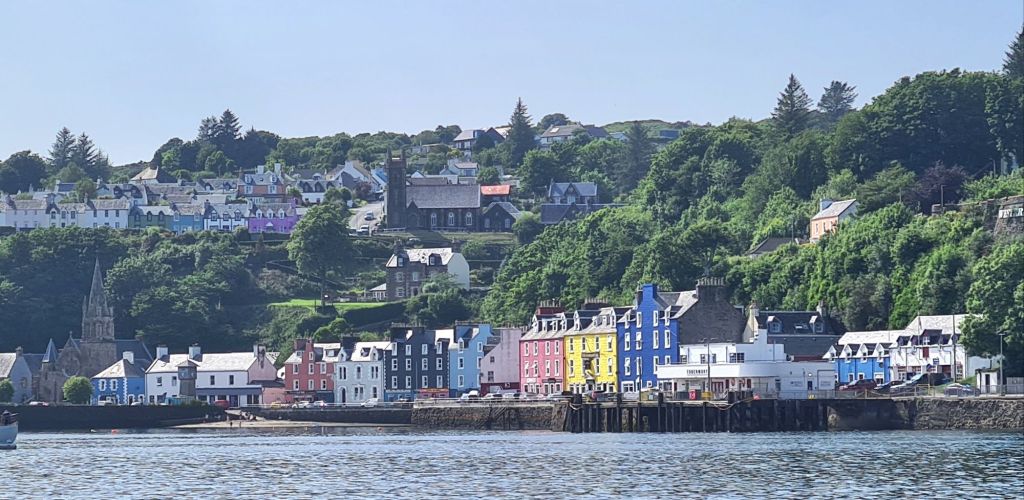
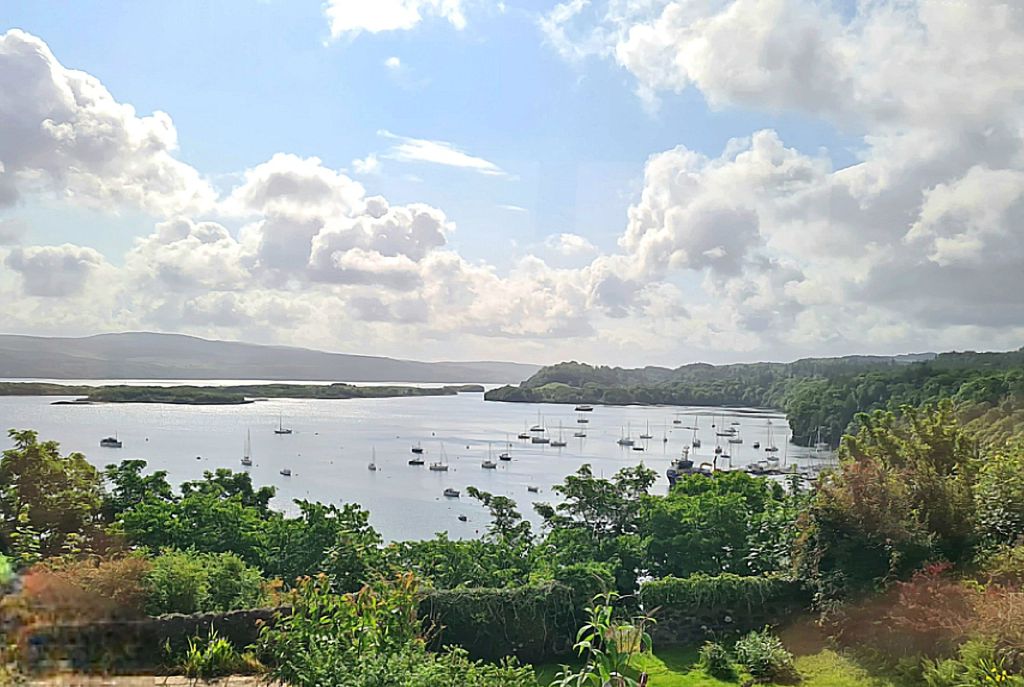
When the rain cleared and the wind eased for a few hours on Sunday we had a sunny morning sail 15 miles down the Sound of Mull to Loch Aline, which is pretty and sheltered.
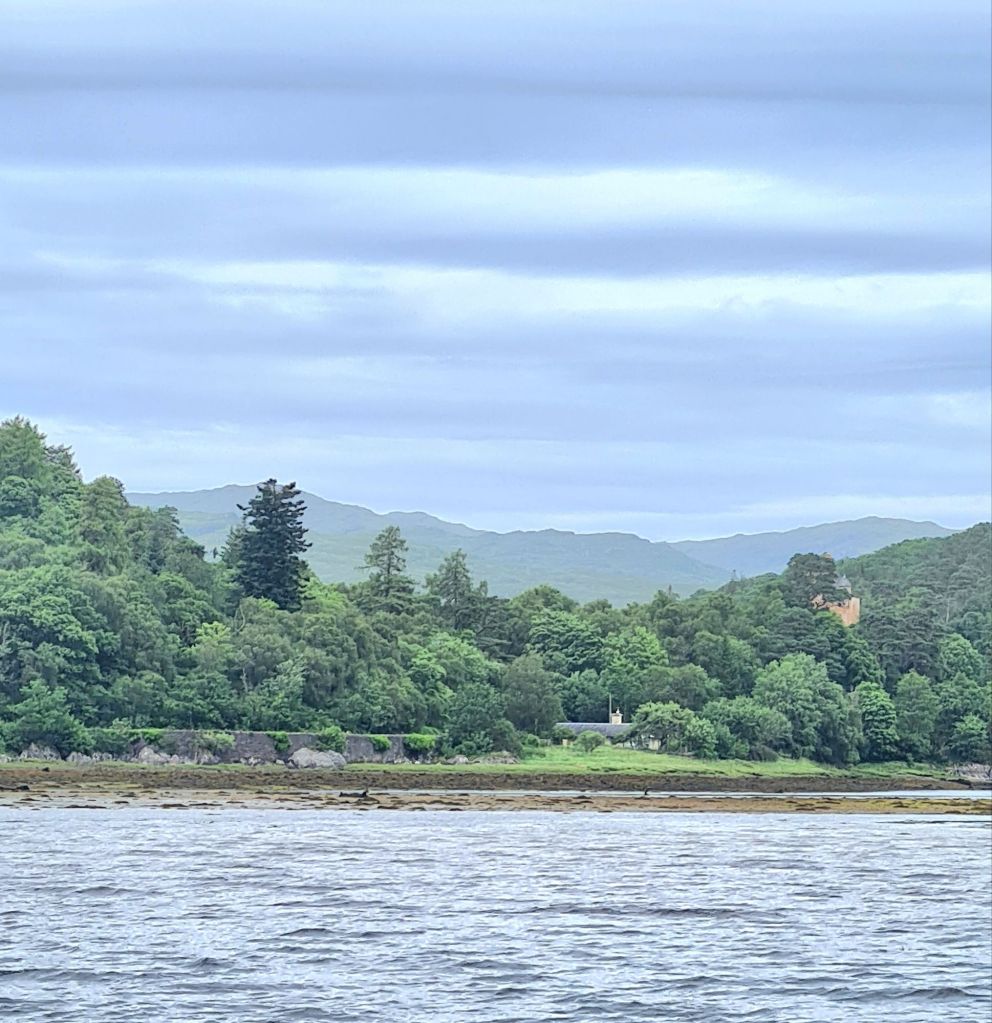
Plans to go for a walk ashore were abandoned next day in heavy rain, because we’d be soaked in the dinghy. So we stayed at anchor a second day and night, read, played backgammon and watched old iPlayer and Netflix downloads.
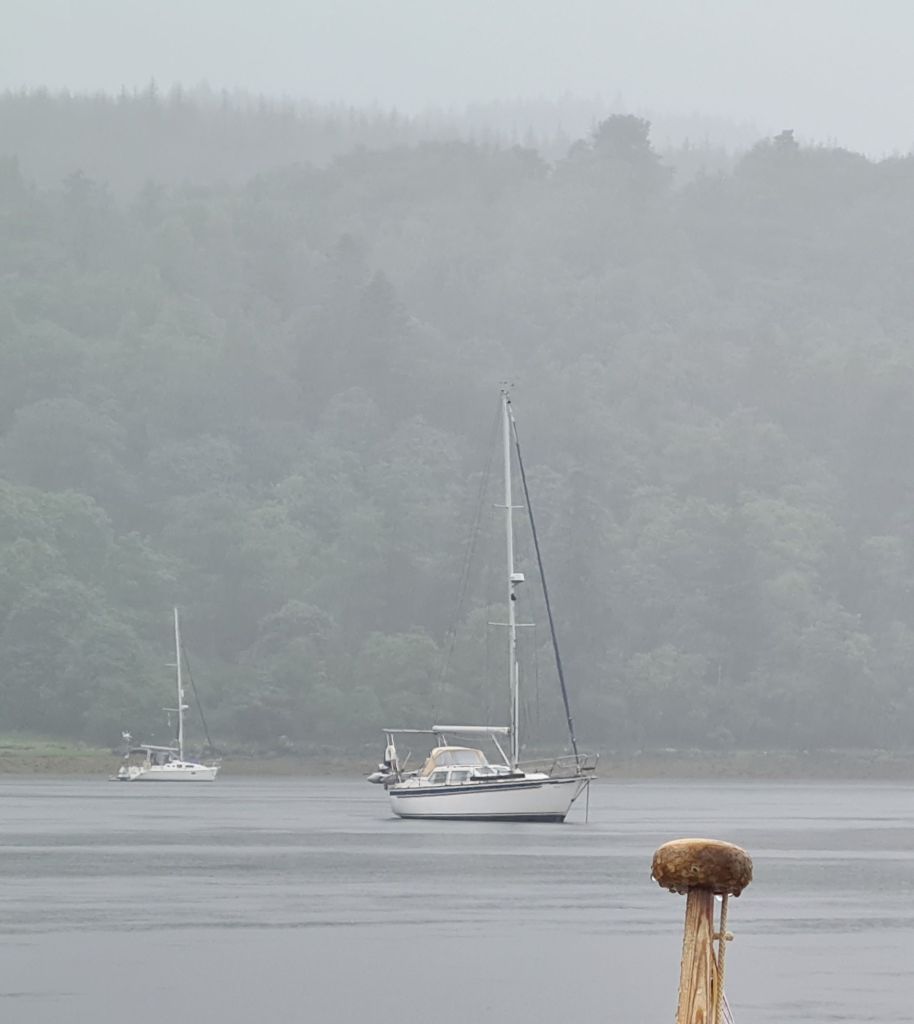
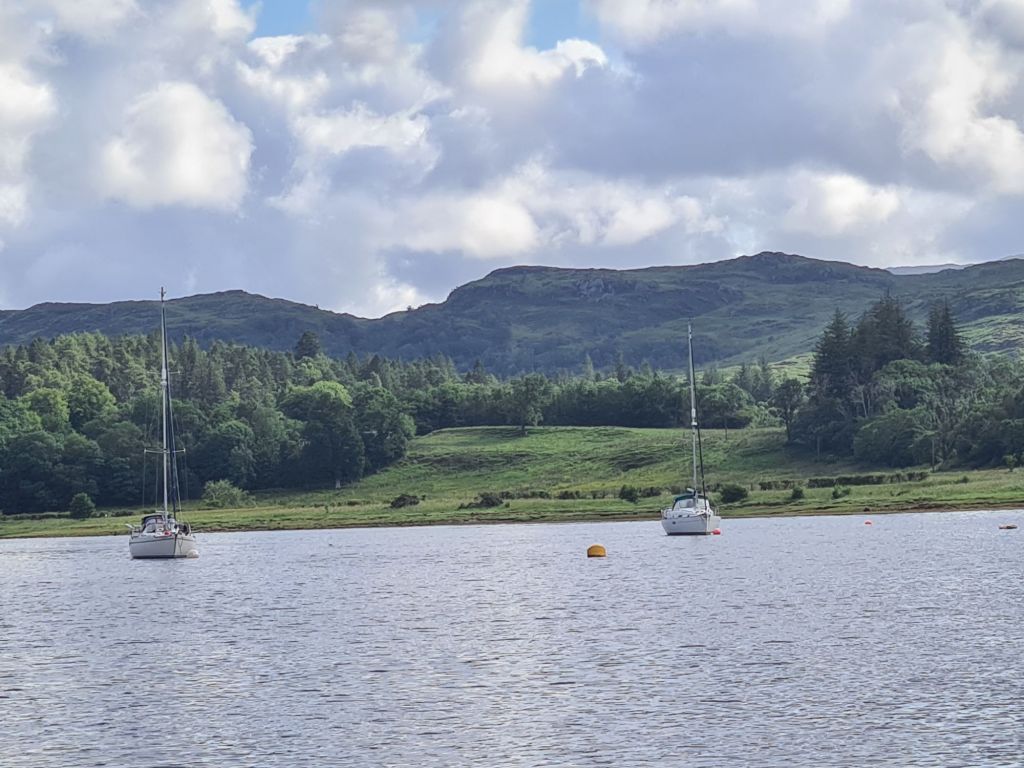
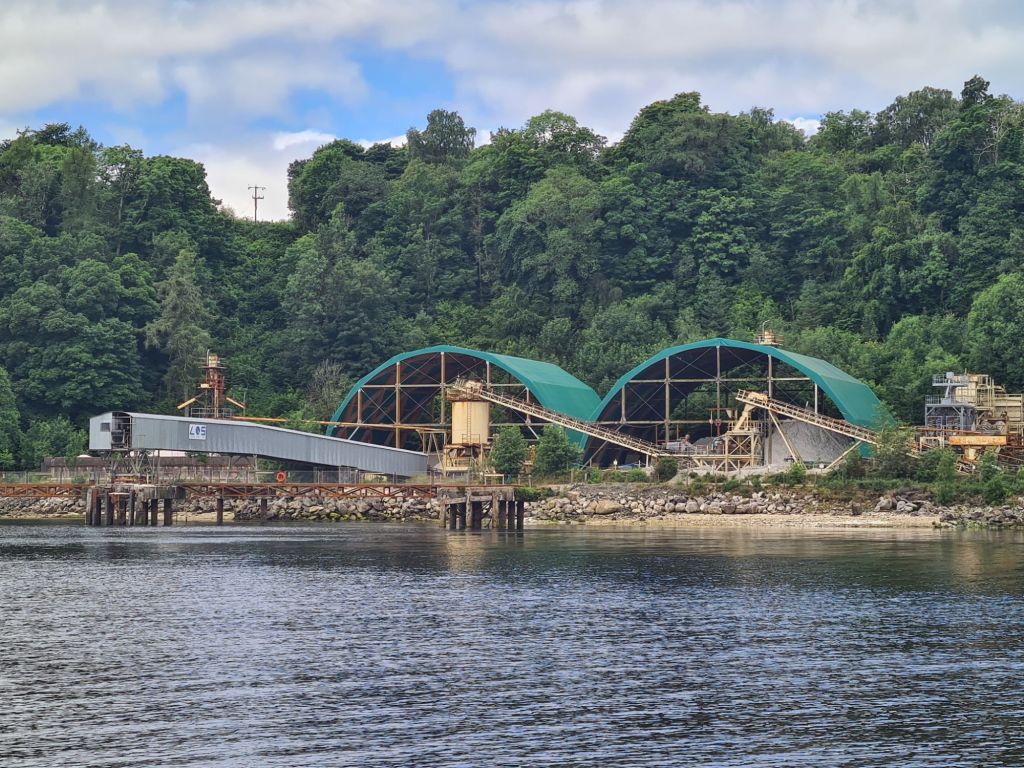
Loch Aline is pretty, sheltered and has a thriving village near a quartz sand mine, which is used for making high quality glass. It’s said to be the only sand from an underground mine in Europe. Quartz is a valuable material and the tonnages aren’t large, so the facilities aren’t intrusive.


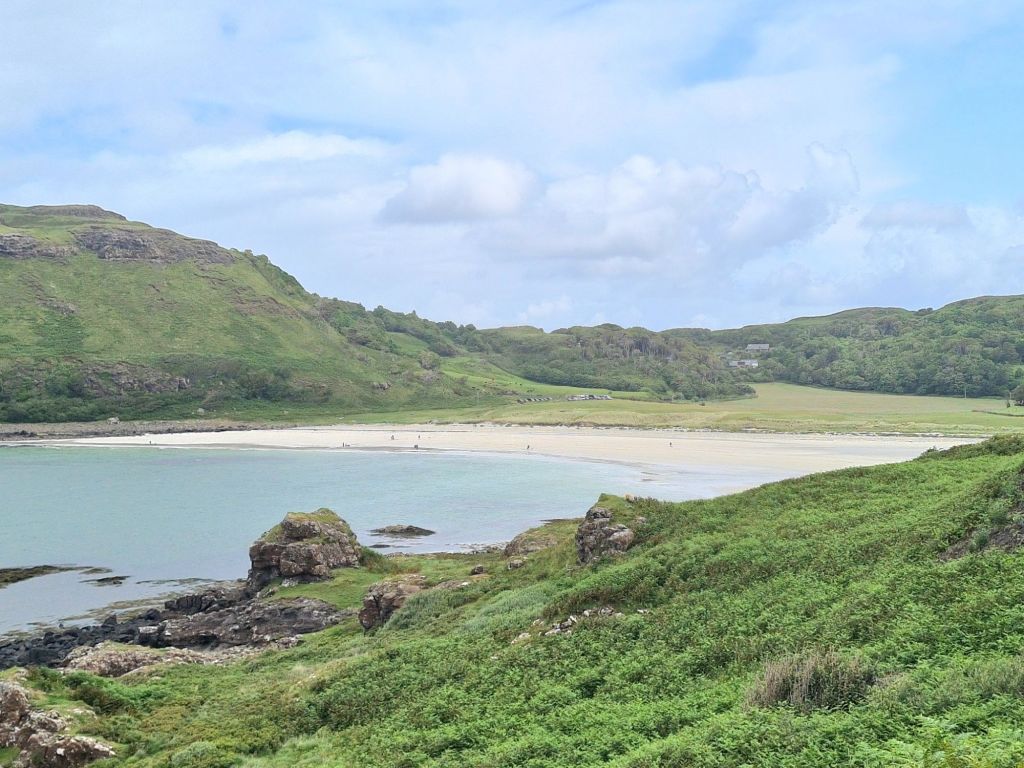
From Loch Aline, we sailed a gentle 12 miles to Loch Don on Mull, a good place for watching wildlife. The channel into the loch is narrow, muddy and winding, almost like a Suffolk river. Once in, it is well sheltered. We anchored overnight in the deepest pool in the loch, all of 6 metres, which makes it unusually shallow for Scotland.
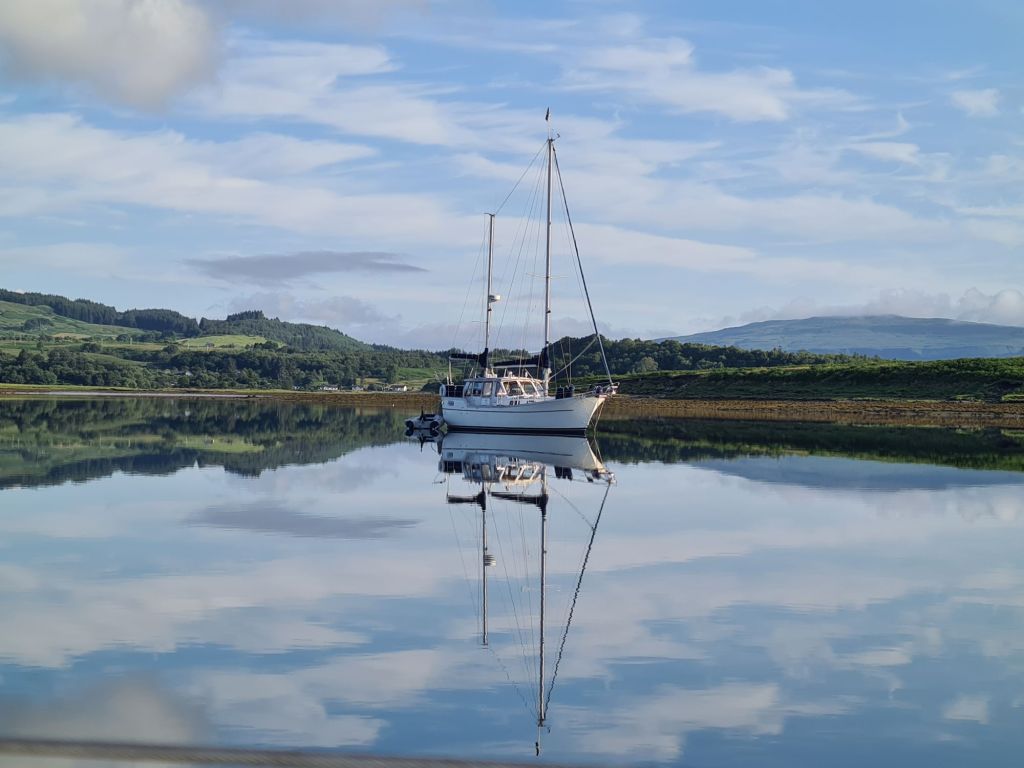

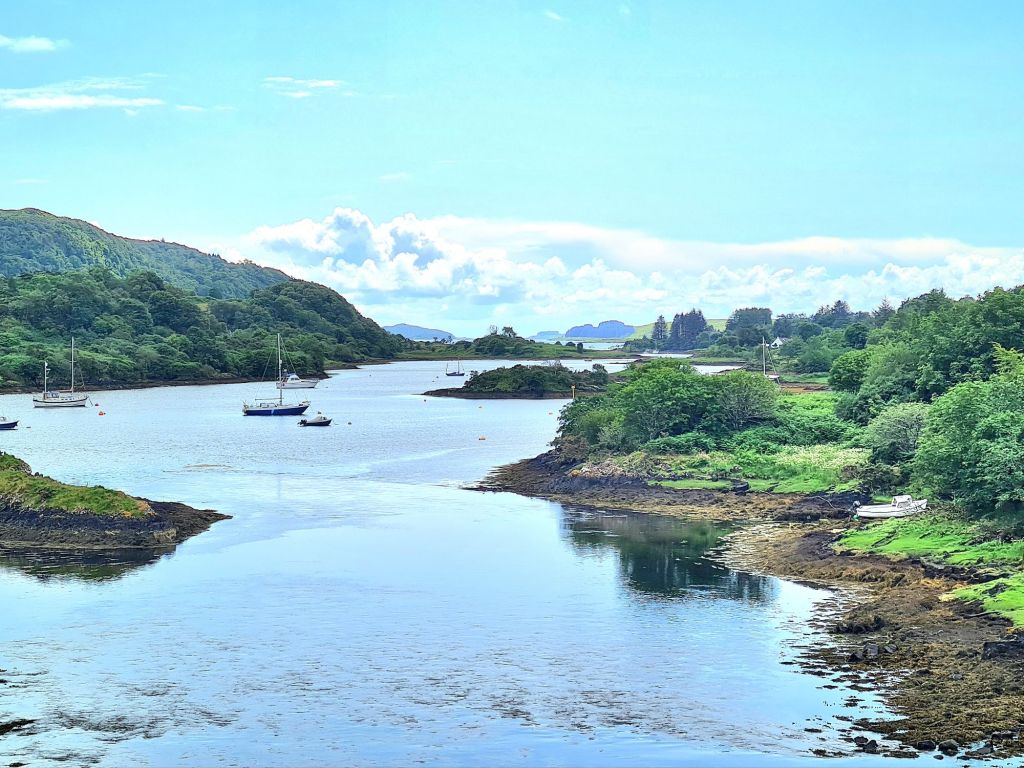
Our last anchorage of the cruise was Puilladobhrain (Pool of the Otter), a delightful, small stretch of shallow water sheltered by reefs and islets.
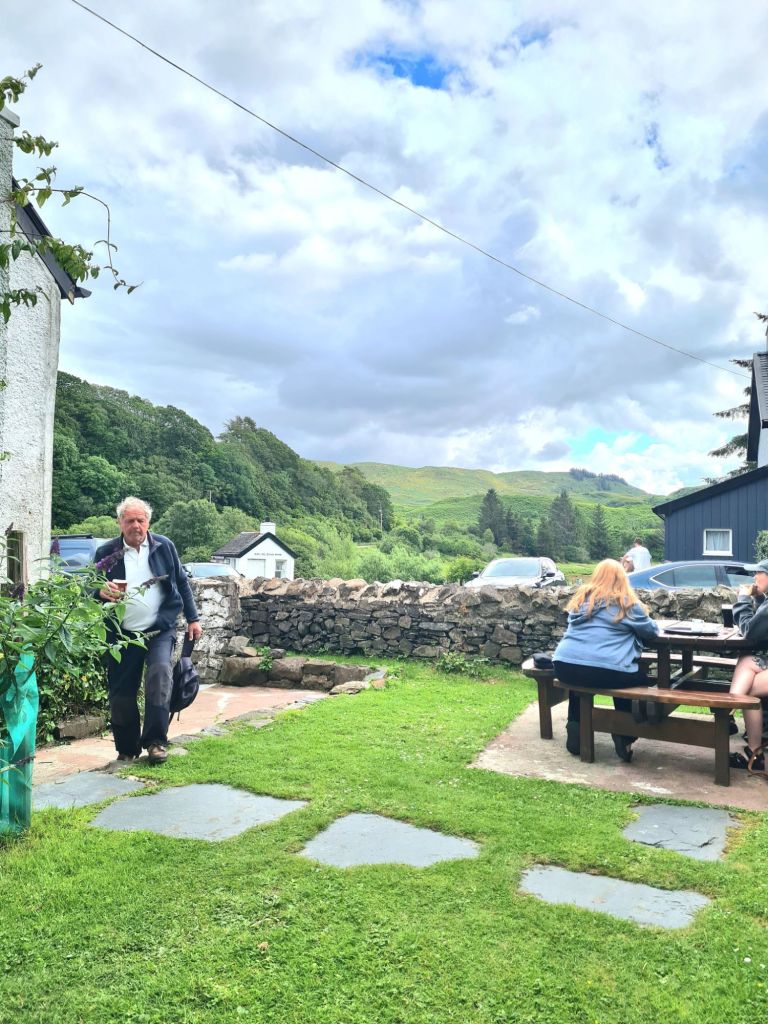
It is also one of the most popular anchorages, not least because of the lovely half mile walk over a low hill to Tigh an Truish, a pub and restaurant next to the Bridge Over the Atlantic, the old stone bridge connecting the island of Seil with the mainland. We found what we thought was the last space to anchor, until 4 more boats brought the total to a dozen.

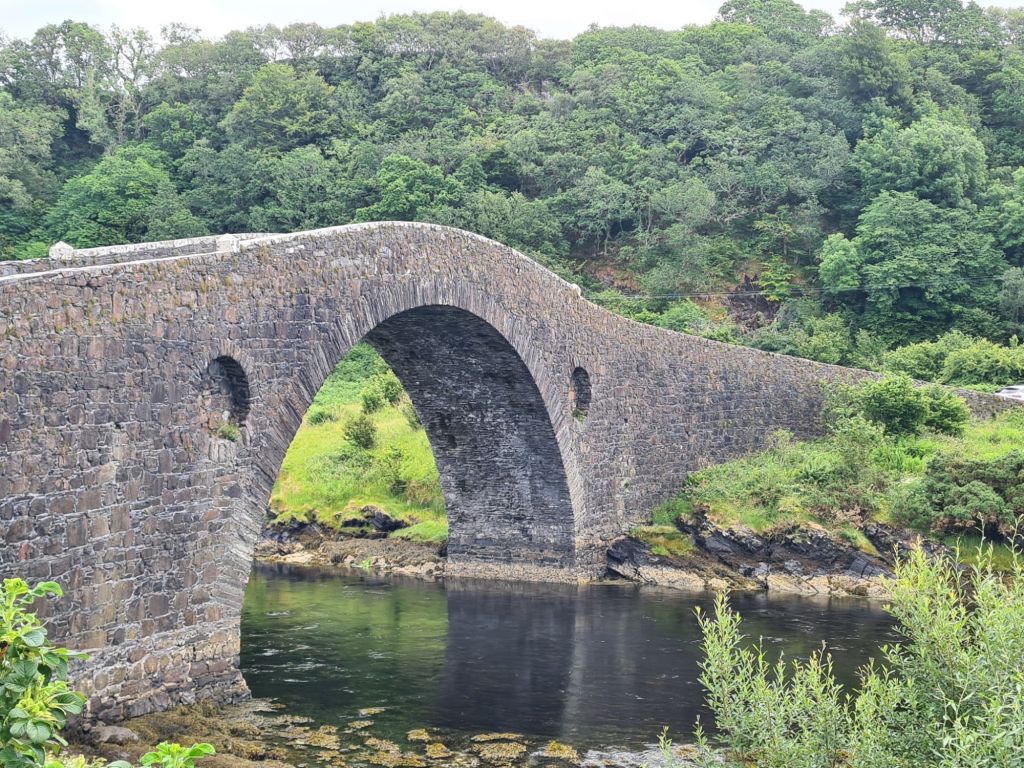
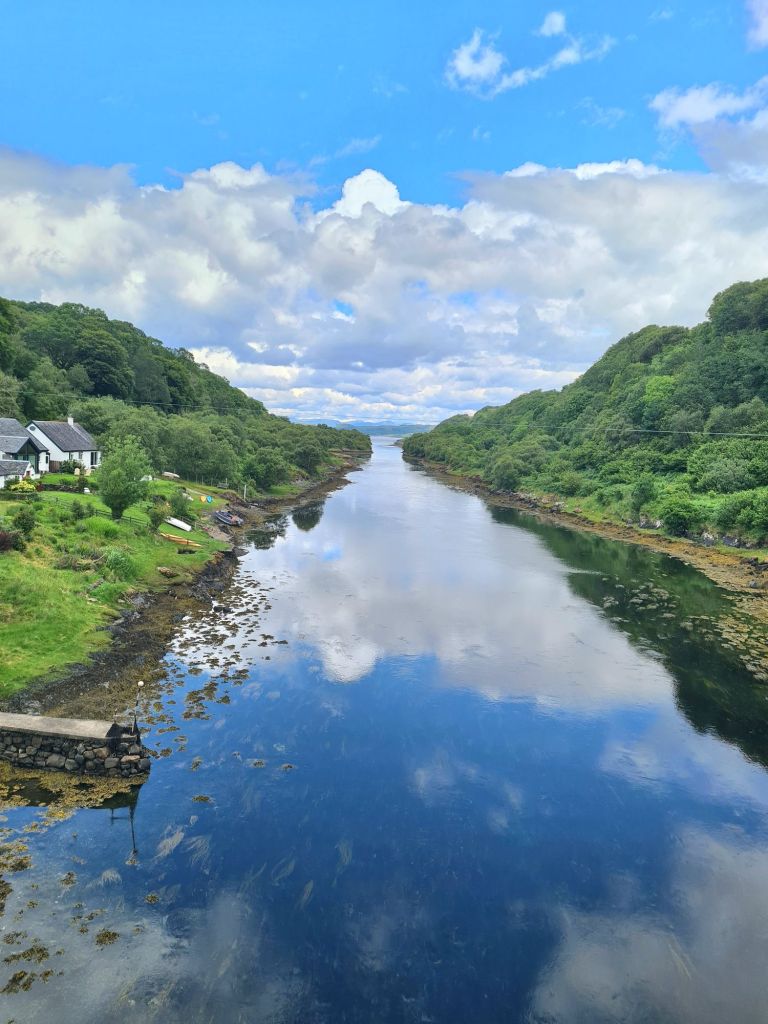
The forecast for the following day and the rest of the week was bad, with Force 6 and 7 mentioned, and gale Force 8 expected for a while. It was also forecast to be very wet.
So after lunch in the pub, we sailed back to our base in Kerrera to pack up ready to go home a couple of days later.
Actually, we haven’t done badly at all in our time here if we look at the bigger picture. Since September, we’ve been on board nearly 40 days, and there have only been about 8 or 9 with bad weather. They have all been in the last fortnight, but that still makes a pretty good overall score for holidaying in Scotland.


 tide by tide