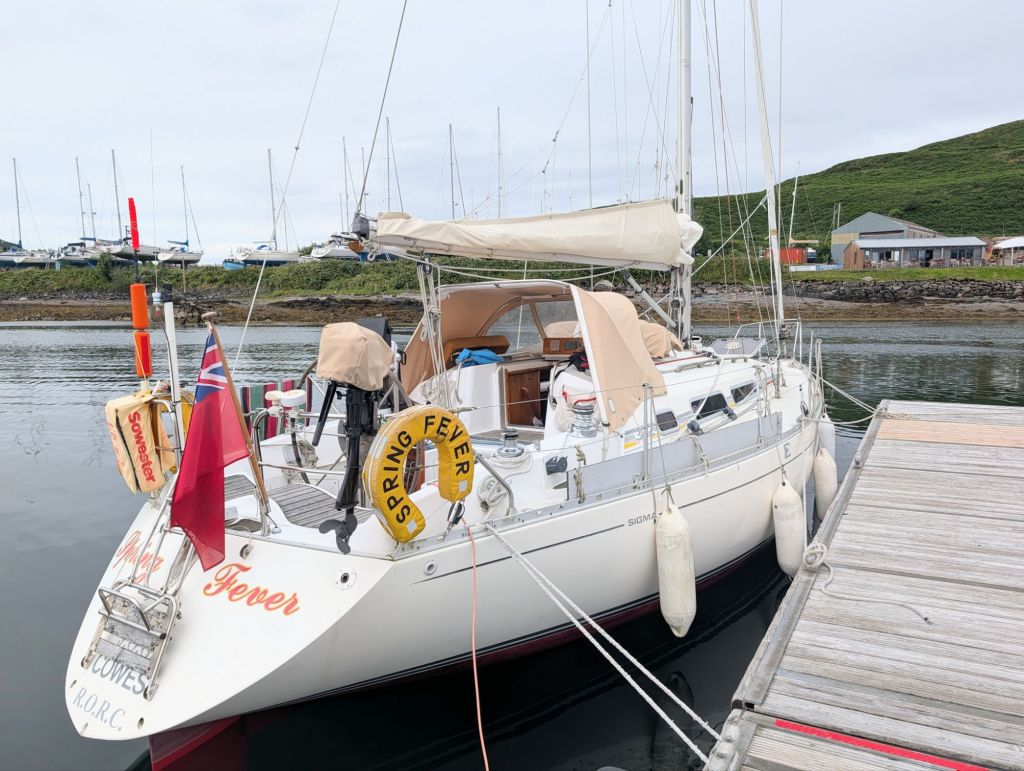
After three seasons and two winters based in Kerrera, we said goodbye to our highland base and headed south, the start of a 700 mile cruise home. First objective was Rathlin Island, off the coast of Northern Ireland, to visit the famous seabird reserve.
The marina on Kerrera couldn’t have been friendlier, and Gill, the co-owner, gave us both a hug as we said goodbye. With its own 10 minute ferry to Oban’s shops and railway station, and a good restaurant and bar in the marina, Kerrera is an excellent place to keep a boat in the Highlands. There are also some lovely walks round the island.
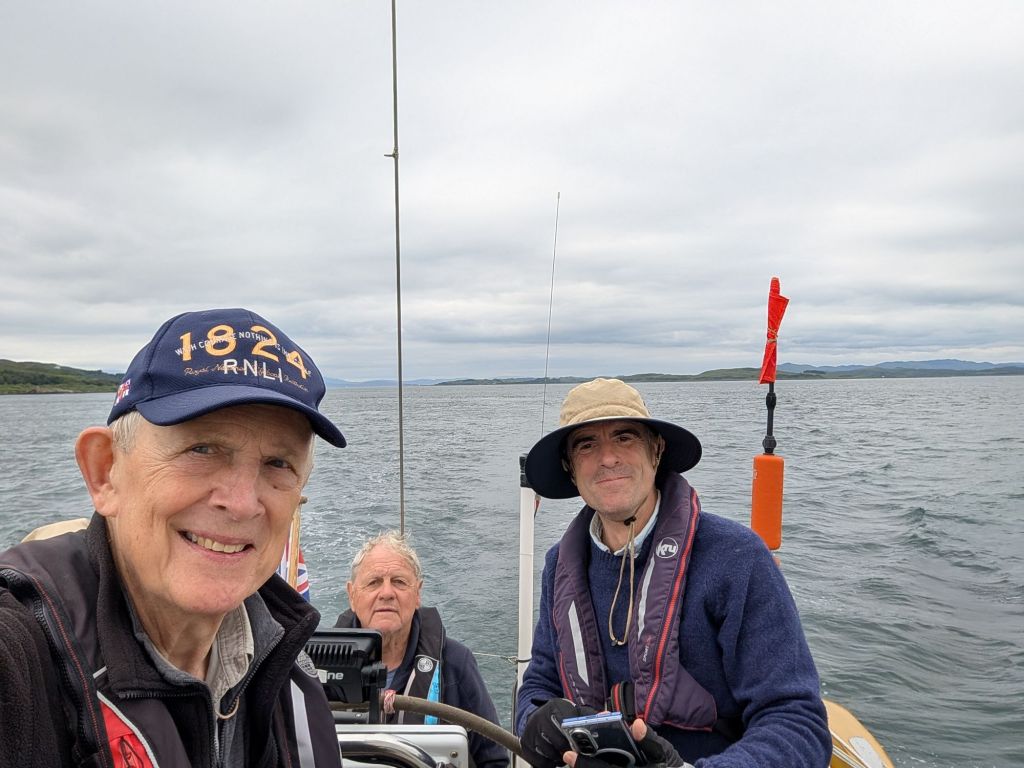
On a still, sunny afternoon, Tony, David and I motored south between the island and the mainland, caught the fast south-going tide swirling through the narrow Sound of Luing past the island of Seil, then cut across the entrance to the notorious Corryvrechan tide race and whirlpools, so we could motor close inshore down the coast of Jura.
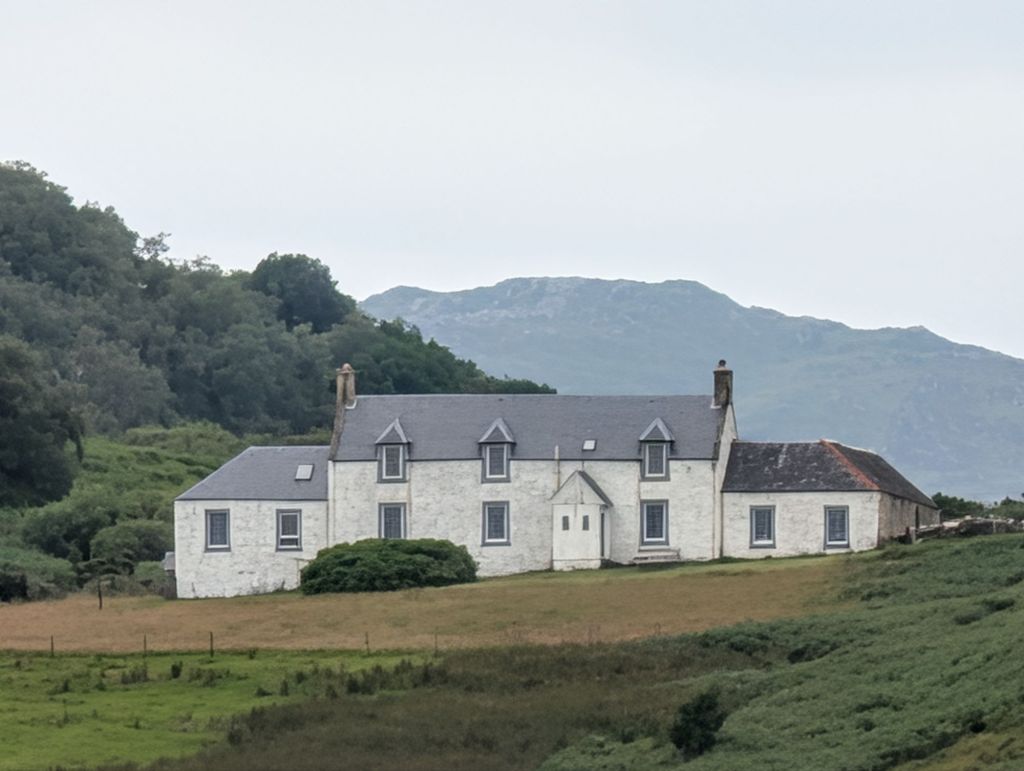
We were looking for, and saw, the house where George Orwell wrote 1984, when he lived for a while at the north end of Jura, near Corryvrechan. He almost drowned there when he ventured out in a rowing boat.
We decided to rest for the night at the island of Gigha, close to the Mull of Kintyre. It has a surprisingly mild climate and attractive gardens, which we visited last year, but all we needed this time was somewhere to sleep overnight
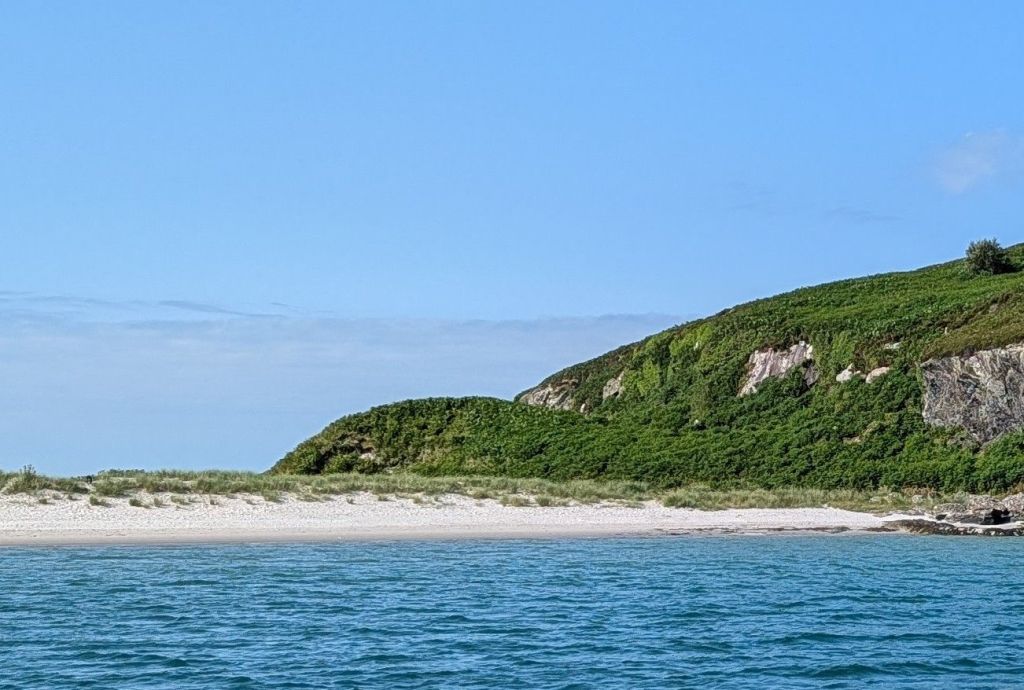
The wind veered east as we arrived, leaving the visitor buoys at the main anchorage exposed. Using our large scale Antares charts, we found Dorlinne Bay on the north-west of Gigha, a shallow sandy anchorage with protection from the north-east through east to south-west winds.
It is divided from an even more sheltered bay to the south by a sandspit, but we could see the masts of a crowd of boats there, whereas Dorlinne was empty, and we had it to ourselves, apart from campers by the beach.
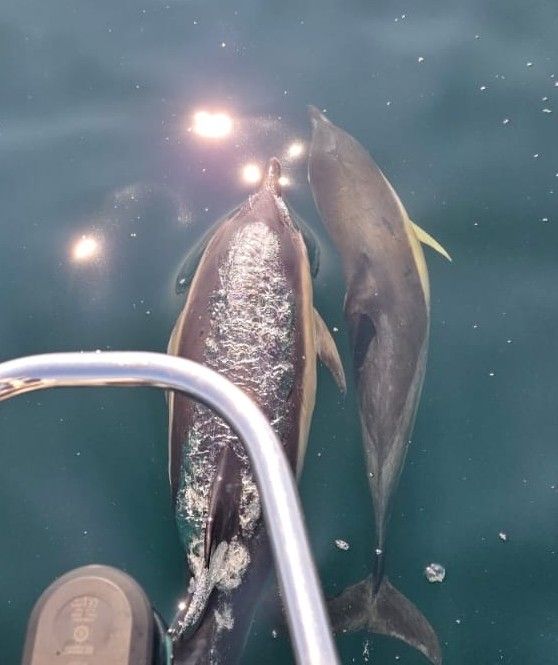
From Gigha, we motored on another still, calm day across the North Channel which separates Ireland from Scotland. We had the most spectacular display of dolphins we have ever encountered, with many dozens accompanying us for a while.
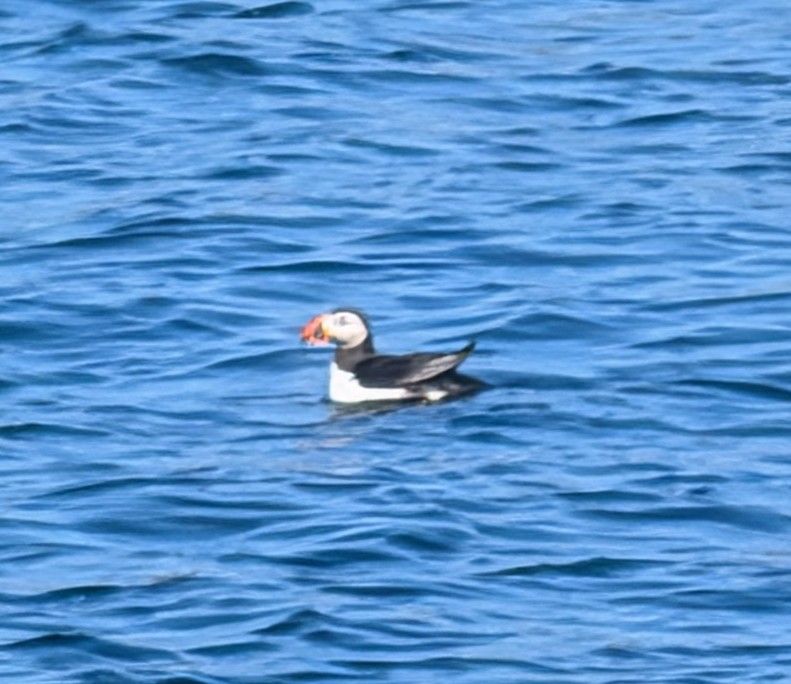
There were seabirds hunting in large groups and, as we neared Rathlin, we saw puffins swimming and flying.
Rathlin is shaped like a boomerang, and tucked into the inside angle is Church Bay, which has a marina. We phoned the harbourmaster who gave instructions on where to berth.
On the approach to the harbour is the underwater wreck of a British cruiser, HMS Drake, torpedoed in 1917 by a German U-boat. The captain headed the damaged ship for Rathlin, planning to beach it, but they did not quite make it. Years later, a fishing boat hit the wreck, and sank on top. Both are marked now by a cardinal buoy.
The village has a friendly pub with bar food, but we preferred the Manor House Hotel for dinner. It has a good and reasonably priced restaurant.
The big draw of Rathlin is the spectacular RSPB seabird reserve on the cliffs at the west of the island, best visited from May to July to see hundreds of thousands of guillemots, razorbills, puffins, kittiwakes and fulmars feeding their chicks. Buses from Church Bay charge £6 for a round trip to the sanctuary, 4.5 miles away. It’s walkable as well, on a road with very little traffic.
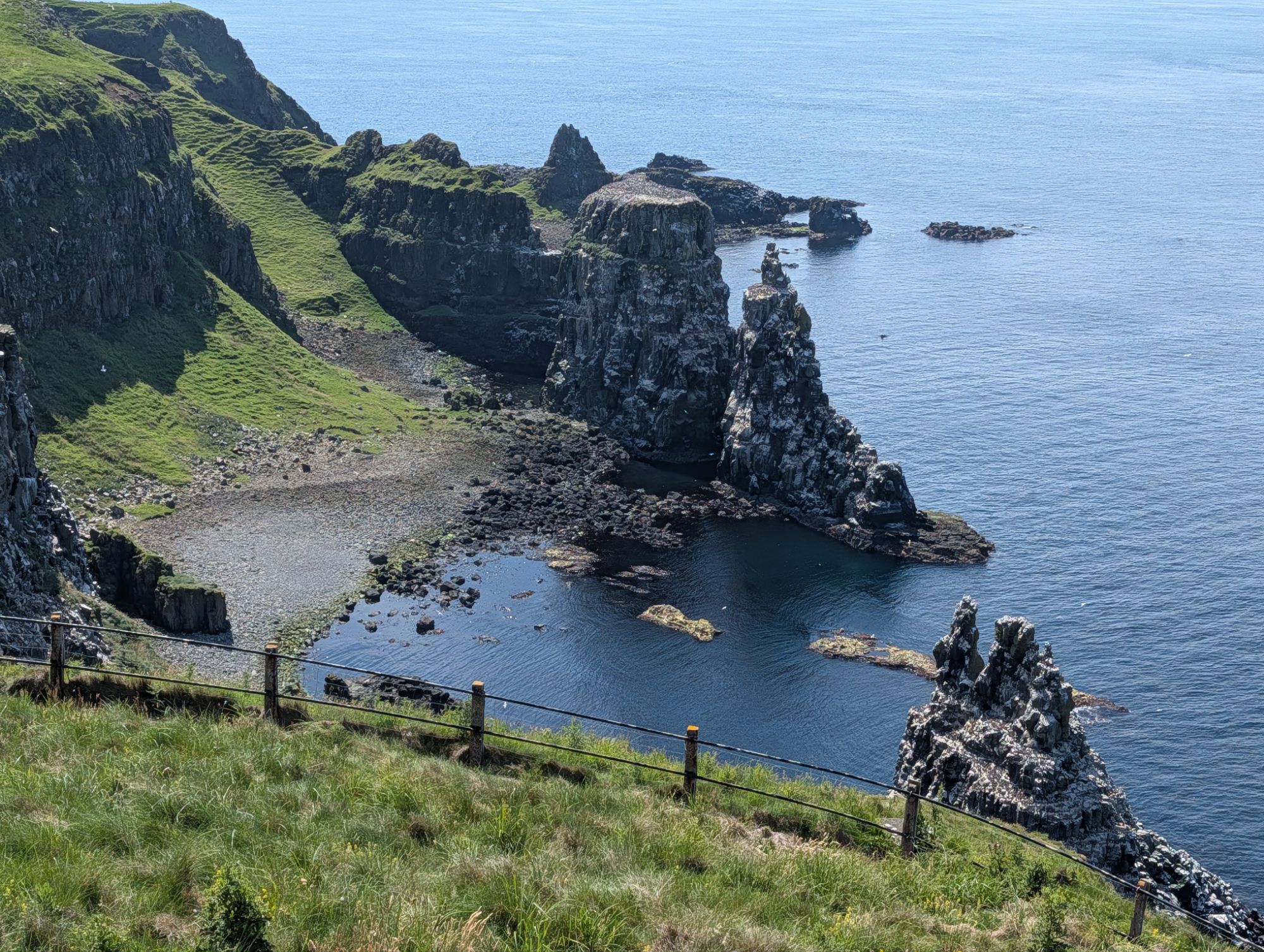
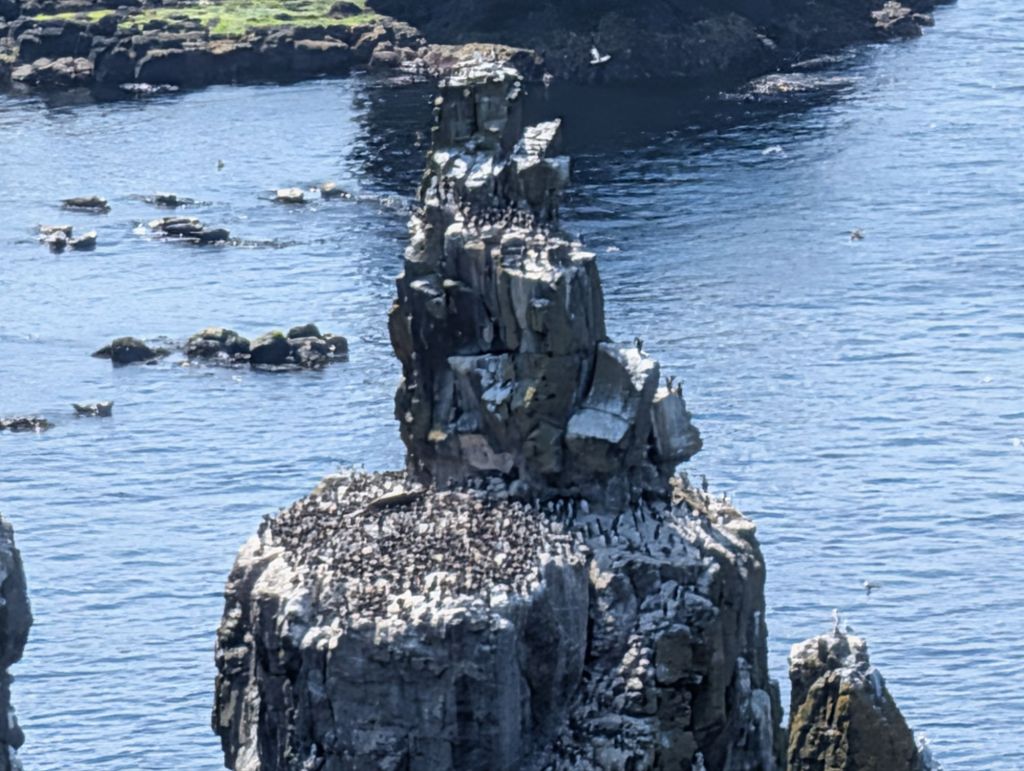
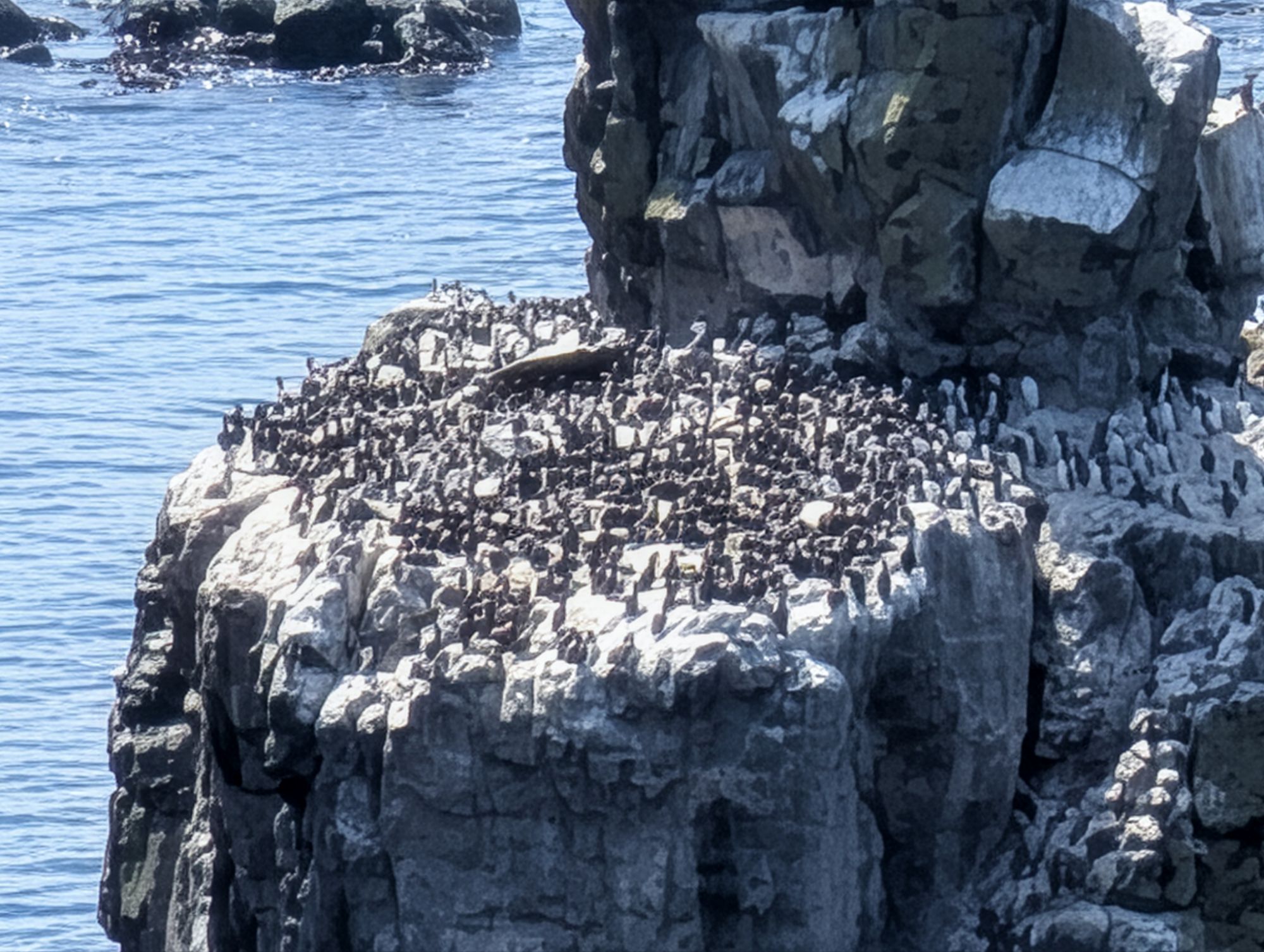
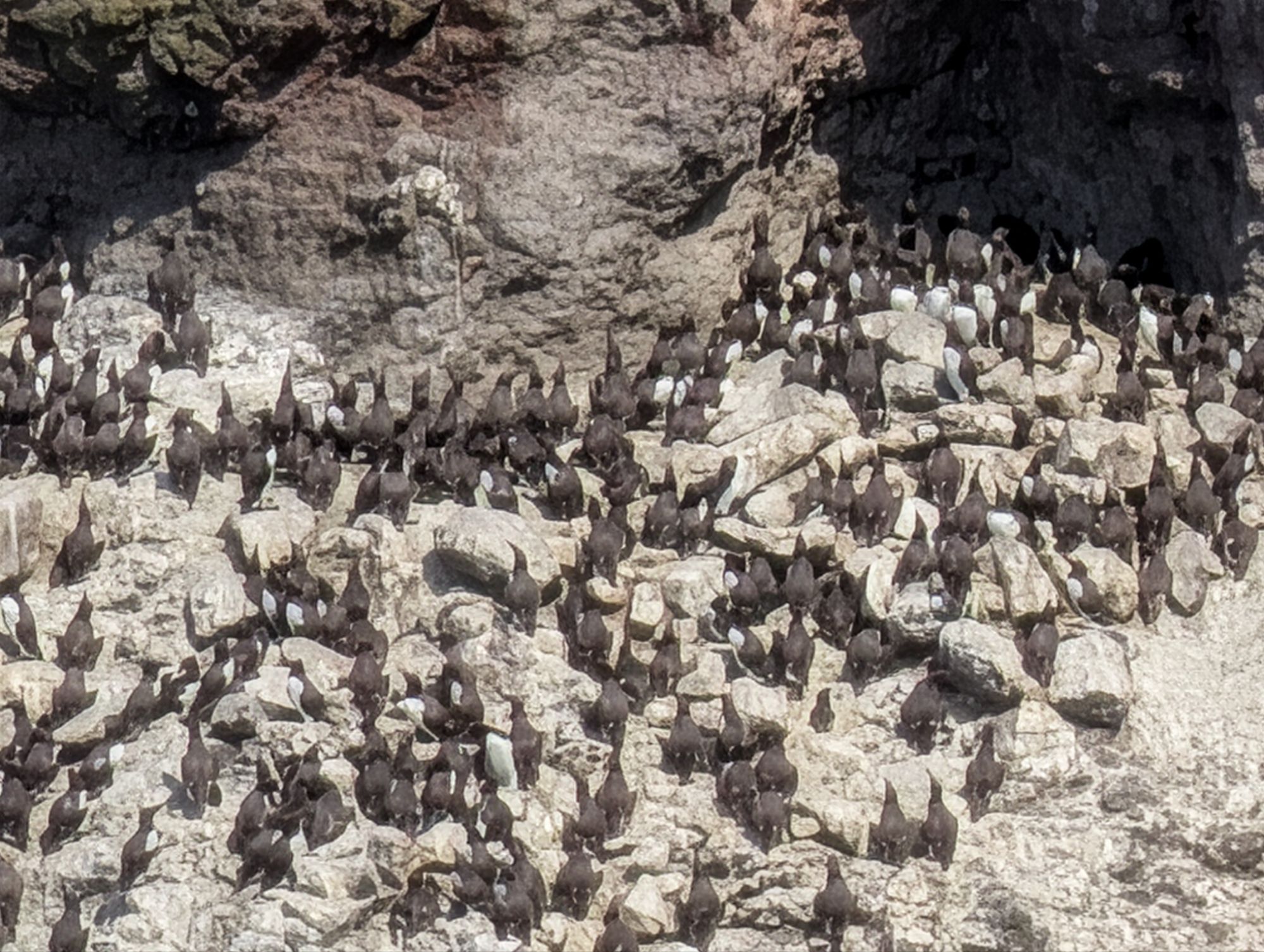
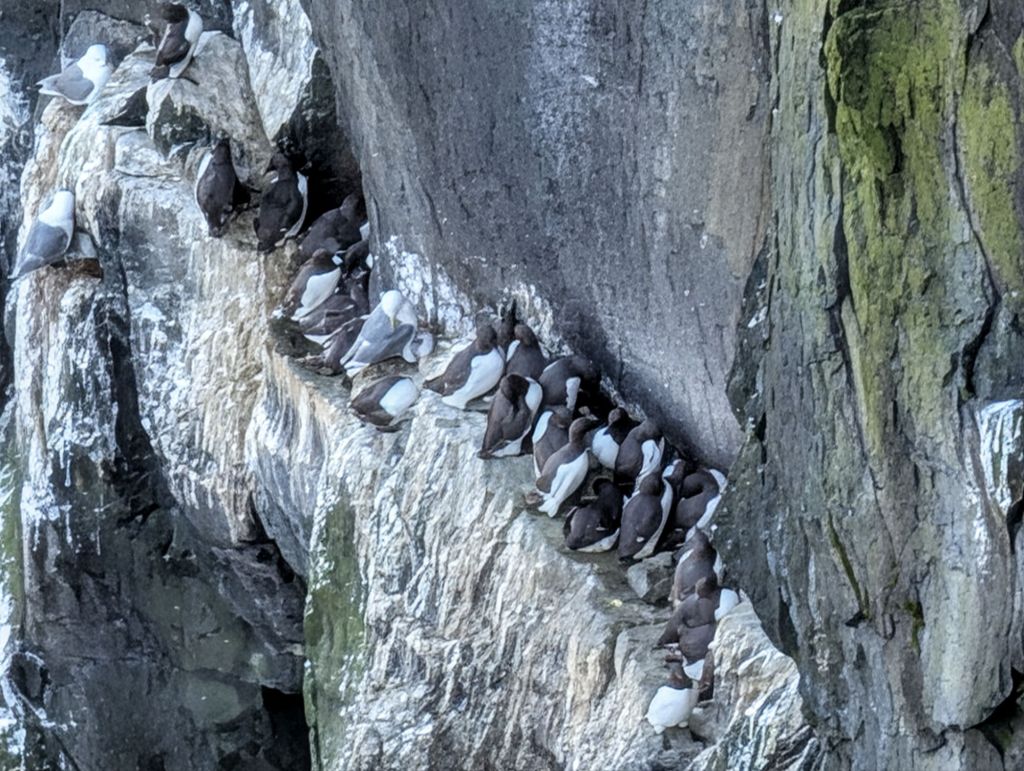
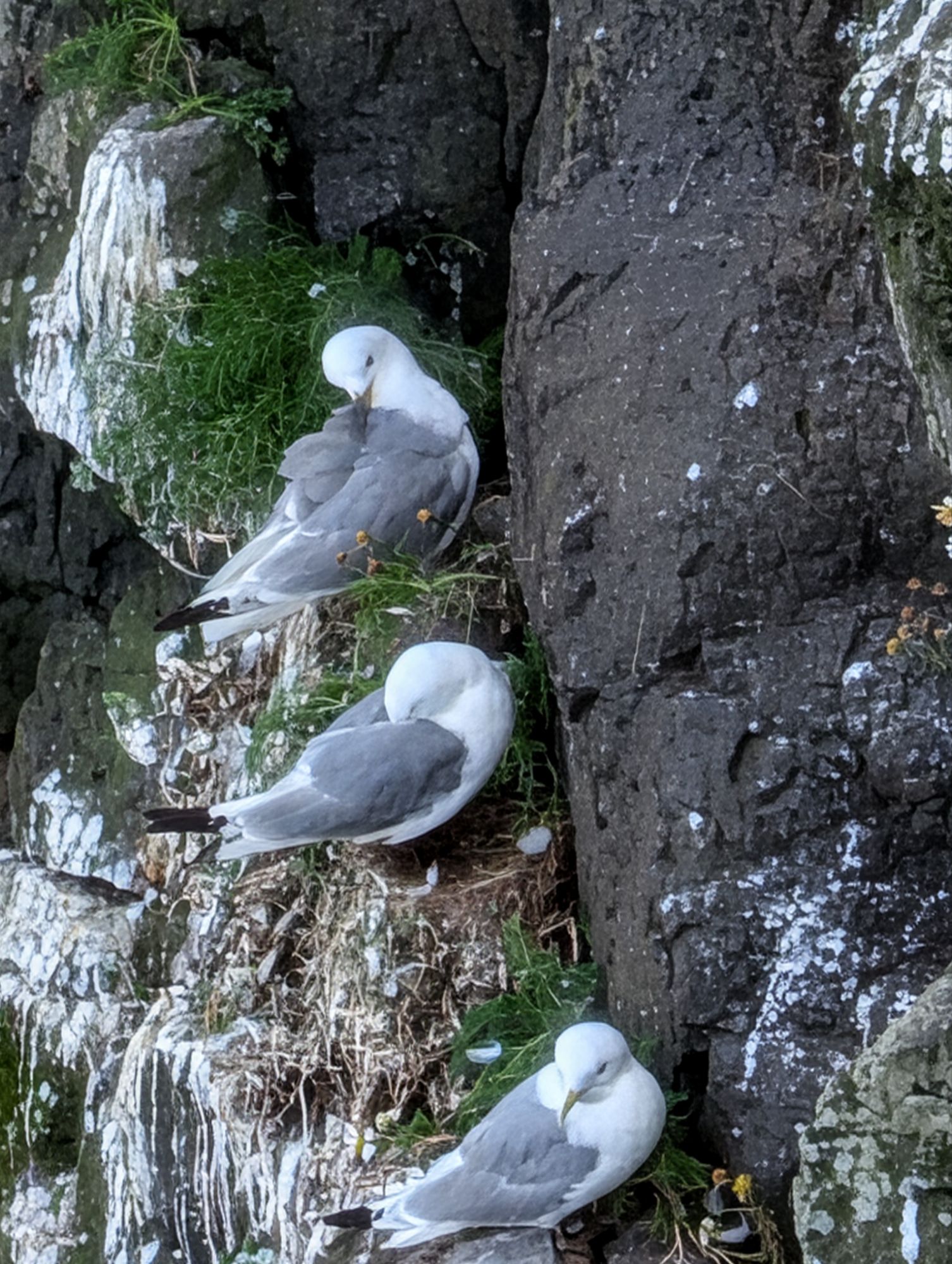
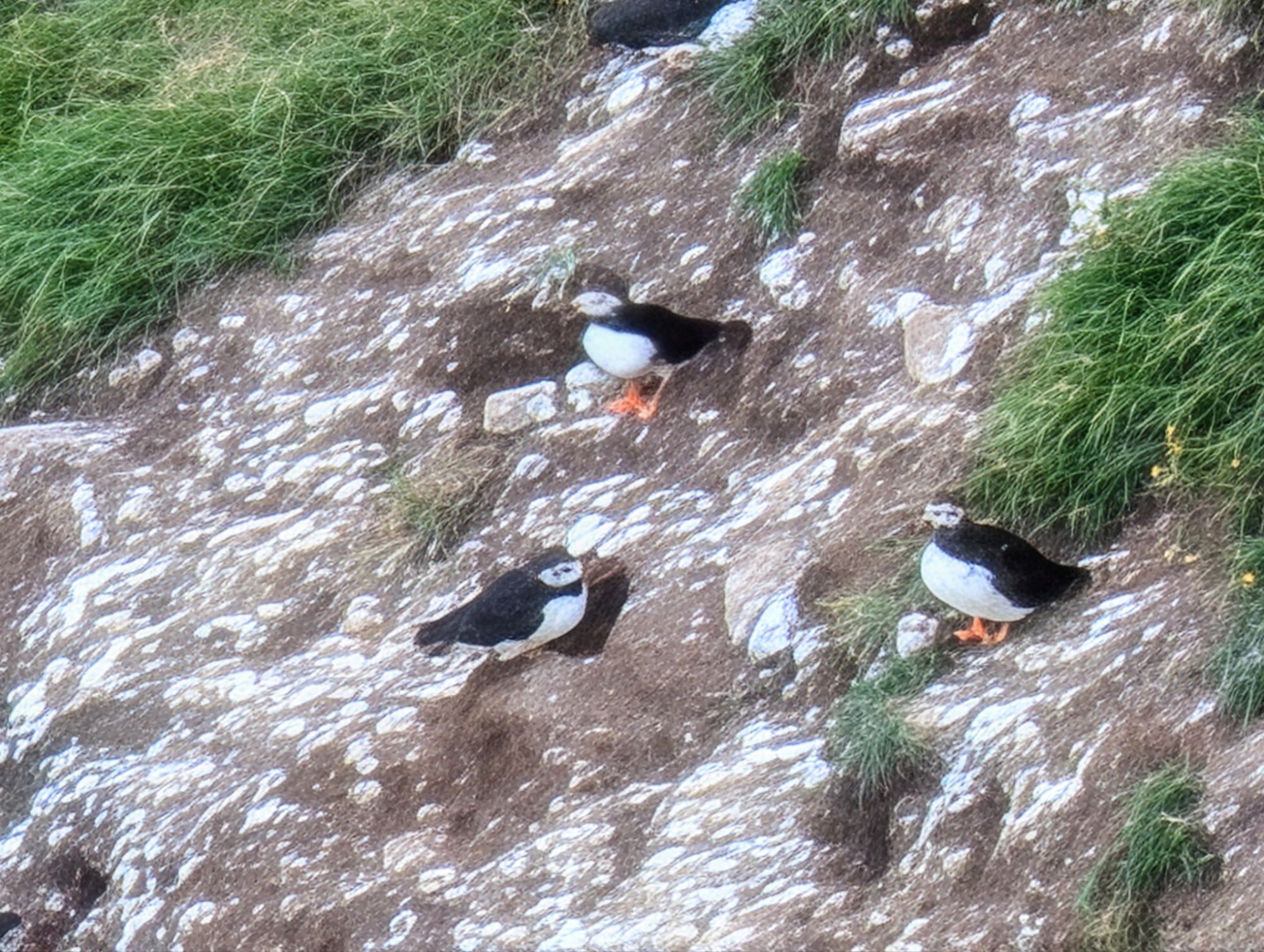
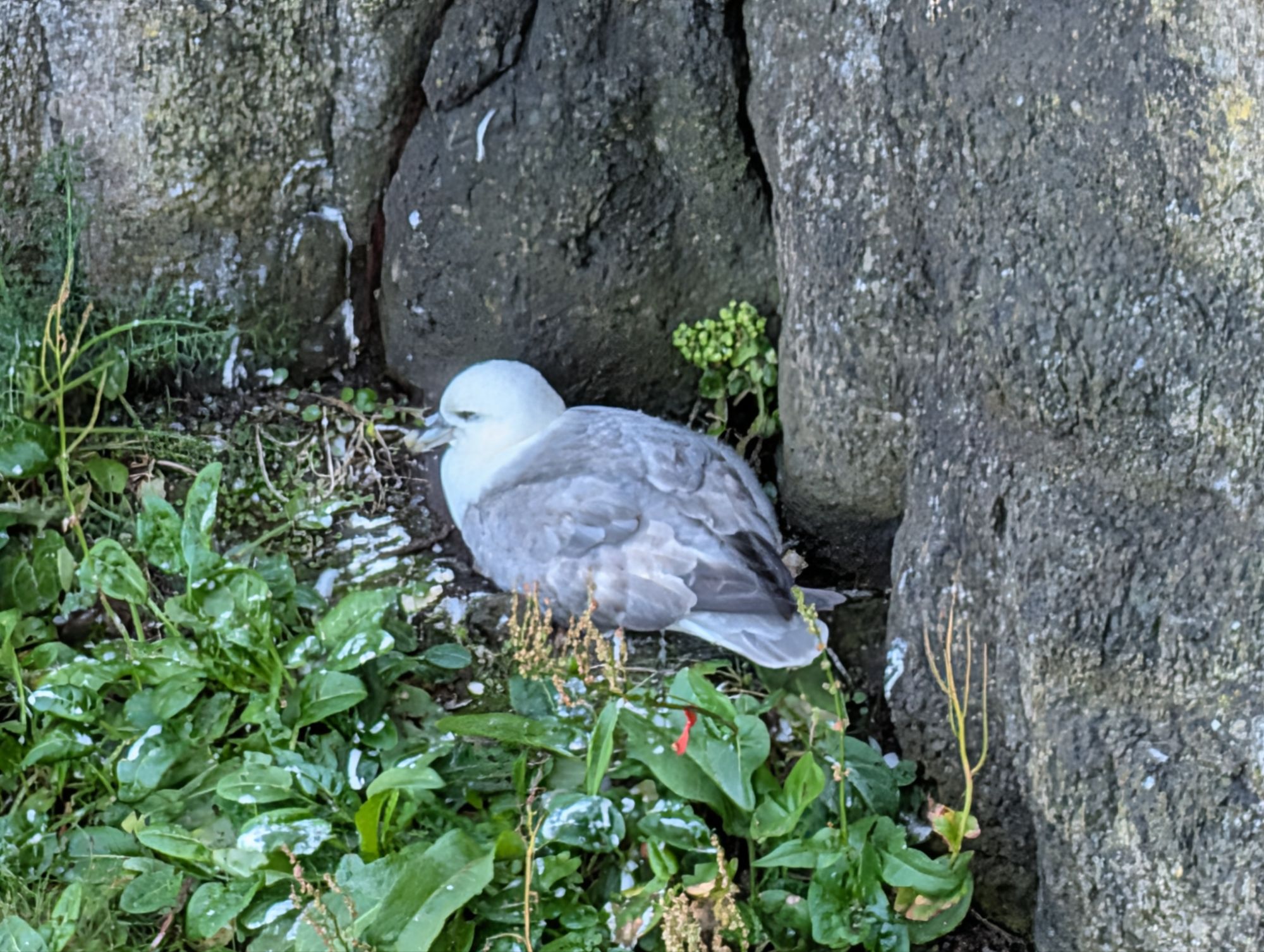
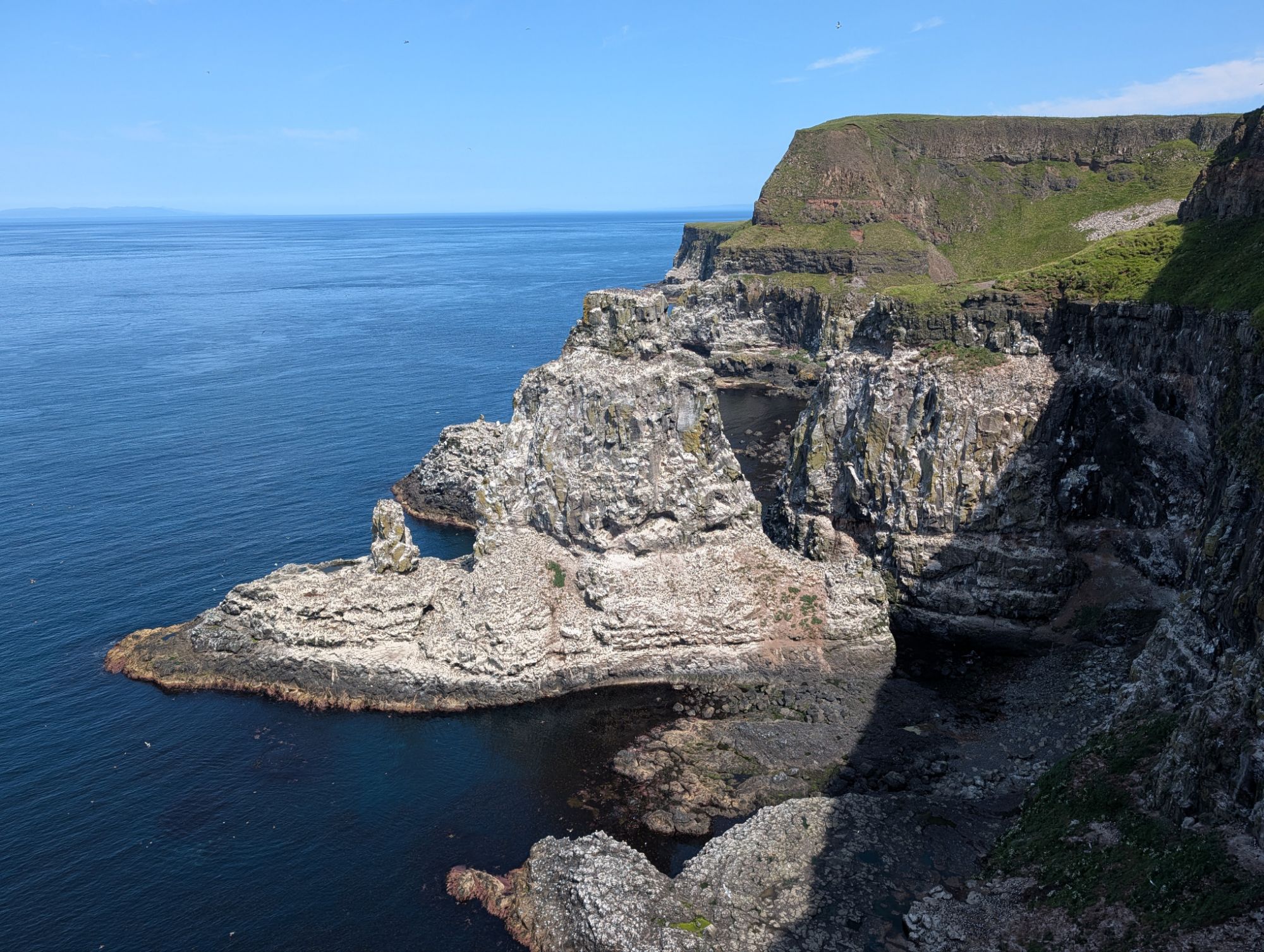
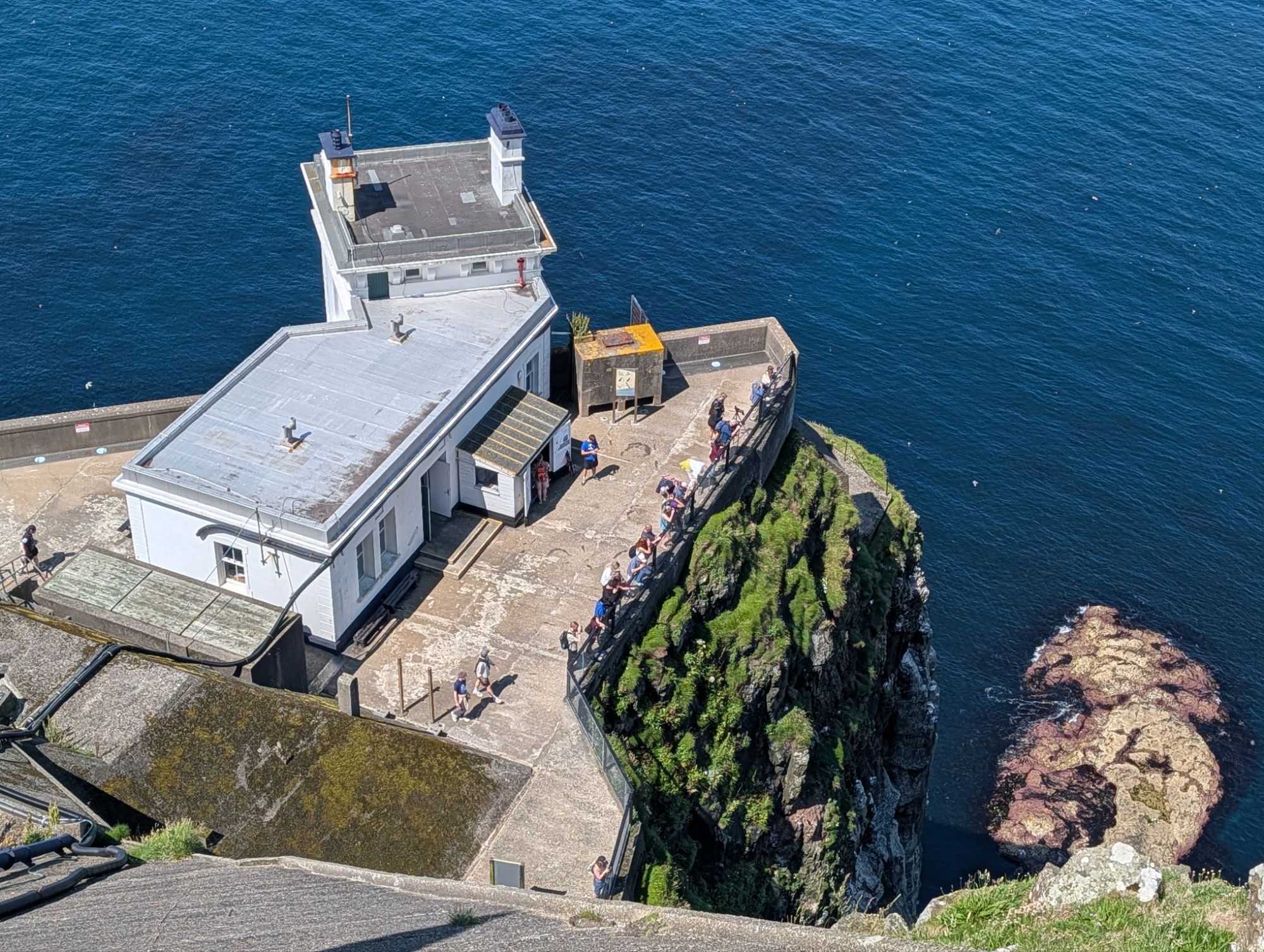
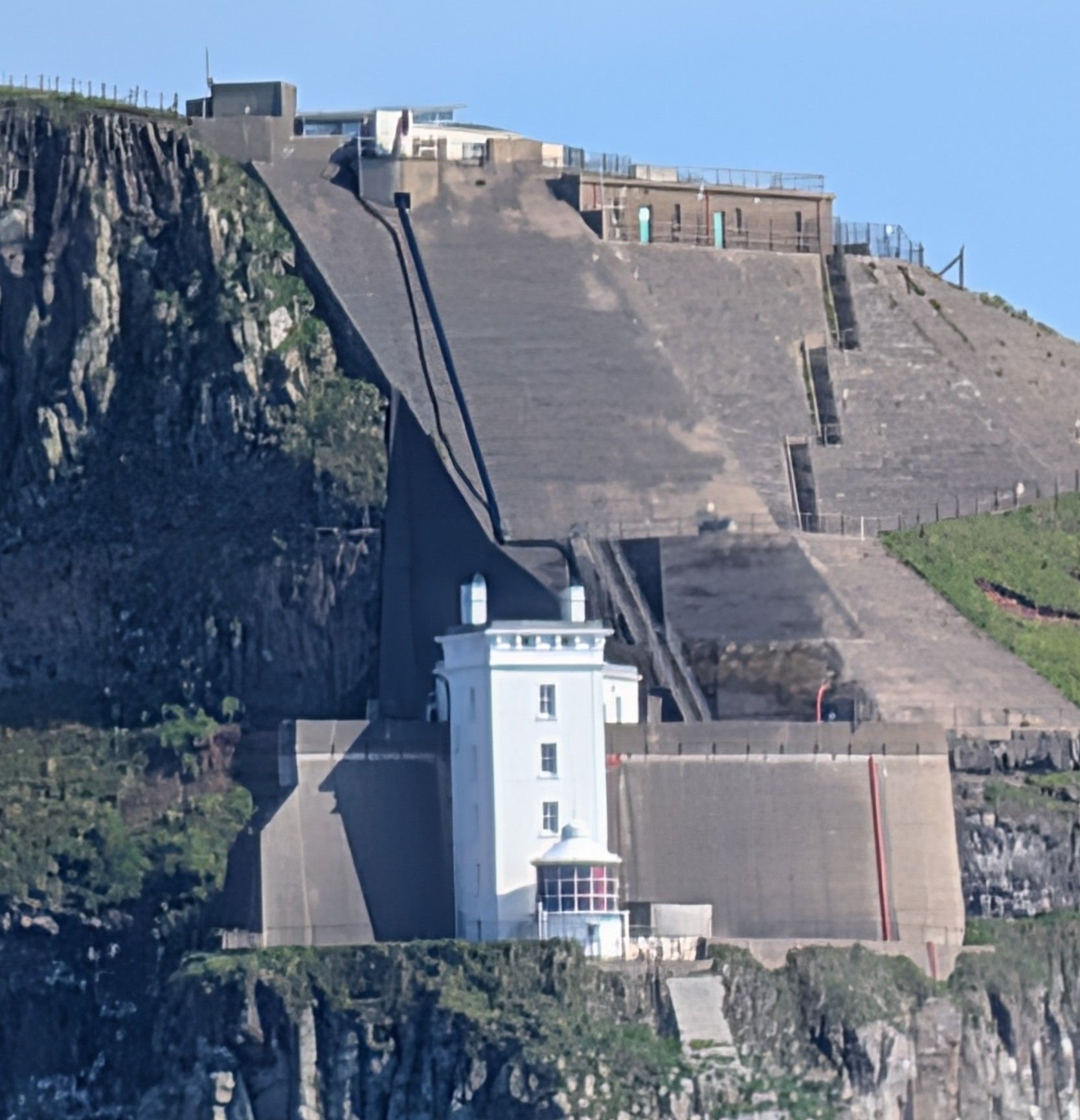
Seen earlier from the sea. The mass of concrete stabilises the cliff. It’s a stiff walk up and down.
 tide by tide