We left Arklow in the early afternoon with blue skies, calm water and a light breeze from the north, sauntering out to sea with sails and engine together giving us a good speed.
We yet again saw reminders everywhere of one of the most annoying hazards on much of our coasts, which is badly-marked crab and oyster pot buoys.
In daytime they may be visible, but at night they are a constant worry, lurking as traps ready to wrap round a propeller or snag a rudder, and disable not just yachts but also small commercial craft, not least other fishing boats. We try to avoid approaching coasts at night.
In daylight with a strong tide, especially near headlands, many marker buoys are dragged under so you can’t see them till they pass almost under the boat.
There’s a new reporting web link, part of an English lobby to copy Scotland in legislating to enforce proper marking, but we saw hundreds of badly marked pots on our cruises, far too many to log.
Ireland was one of the worst offenders, not only failing to mark pots properly but not even using brightly-coloured buoys.
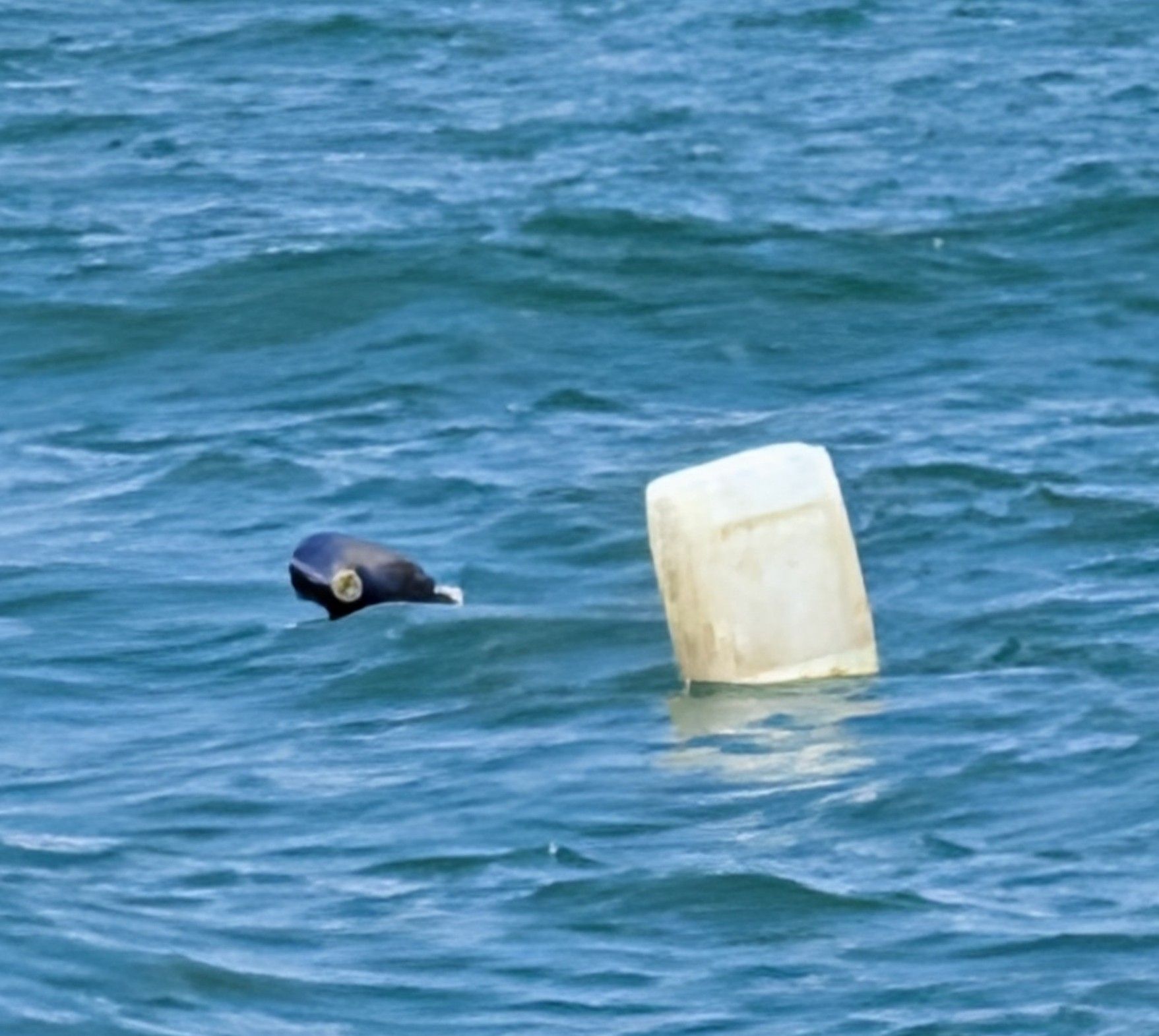
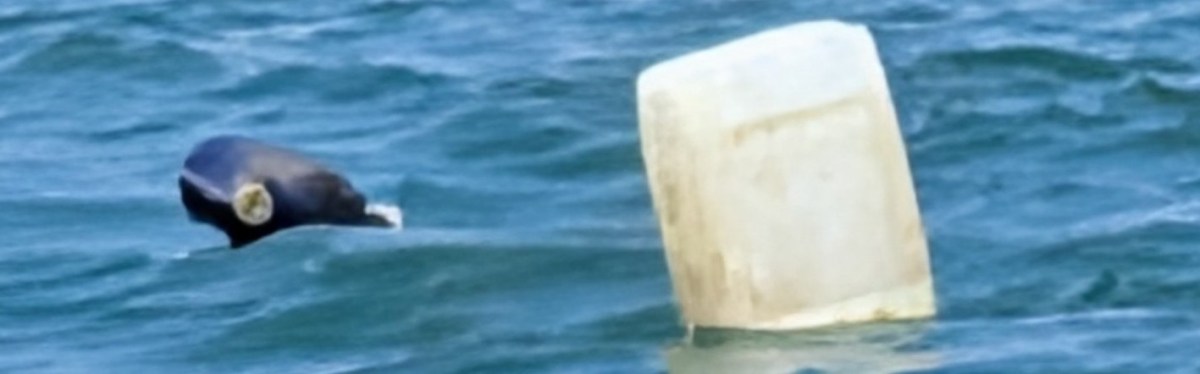
We saw several large commercial crabbers entirely loaded with pot markers made from old plastic cans, like the one above on the Wicklow coast.
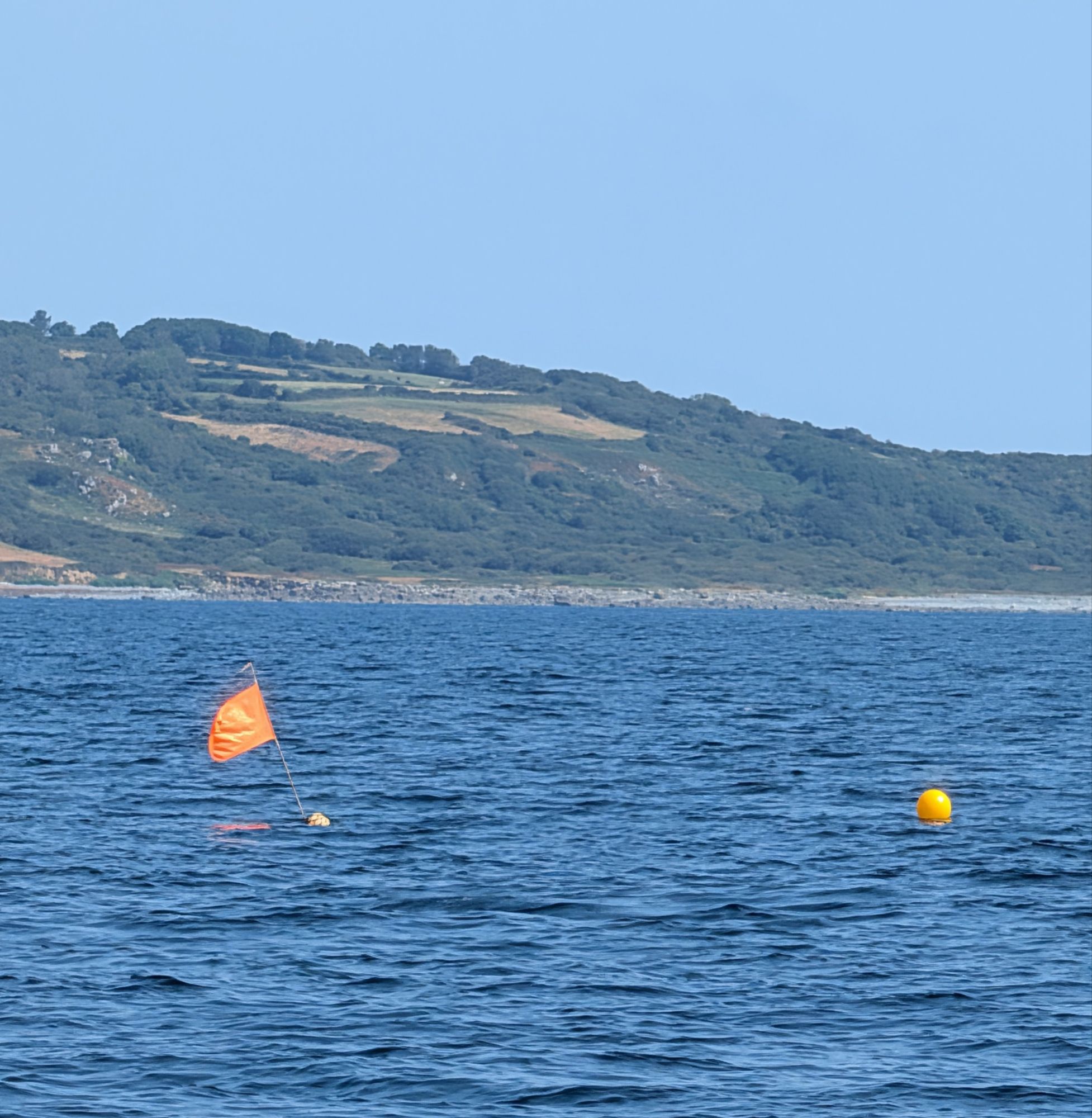
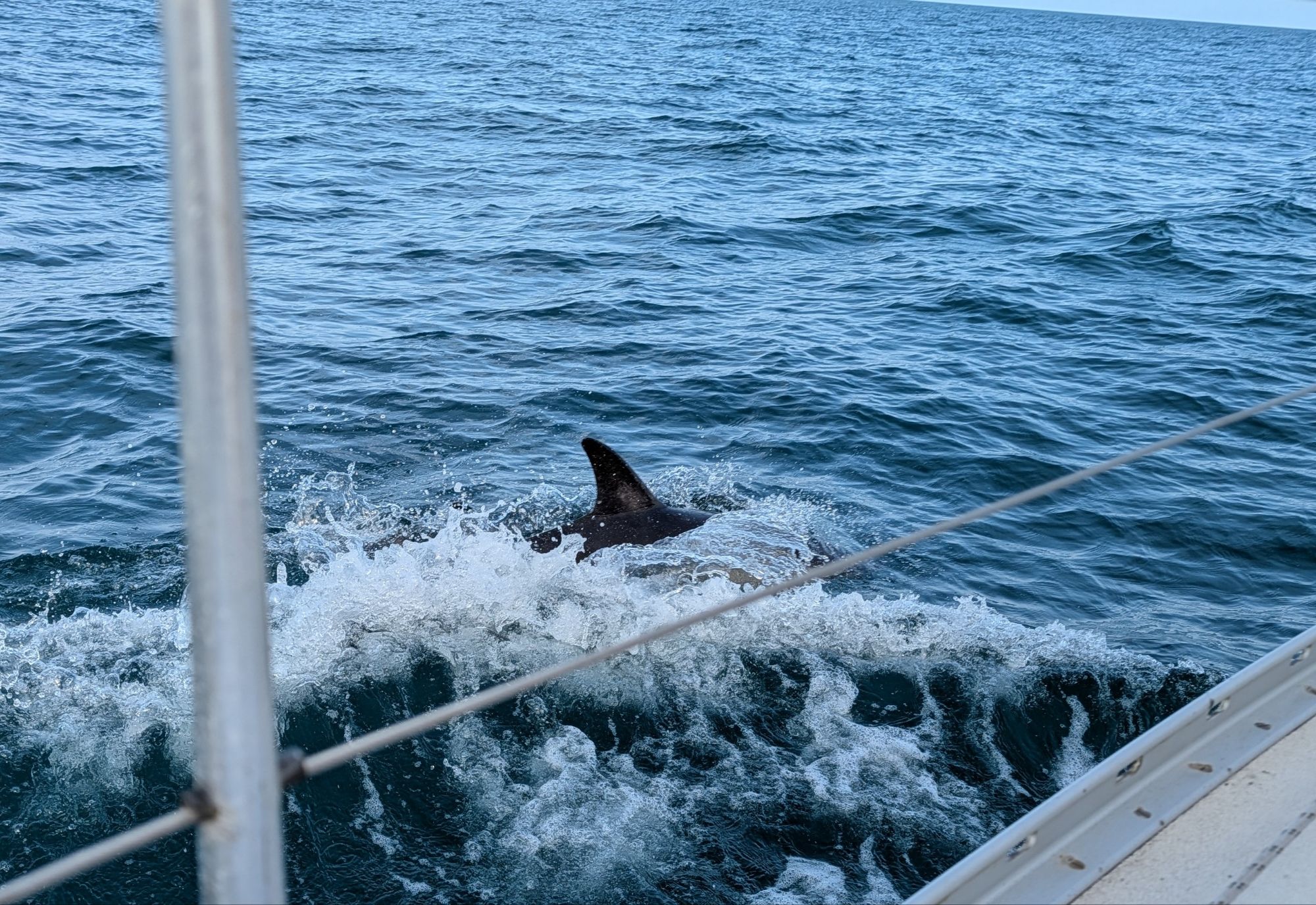
Well away from the coast, we could spend much less effort on watching for pots and focus on the wildlife, with dolphins regularly near, as they have been since Oban.
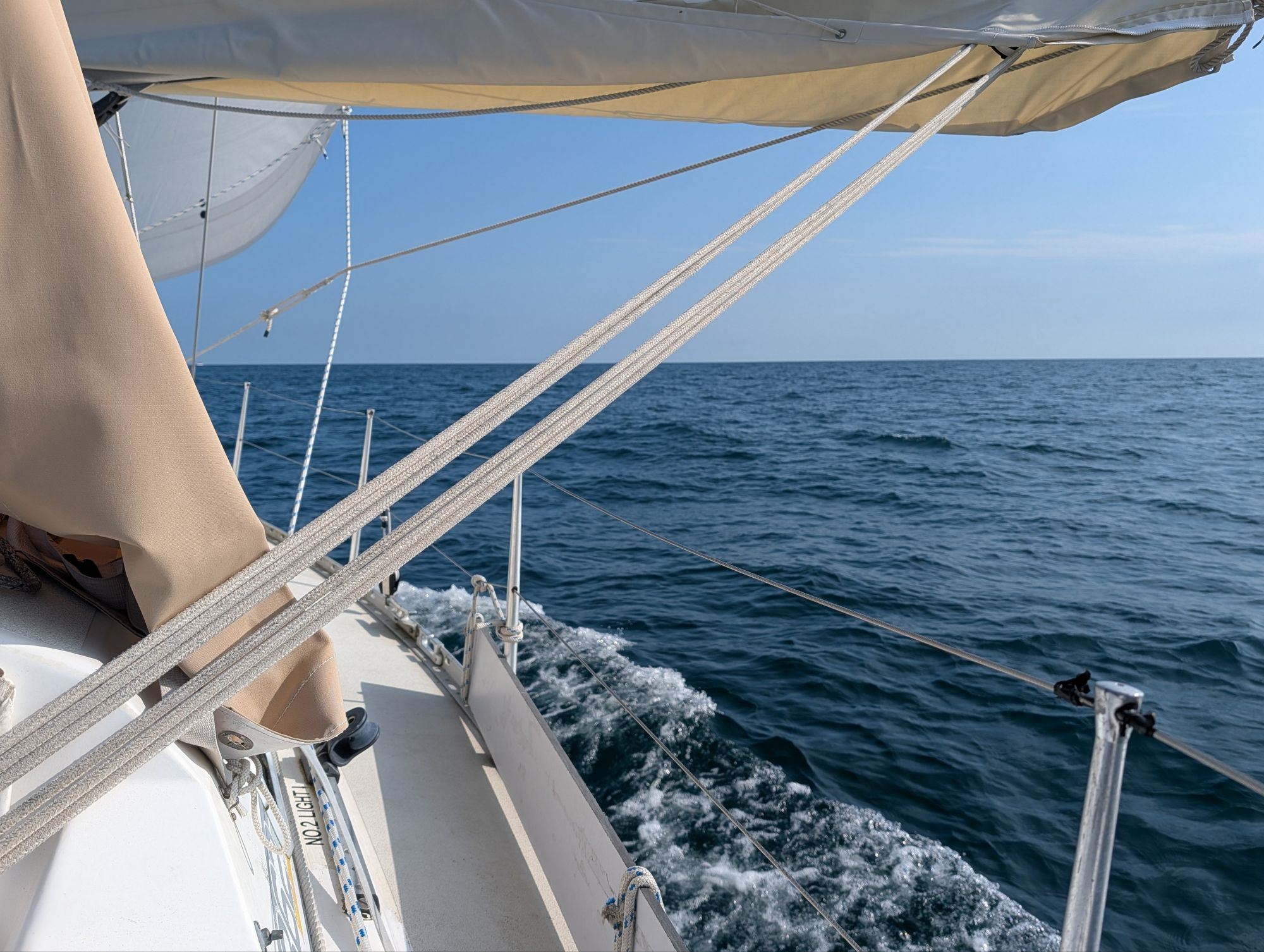
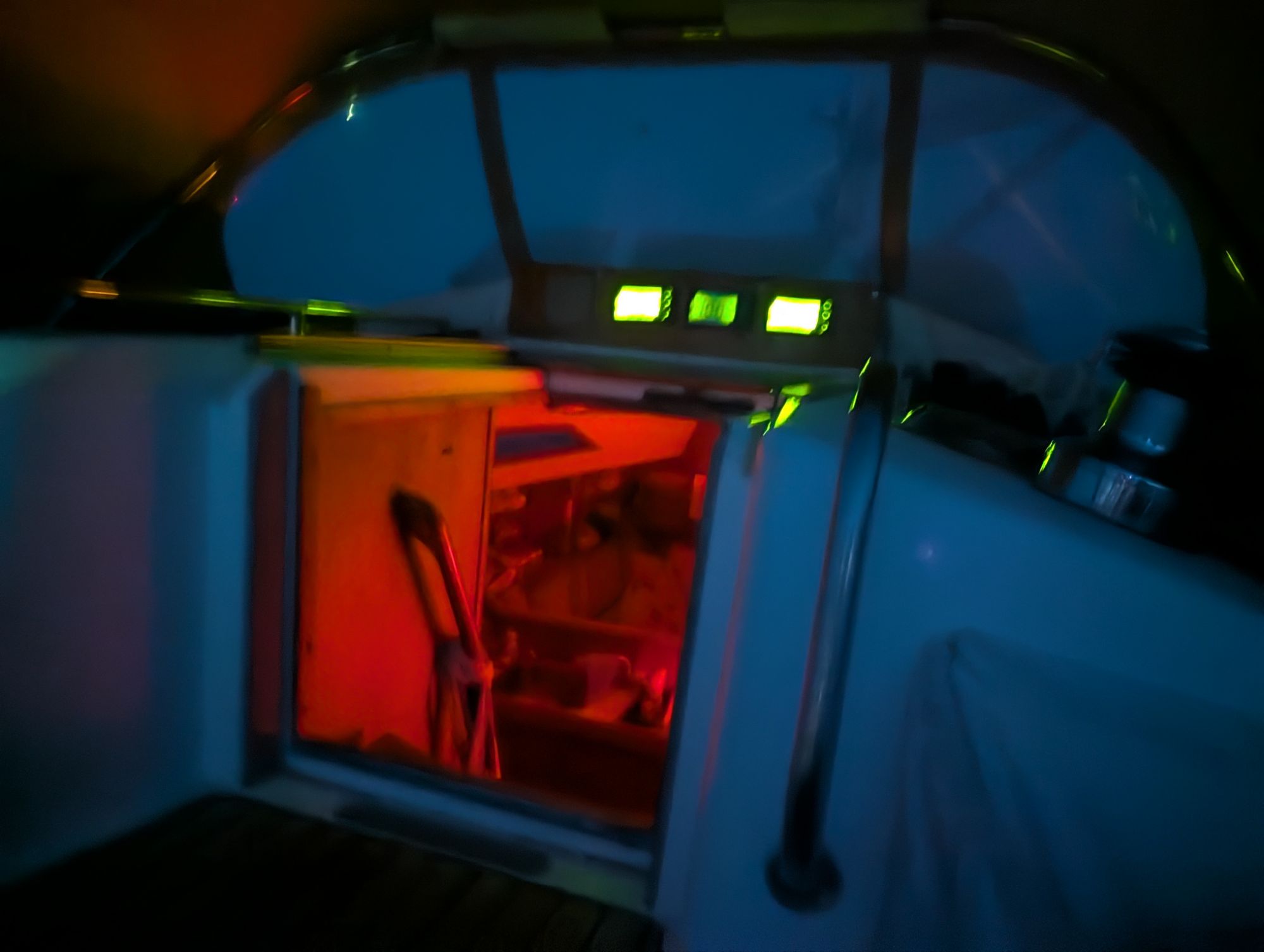
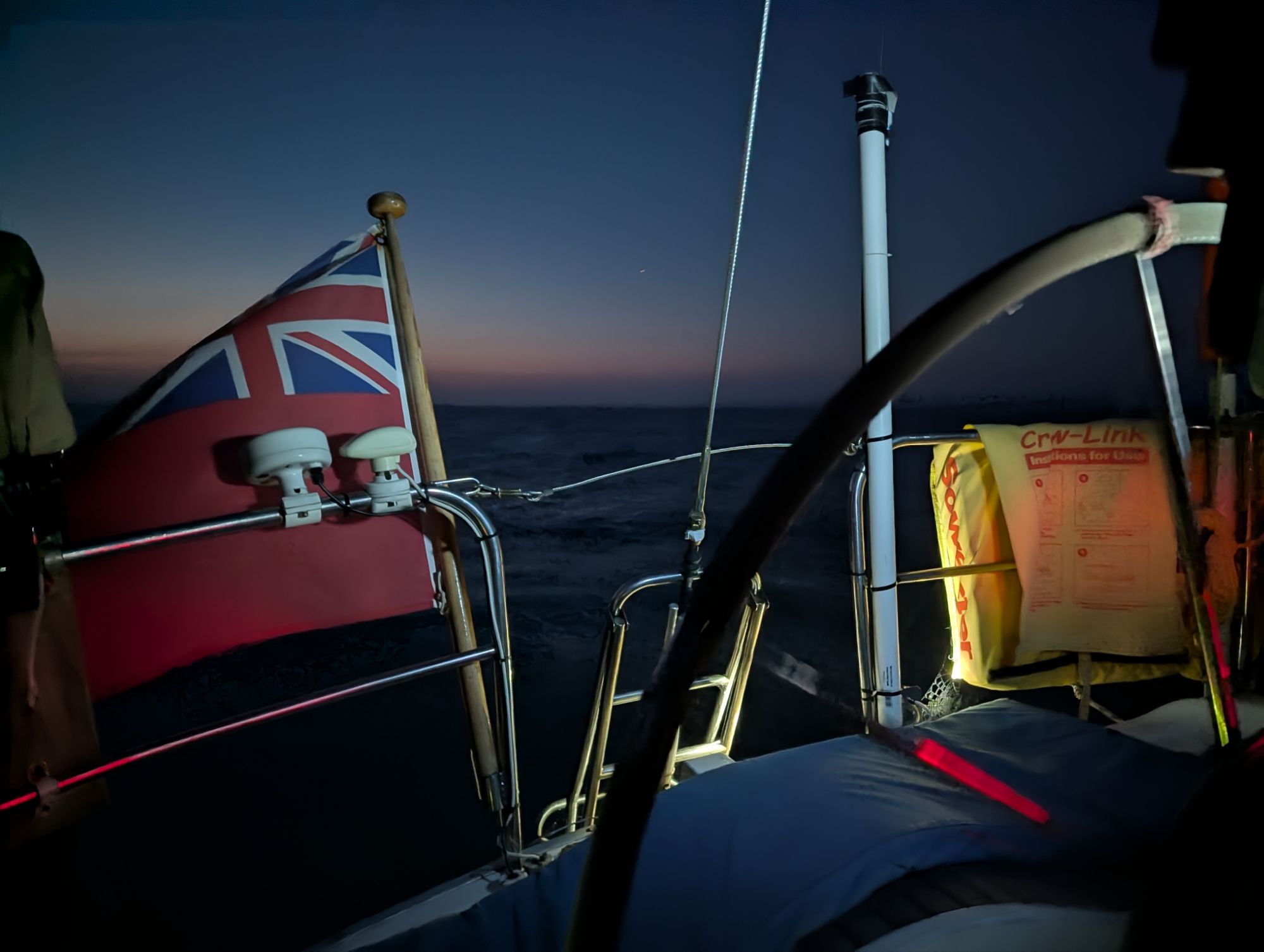
After midnight, well before we approached St David’s Head on the south-west tip of Wales, we saw the wind speed indicator ticking gradually upwards. Knowing from a previous passage how the St David’s headland can focus the wind, we put two reefs in the mainsail and furled the genoa, just in time for the wind to shoot up to 25 knots and send Spring Fever surfing down the rapidly growing waves at 8 knots and more.
After 65 miles at sea, it was a hard three hours work at the wheel keeping her on course for the last 15 miles as we approached St David’s and then steered between Skomer and Skokkholm islands as dawn appeared.
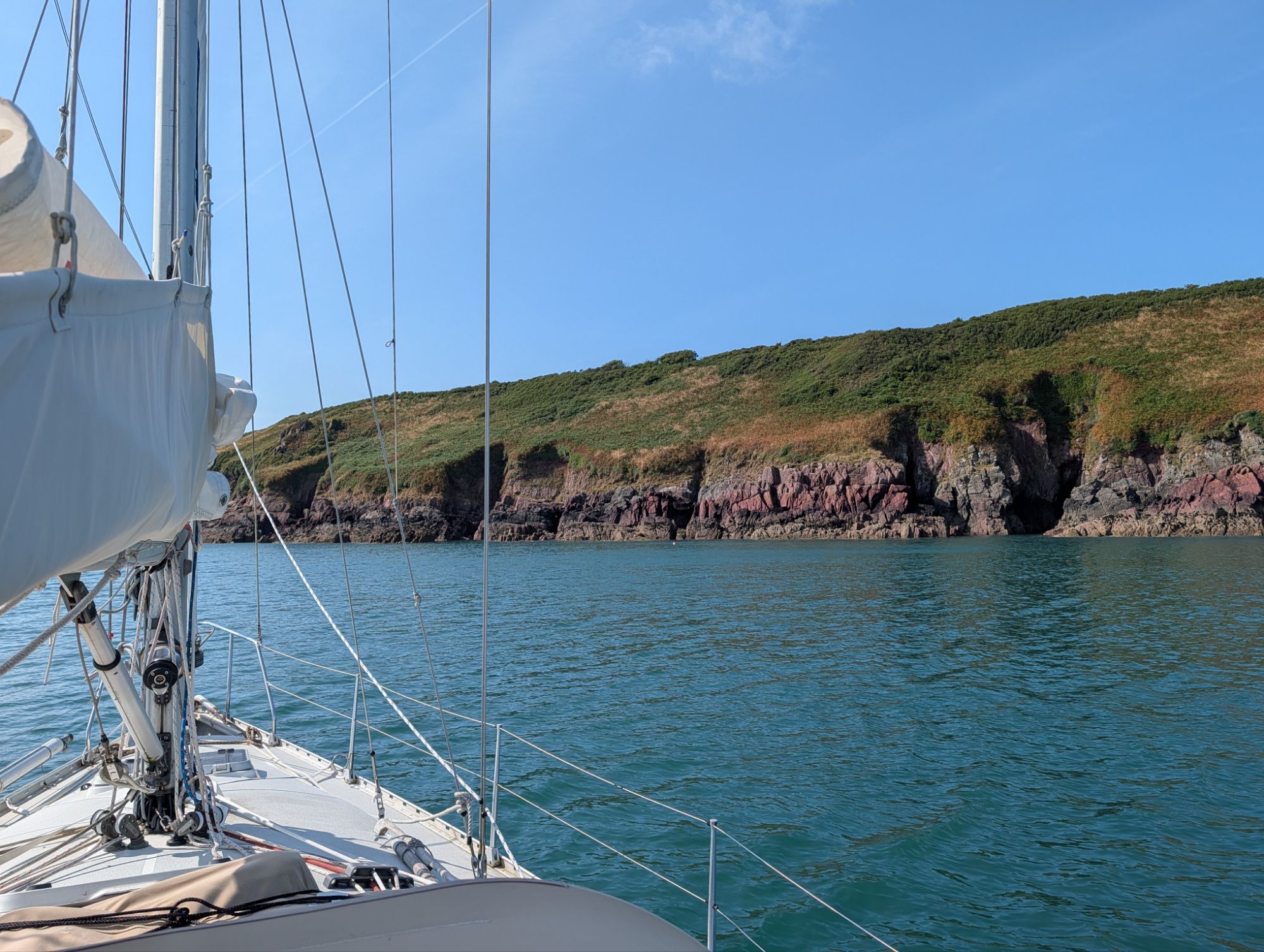
When we rounded up into the Milford Haven entrance, it was suddenly peaceful. We motored in the early morning sun into Dale Bay, where we anchored for a rest, before a second rather longer overnight passage round Lands End.
 tide by tide