A triumph for Nuovo Trionfo

I’m glad to see a famous old Adriatic trading boat, a trabaccolo, is securely afloat again on its mooring by the Dogana, the old customs house at the entrance to the Grand Canal in Venice.

In 2016 Classic Boat commissioned me to write a piece about the rescue of the Nuovo Trionfo, built in 1926 and one of very few trabaccoli that have survived. I spent several enjoyable days talking to people involved in fund-raising and repairs, inspected the boat, which had had a major restoration in 2012, and even sat in on a discussion with the deputy mayor of Venice about fund raising.
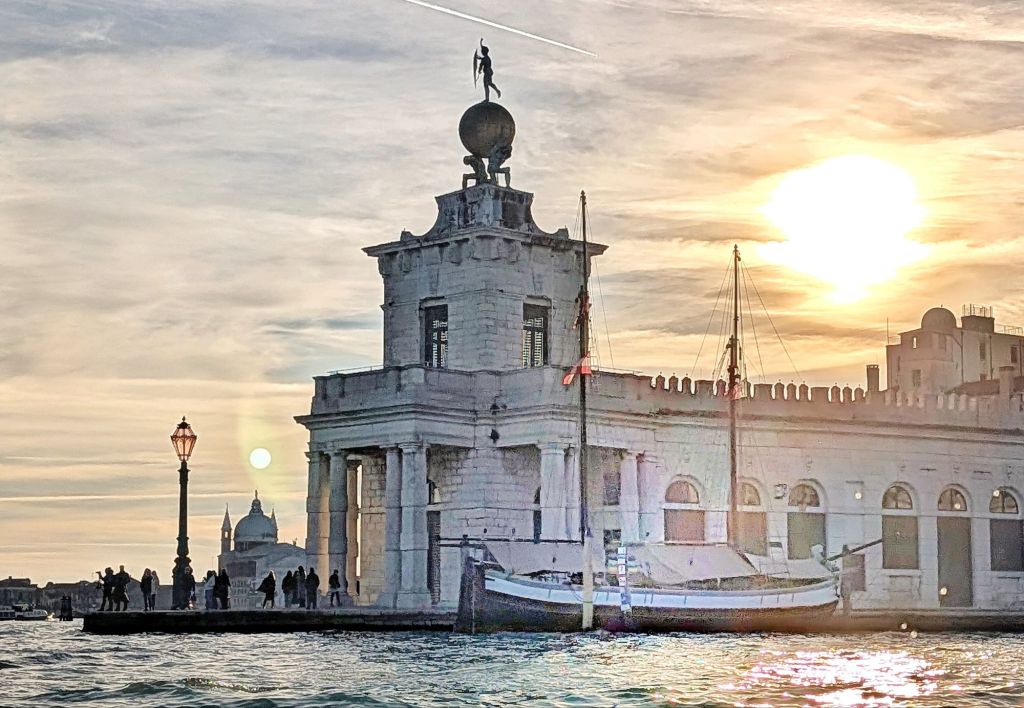
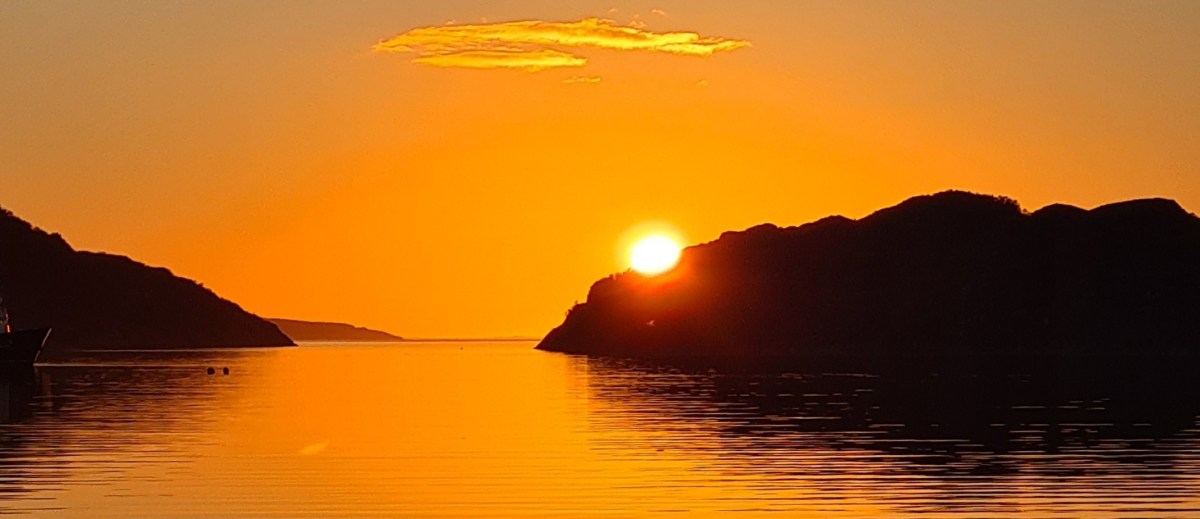
Sunset at Punta della Dogana, with Nuovo Trionfo tucked up under protective tarpaulins. Photo Will Rodgers.

I had pre-sold the idea to the magazine as an up-beat piece about a successful project. But a nasty shock came for the enthusiastic restoration team and its backers: part of the keelson – a huge timber down the centre of the ship above the keel – was discovered to be rotten and cracked  and needed major repairs ashore. There were years to go – nine as it now turns out – before this could be called a successful restoration, so the magazine lost interest.

The trabacolo was repaired but that wasn’t the end of the saga. In 2020 it was only saved from sinking on its Dogana mooring by the prompt arrival of a fireboat which pumped it out so it could be taken to a yard for more urgent repairs. See this post I wrote at the time.

The good news is that from February 2024 till a few days ago the Nuovo Trionfo was ashore at the Casaril yard, on the northern tip of Venice, this time for a really thorough rebuild, which is described and photographed in detail on the website of the Amici del Nuovo Trionfo. (In a Chrome browser  the translate function gives a readable account in English). 

This second link is to the website of Compagnia della marineria tradizionale Il NuovoTrionfo . The spars were taken for checking to Diporto Velico Veneziano, the yacht club in Sant’Elena which organises the annual Transadriatica race.

The Nuovo Trionfo was put back on its Dogana mooring on the 20 November. As well as the structural repairs, much attractive detailing has been restored, including the pair of bright red traditional eyes at the bow.

  She has been used in recent years to give tourists a short ride on the lagoon, to raise money to keep the project going. With substantial extra funding secured for the latest restoration and the boat in seaworthy condition at last, there are plans to go to sea properly, and retrace her old trading routes in the northern Adriatic.

The impressive team of Venetian traditional shipwrights and craftspeople was helped for a time by two French trainees and later by two graduates of the master shipwrights school at Douarnenez, Brittany, famous as the home of an annual traditional boat festival.

There is international solidarity between traditional boat builders, and some have many enthusiastic on-line followers. One of the best known is the complete rebuild in the US of the British yacht Tally Ho by The Sampson Boat Company. The 7 year project was led by a British shipwright who bought the damaged hull for $1.

The rebuild went viral with a huge following on U-tube that did much to help fundraising and attracted shipwrights and apprentices from far and wide to help. There’s a teaser here for amateur philosophers: every bit of Tally Ho had to be replaced in the end. Is she still the same boat? I say yes.

Tally Ho is actually on the way back to Britain where she was built in 1910. The plan is to compete in the 2027 Fastnet, the 600 mile offshore race starting in Cowes, which she won in 1927.

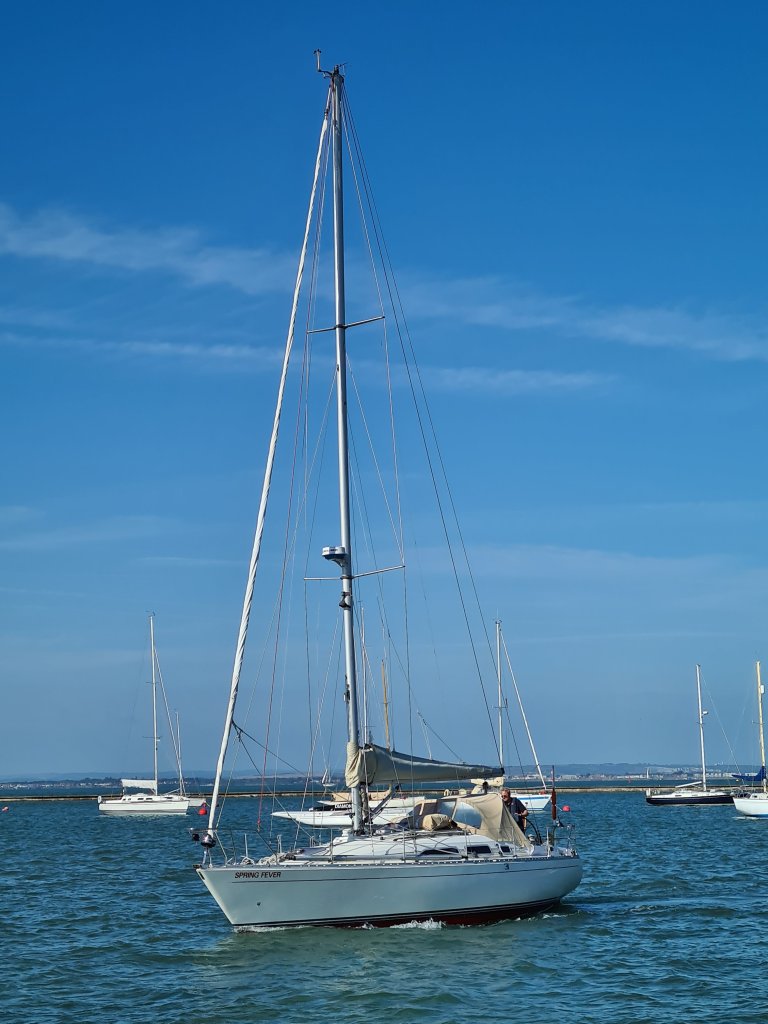
Spring Fever will be back home from Scotland by then. We must save the date so we can go out to watch the start. Sadly our own Fastnet race days are long over – I last did one in 1997.

Tides of history on the Thames

I’m a member of the excellent Cruising Association, whose headquarters is in Limehouse Dock, a short step from the Thames in east London. 

We have regular winter talks and seminars about yacht cruising. Because of where we are, we have also had some fascinating lectures over the years about the history of our river, and its ancient and modern docks and historic shipyards.

That’s my excuse for putting a link here to a story about docklands and the Thames which I wrote a while back, after I was reminded of the old river by a visit to one of my all-time favourite pubs, The Grapes in Limehouse. It happens to be a couple of minutes walk from the CA.

Prize blog

Pleased to say I won Cruising Association/Practical Boat Owner prize for the best short photographic blog in 2024. The blog was about our cruise from Cowes to Oban via the  Orkney Islands.

A three page extract appears in this month’s Cruising magazine, covering the passages from Pin Mill near Ipswich as far as Wick. Cruising is published quarterly for the CA’s 6,000 members.

The very welcome prize is a year’s subscription to PBO, the magazine that gives less space to test sails of new yachts that no-one I know can afford (I’m referring to Yachting Monthly) and a lot more space to useful information about maintenance and DIY problem solving.

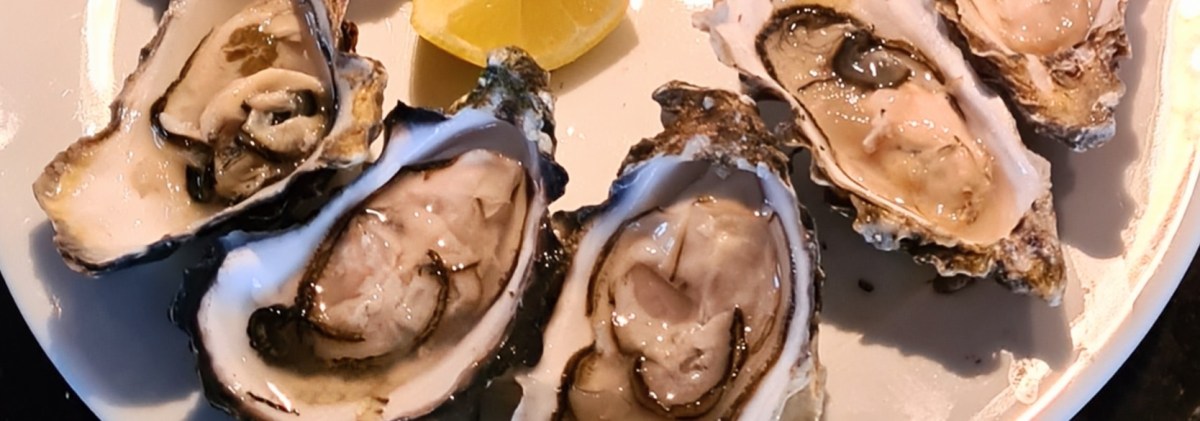
In search of real seafood

It’s often surprisingly hard to find truly fresh local seafood along the British coast, even though we’re avoiding fishing boats and dodging crab pots all the time.

Prompted by the splendid seafood shack by the Oban ferry terminal, which we’ve visited multiple times on each of our three round Britain cruises, I’ve started this little list of worthwhile places. Suggestions welcome.

Continue reading “In search of real seafood”

More on pronouncing bowsprit

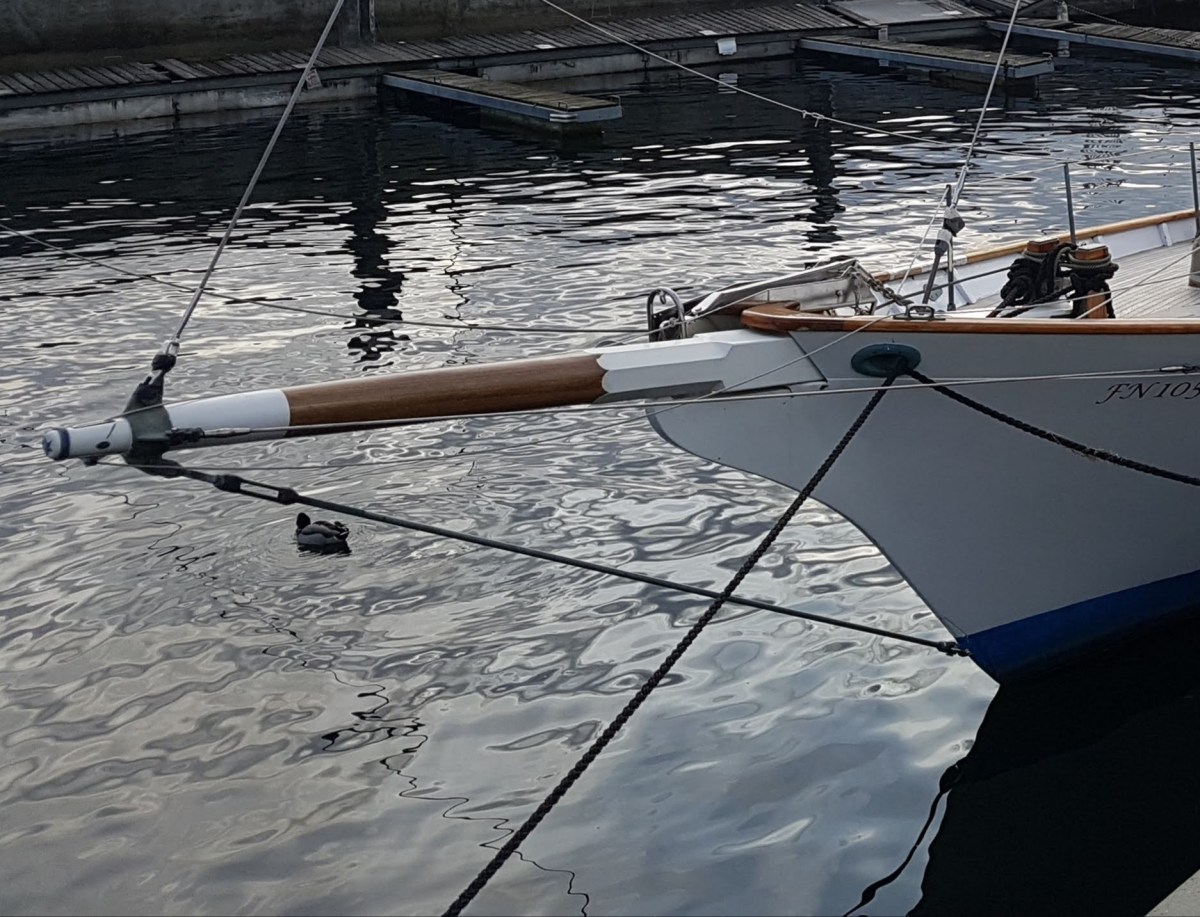
My post from four years ago about the pronunciation of the word bowsprit still seems to be getting quite a bit of attention, judging by the number of times it’s consulted. I wrote that I don’t think rhyming the first syllable with ‘cow’ is authentic, though that’s how most people pronounce it nowadays.

Somehow or other, pronunciation of this word touches on a nerve, drawing out the pedant in all of us. So here’s more grist to the mill:

Continue reading “More on pronouncing bowsprit”

Oldie plans

And following up my last post, here’s what we’ve been thinking about for next year’s cruise: a third round-the-British-Isles voyage, at an even more leisurely pace than before, giving time to explore places we missed and revisit some of the most memorable.

Spring Fever at dusk in Loch Moidart, 2012
Continue reading “Oldie plans”

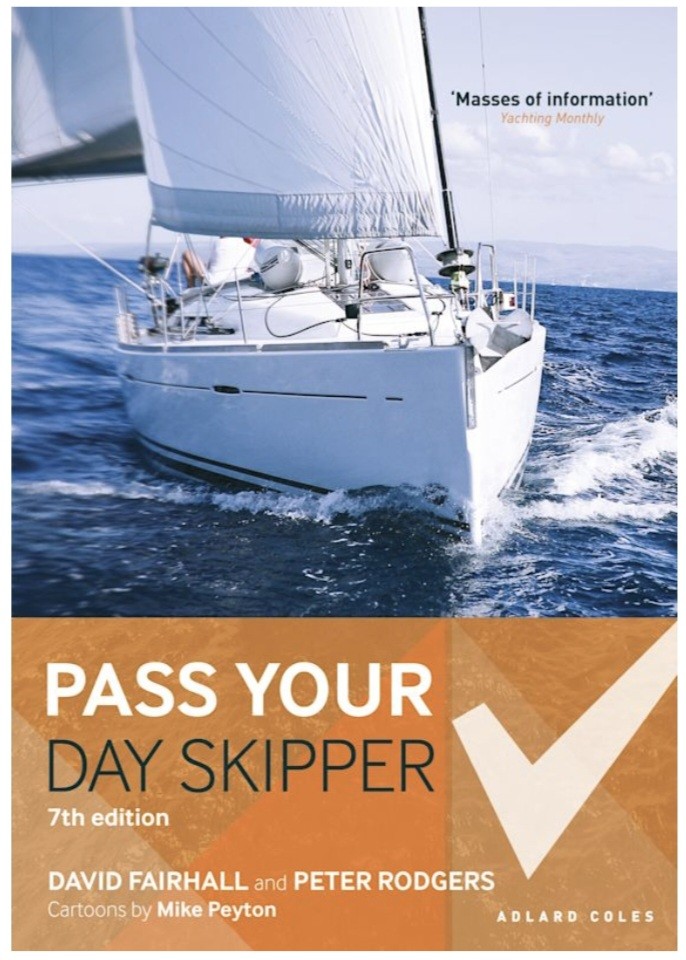
Just out – the new Pass Your Day Skipper

The new edition of Pass Your Day Skipper by David Fairhall and Peter Rodgers is now on sale. The book was originally by David but – at his invitation – I’ve expanded it and added lots of new material on electronic navigation, weather, and safety. The illustrations are by the famous sailing cartoonist Mike Peyton.

Continue reading “Just out – the new Pass Your Day Skipper”

Sigma 362 gets top marks

Practical Boat Owner’s current issue goes to great lengths to praise the qualities of the Sigma 362. It is given three whole pages of an 8 page article on the best cruiser-racers to adapt to cruising.

That’s quite an accolade for a 1980s design that was last built in the early ’90s.

Continue reading “Sigma 362 gets top marks”

August – Dun Laoghaire to Cowes

Covid caused a full week’s delay in Ireland, and the weather forecast added another three days. By then we were feeling fit, though perhaps tiring a touch more easily than usual. We grabbed the chance to see more of Dublin, along with Rob, who arrived by ferry late on Sunday night.

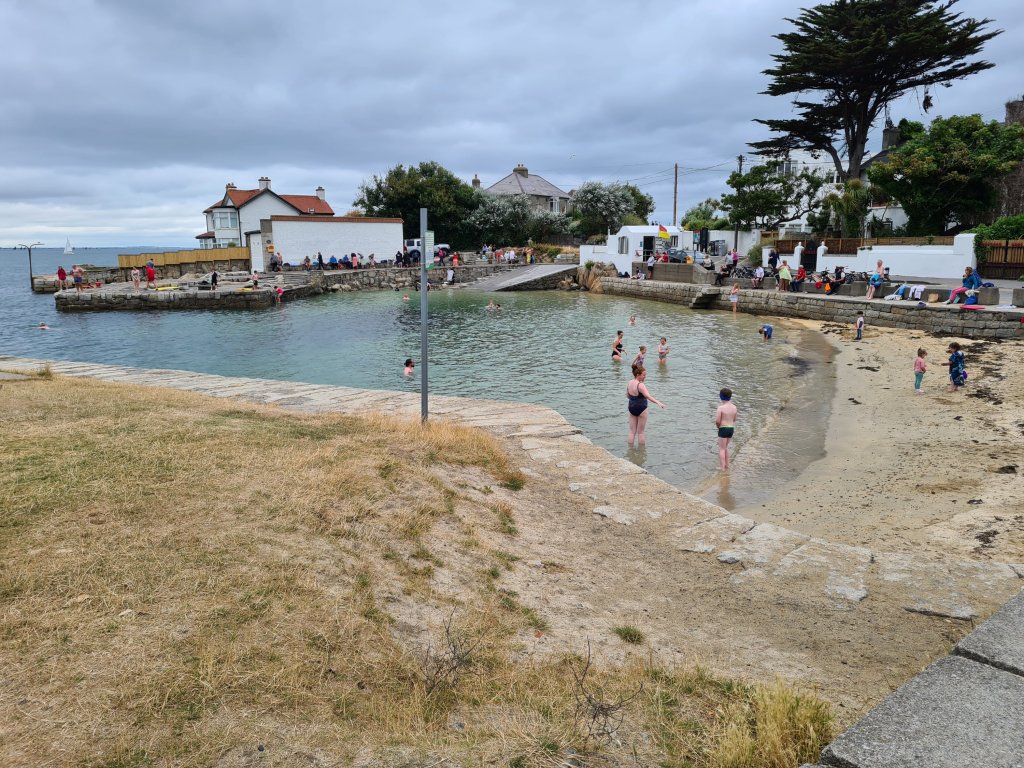
Sandy Cove, Joyce’s Tower almost hidden behind the trees on the right

Near Dun Laoghaire, the James Joyce Tower and Museum at Sandy Cove is fascinating both for its atmosphere and – at weekends – for the fluent storytelling about Joyce and Ulysses by the volunteers who staff it. The tower is the setting of the first page of the book.

Continue reading “August – Dun Laoghaire to Cowes”

July – passage to Ireland

The plan before Covid struck was to allow three weeks for a cruise to the Irish Sea, which is quite difficult to time exactly because of the uncertainties involved in rounding Lands End.

To make the new cruise work on our original pre-Covid timescale, Tony and I had taken advantage of a generous offer from Antony F to arrange a mooring for us at Saltash Sailing Club, an attractive and friendly place near the Tamar bridges (see June post).

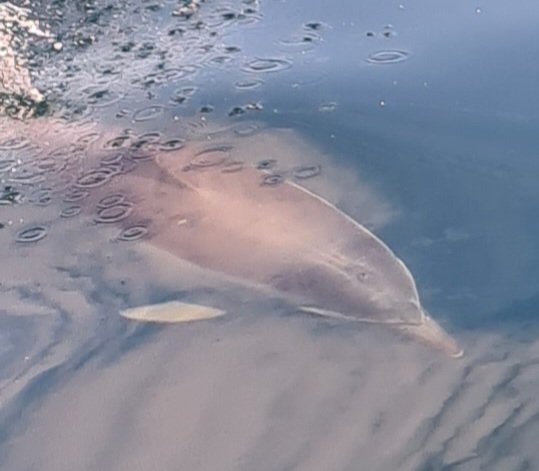
Dolphins all the way from Plymouth to Helford – here’s one about to surface

A good wind to get to Lands End from Plymouth is often a bad wind for carrying on northwards to Ireland. Strong winds can also prevent rounding the headland for days, as we found in 2007 when we were held up for a week in Falmouth.

Continue reading “July – passage to Ireland”

June (2) – overnight to Plymouth, fuel consumption

With half a dozen tidal gates on a passage from the Solent round Lands End, we managed to get through four of them in 24 hours last week. The westerlies that usually slow a cruise to Devon and Cornwall gave way to light winds from between north and east, with calm seas.

Tony bringing the boat in from our mooring to Cowes Yacht Haven so I could do a pierhead jump – we’re too mean to pay marina day rates
Continue reading “June (2) – overnight to Plymouth, fuel consumption”

Venice’s Vogalonga

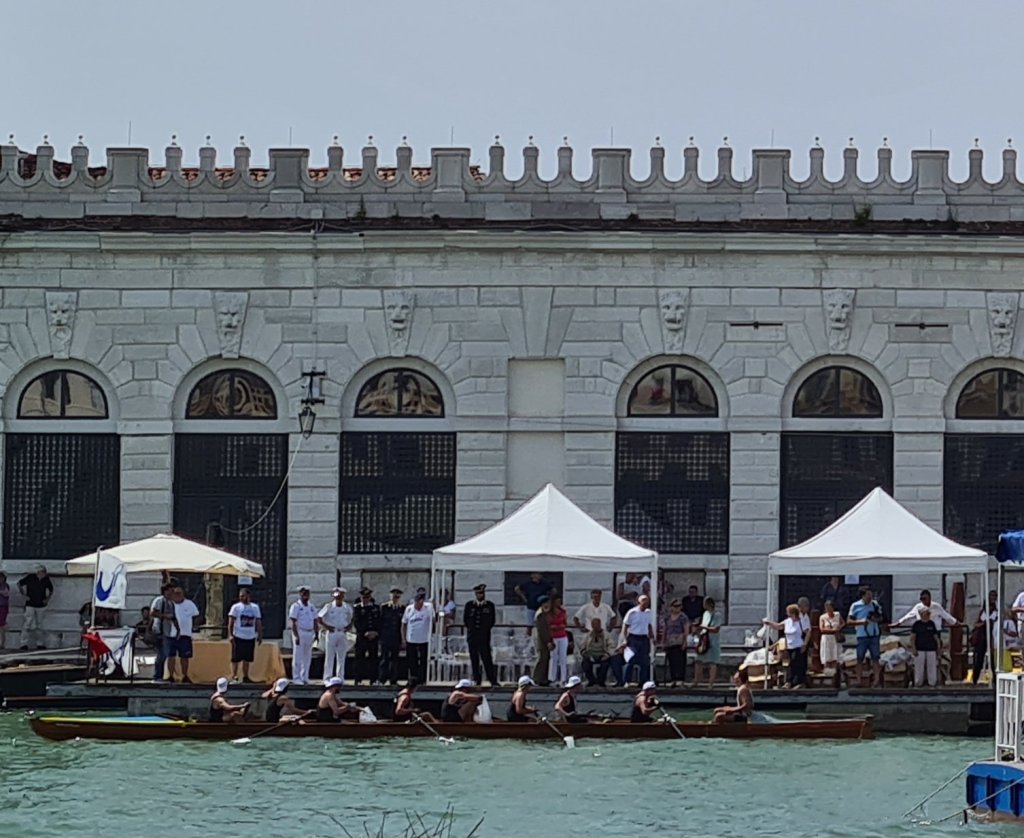
The first boat to appear at the Dogana on the Grand Canal after the 30 km Vogalonga rally round the lagoon and canals of Venice was a coxed eight. It was another 40 minutes before the arrival of the first of the traditional Venetian boats, the ones everyone really wants to see.

All the boats finished further up, beyond the Rialto, and they then paraded down to the official pontoon at the Dogana, which is at the entrance to the Canal.

A coxed eight was the first to arrive
Continue reading “Venice’s Vogalonga”