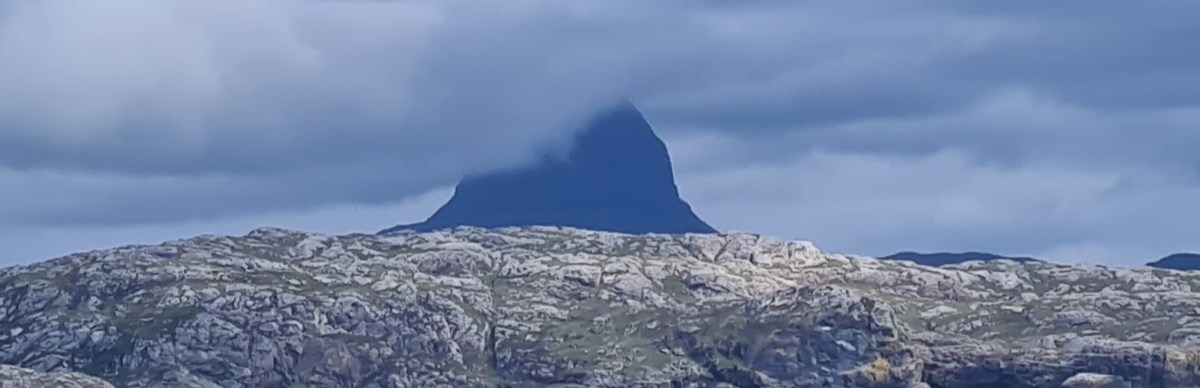
Cruising down the West Coast – Kinlochbervie, Lochinver, Loch Ewe

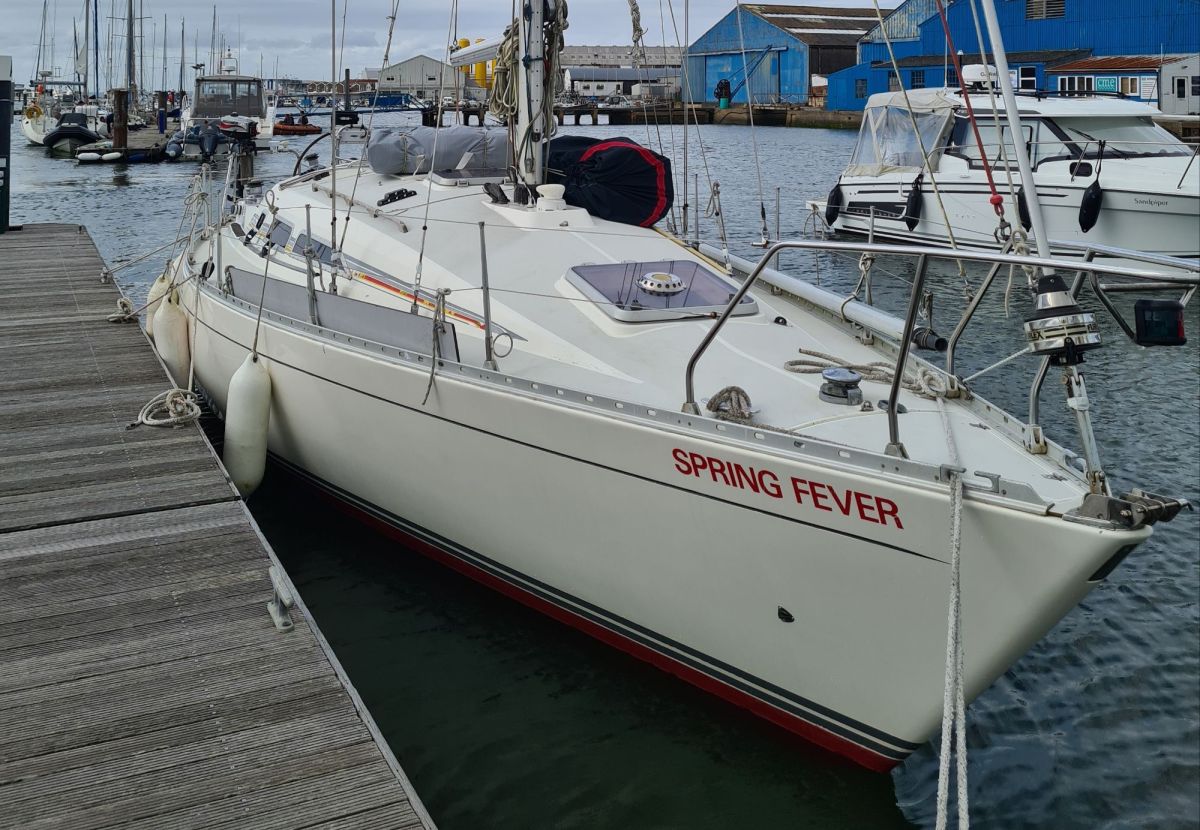
We’ve done our main delivery trip: after passing Cape Wrath, Spring Fever is now cruising among the lochs and islands of the west of Scotland on the way down to Oban, which will be the boat’s home for a year.

There are hundreds of anchorages and dozens of harbours, with shelter from any given wind direction always in reasonably easy reach. We’re no longer trying to maximise the sea miles every day and are looking instead at a less strenuous 30 to 50 miles a day.

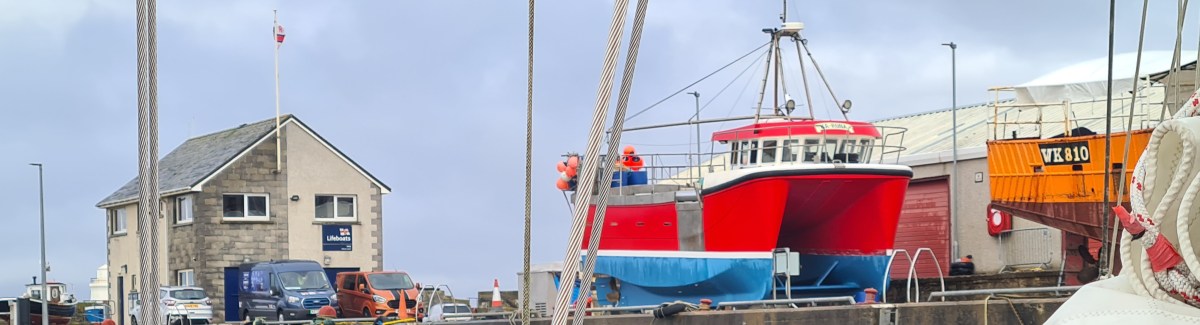
Early morning, Kinlochbervie, the fishing port just south of Cape Wrath, where we stayed two nights
Continue reading “Cruising down the West Coast – Kinlochbervie, Lochinver, Loch Ewe”

Kirkwall to Cape Wrath and south again

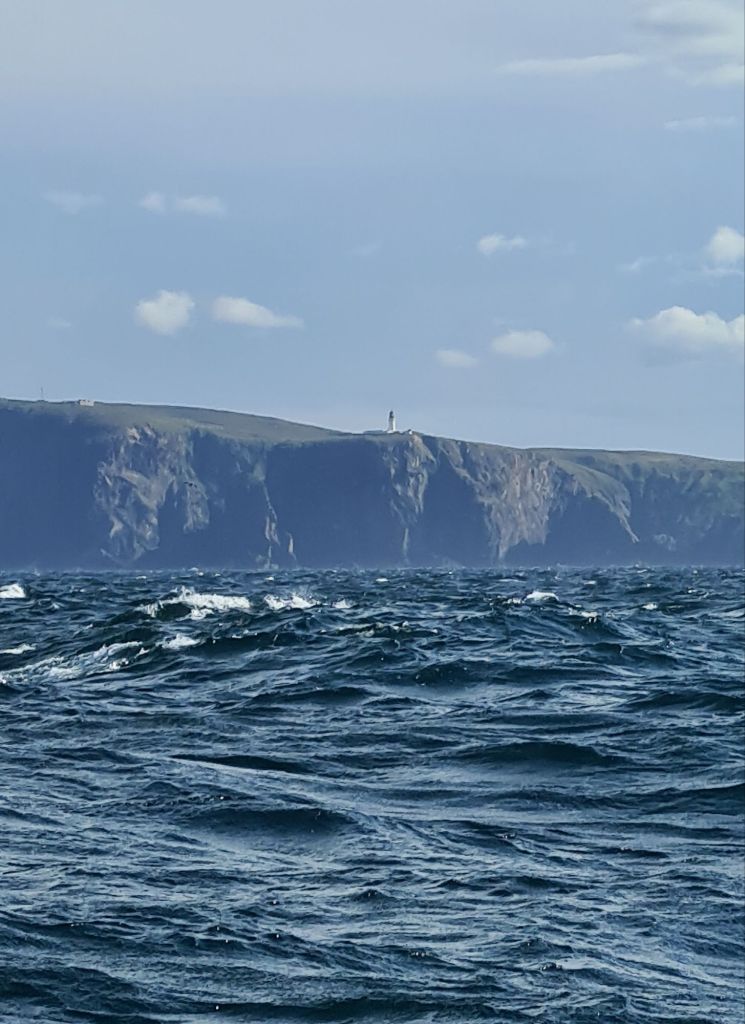
Cape Wrath as we rounded it

By great good fortune, the wind started coming from the east just as we were planning to head for the famous headland of Cape Wrath away to the West. What could have been a hard-working 90 mile battle into the wind to Cape Wrath and south to Kinlochbervie became an exhilarating down-wind ride.

Continue reading “Kirkwall to Cape Wrath and south again”

Kirkwall, Skara Brae and Ness of Brodgar

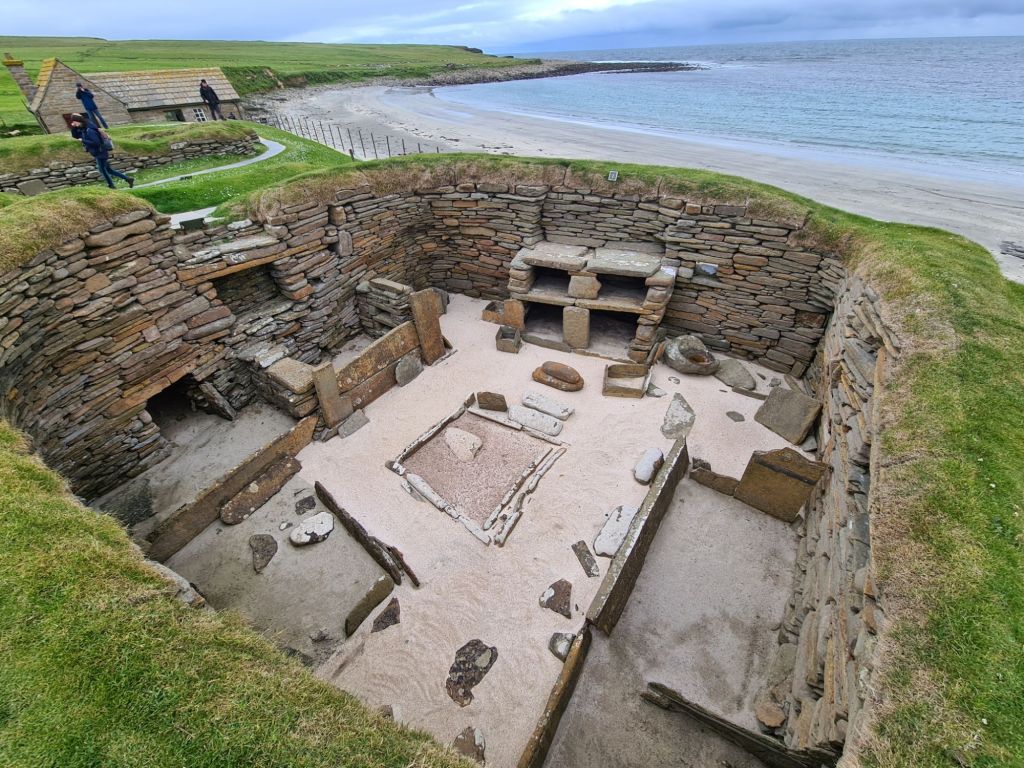
Skara Brae, a fishing and farming village more than 5,000 years old, is a must on any visit to Orkney. The houses have stone furniture, and the winding paths between them were roofed. It can be reached easily from Kirkwall on an hourly local bus service.
Continue reading “Kirkwall, Skara Brae and Ness of Brodgar”

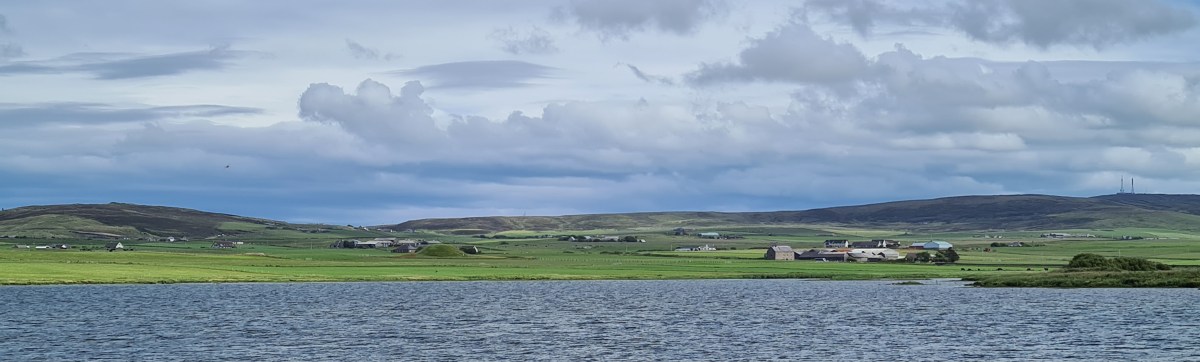
Pentland Firth to Orkney

The next leg from Wick to Kirkwall in Orkney required careful preparation, because we needed to cross close to the Eastern end of the notorious Pentland Firth.

This has ferocious tides but, more seriously, is peppered with rocks and deep underwater reefs that create enormous turbulence. Ships, even the navy, are wary of the Firth. In some conditions it can be deadly for  small craft.

We crossed just to the east of the Pentland Skerries
Continue reading “Pentland Firth to Orkney”

Peterhead to Wick

The 75 miles across the Moray Firth from Peterhead to Wick was a reminder of how long the North Sea has been a source of  energy wealth. We passed close to a huge deep-water wind farm and near another big one under construction. Close by there was an old oilfield from 1980, called Beatrice, which was exhausted and  shut down 7 years ago. Nearby Captain, a small field discovered in 1977, is still operating.

A shaft of sun on the water, with a rainy Wick harbour in the distance.
Continue reading “Peterhead to Wick”

Whitby to Peterhead

After leaving Whitby, we had more light winds on the Yorkshire and Northumberland coasts as far as Amble in Northumberland. However, we arrived just before the first strong winds of the cruise – too strong, in fact, because they kept us there several days.

Warkworth castle

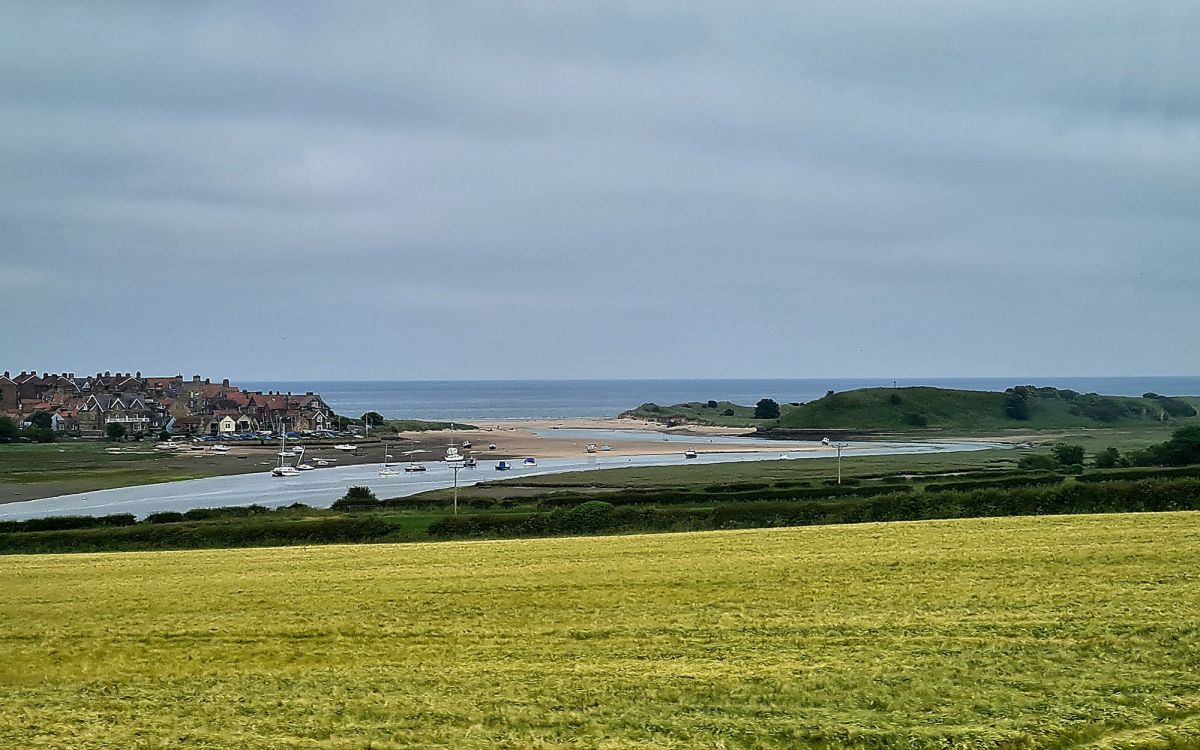
It was no penance, because the countryside is beautiful and we found plenty to do. Warkworth castle is well worth visiting, and there is  a lovely coastal path to the seaside village of Alnmouth, with a frequent bus back to Amble.

Continue reading “Whitby to Peterhead”

Slowboat Round Britain – Orwell to Whitby

Light winds again, just like our passage up the Channel. In the last couple of days, we’ve probably beaten all our past records for motor sailing.

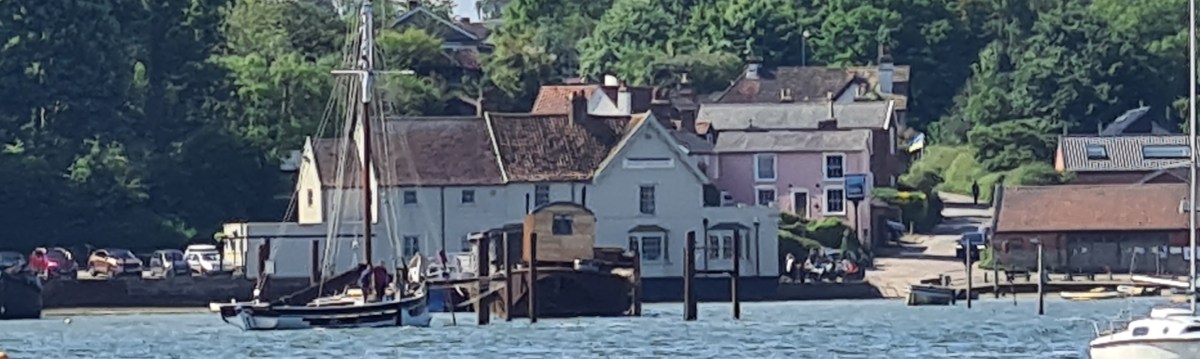
Pin Mill and the Butt & Oyster

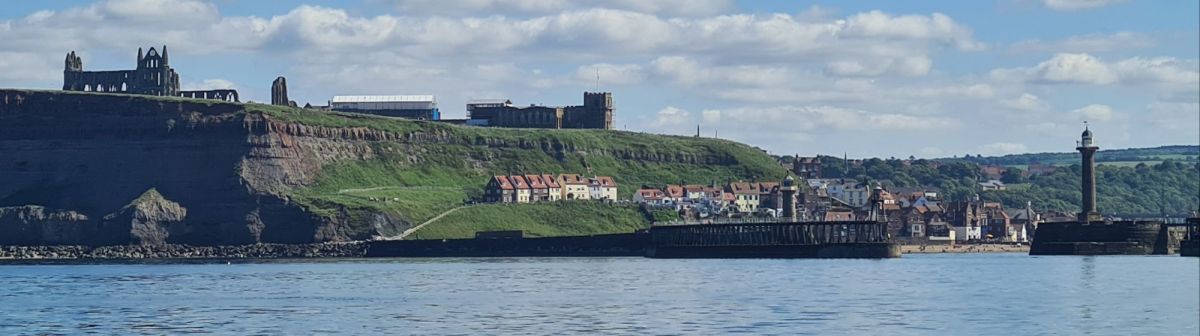
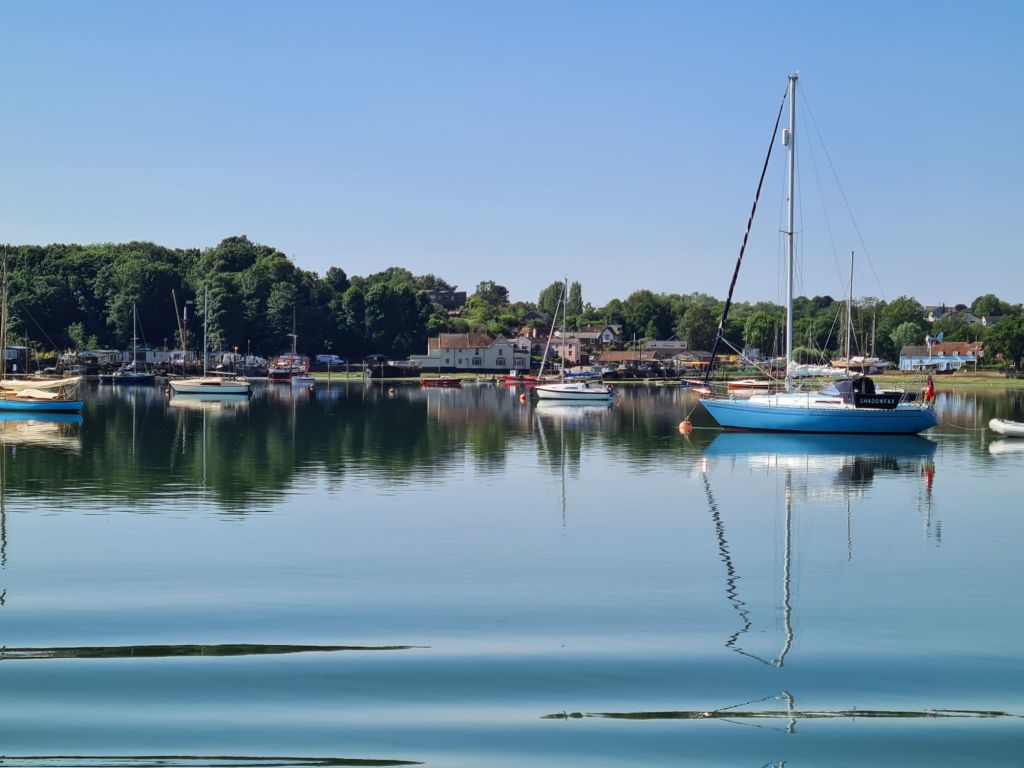
We left Woolverstone, passed Pin Mill in a calm and headed down the Orwell, finding wind eventually for about half the first leg. It was a bright and sunny 40 miles from Harwich to Lowestoft along the low-lying but beautiful Suffolk coast. With a near-spring tide carrying us along, Spring Fever reached  9 knots over the ground at times as we passed Aldeburgh and Southwold.

Continue reading “Slowboat Round Britain – Orwell to Whitby”

Transadriatica 2024

This year’s race from Venice to Novigrad and back felt like two different events. The first leg outwards was a hard-working disappointment, while the return home was a fast and enjoyable sail in mostly fine weather that more than made up for the earlier frustrations.

On the way out to Novigrad, only three boats out of 30 entrants managed to finish the overnight race, and everyone else withdrew part way through. The challenges that defeated most of the fleet were a combination of a north-east wind, a change in the course and the gradual then complete disappearance of the wind not long after dawn.

Fine weather at the evening start but wind from a difficult direction
Continue reading “Transadriatica 2024”

Slowboat round Britain – off we go

Some people race non-stop round Britain. Others sail 2,000 miles in a frantic six weeks cruise over one summer. We left Cowes a few days ago and won’t be back before autumn 2025. With so much to see, what’s the point of rushing?

Leaving Cowes before sunrise
Continue reading “Slowboat round Britain – off we go”

More on pronouncing bowsprit

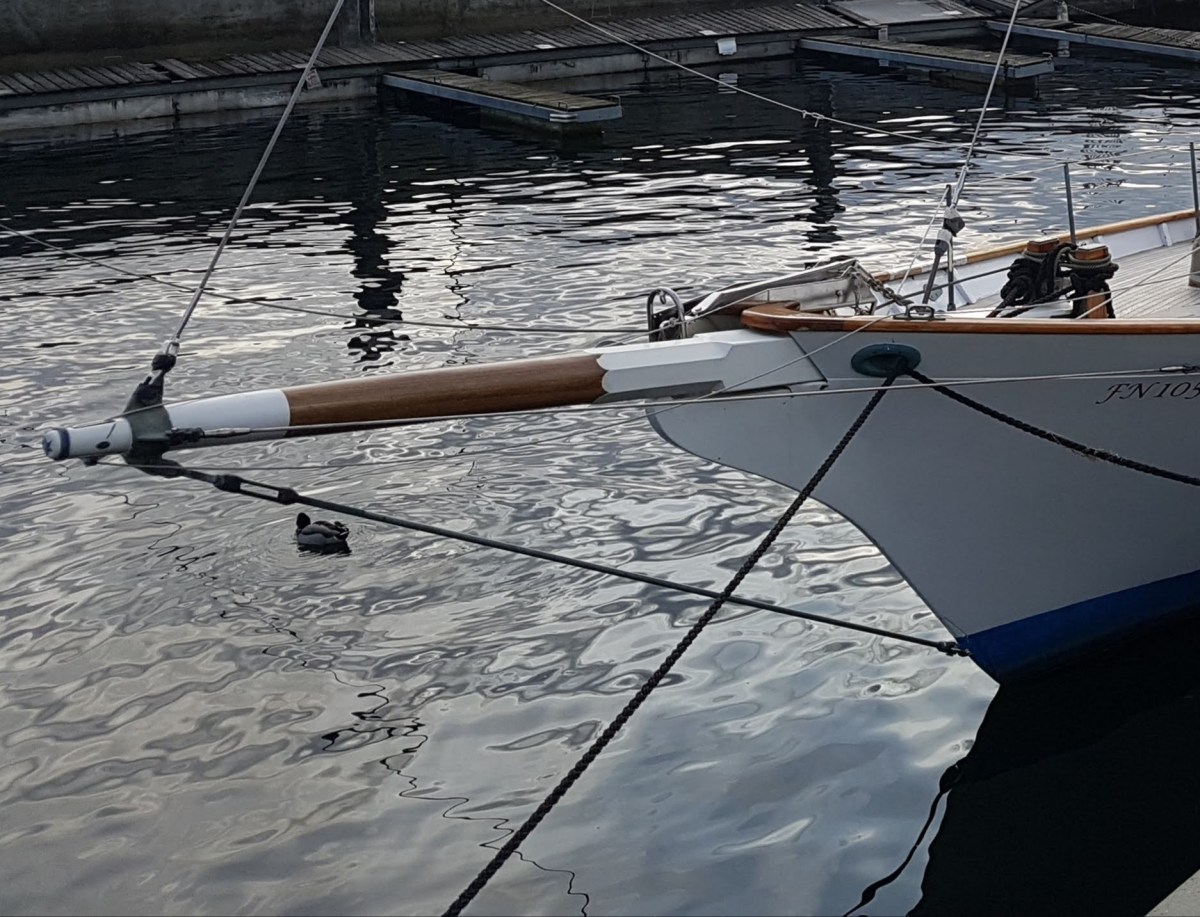
My post from four years ago about the pronunciation of the word bowsprit still seems to be getting quite a bit of attention, judging by the number of times it’s consulted. I wrote that I don’t think rhyming the first syllable with ‘cow’ is authentic, though that’s how most people pronounce it nowadays.

Somehow or other, pronunciation of this word touches on a nerve, drawing out the pedant in all of us. So here’s more grist to the mill:

Continue reading “More on pronouncing bowsprit”

Lazy sailing for oldies

A bit less of this hard work, please…

Tiredness is dangerous at sea, and it creeps up faster as we grow older, so we need to think hard about how best to avoid it. Having good equipment is obviously vital, but top of my list of priorities is not hardware but changing our attitude to the challenges of weather and sea. We must take the lazy option, and stay where we are if it looks too much like hard work out there.

Continue reading “Lazy sailing for oldies”

RYA navigators still last in the fleet

November 2024 update: This month Imray announced that it is ending paper chart publication at the end of next year, which makes the RYA’s paper focused training look more out of touch than ever. With Imray charts gone and the Admiralty ending paper chart publication in 2030, it will be electronics only in the UK.

Sometimes I wonder where the Royal Yachting Association has been for the last 10 years. I have just had an email from them saying “in the next ten years or so digital will become the dominant method of navigation”. In the real world of small boats, digital has been the dominant method of navigation for at least the last 10 years.

Continue reading “RYA navigators still last in the fleet”