November – ocean going on a lake

Looking back at Spring Fever’s logbooks recently to pin down the wheres and whens of a good cruising story, I found they were so sparsely written – professional in the best sense, as they should be with a Master Mariner as a co-owner – that I could not begin to tap them as a surrogate diary. And checking my blog posts each year, I see these have been relatively few, with long gaps between them.

So largely for my own benefit I shall start a monthly diary post, in the hope that in another five years I’ll actually be able to work out what we were up to.

November’s most interesting sailing observation was nothing to do with Spring Fever.
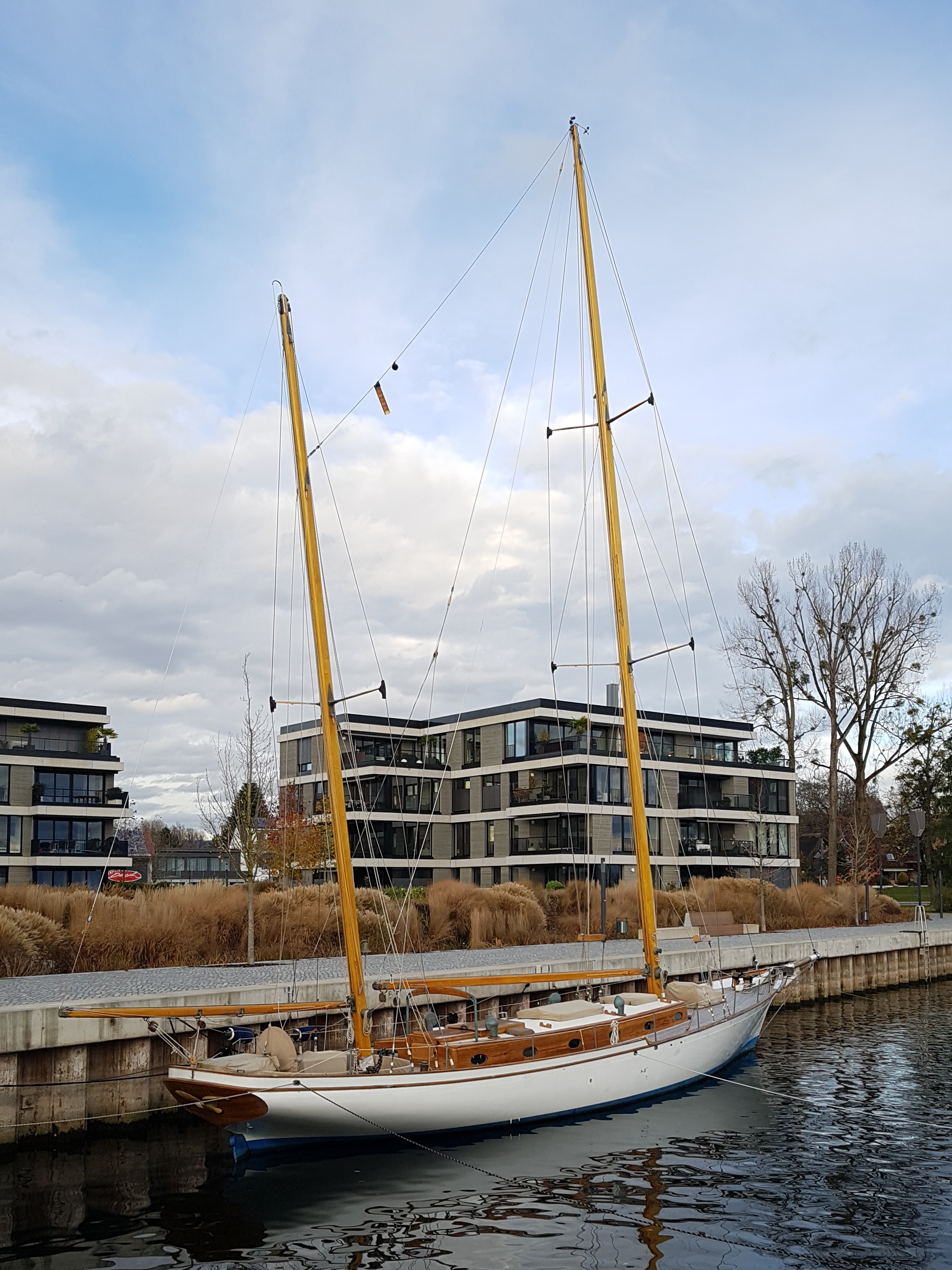
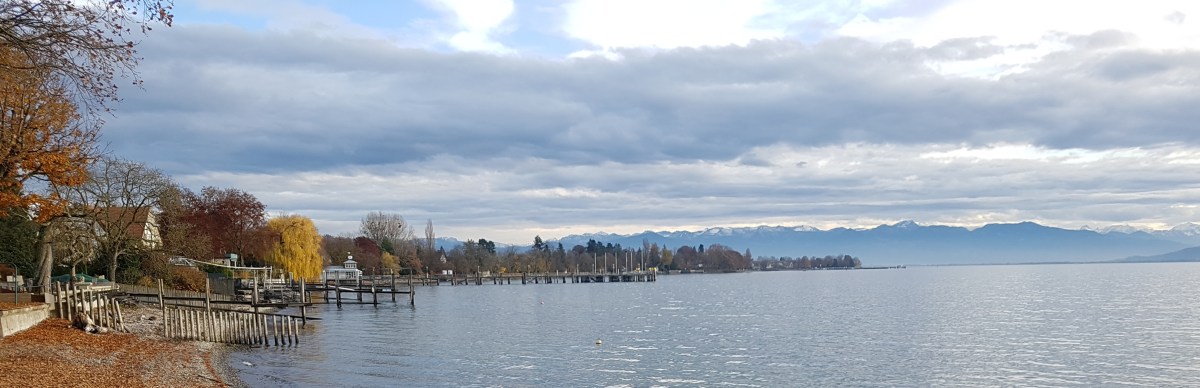
This beautiful 60 foot yacht called Tioga of Hamburg was moored at the end of November at Kressbronn on the German side of the Bodensee, or Lake Constance/Konstanz which is way up the Rhine, near where it starts becoming a mountain river, and well above the navigable section, so cut off from the sea. It is a US  design from 1931 by the great Francis Herreshof, but the original was destroyed and this replica (or so we thought at first from Google) was built in 1988 in Maine and restored in north Germany, where it was recently for sale.

So how on earth did a yacht with those tall masts get to the 38 mile long Bodensee, where Germany, Austria and France meet round the shores? And what on earth would an ocean yacht be used for on a lake where it would take a morning to go from end to end? (A waste of a thoroughbred).

Continue reading “November – ocean going on a lake”

Is your chart relying on an 1860 survey?

Footnote to cruising the Scillies: piloting there is a reminder of the importance of proper Admiralty charts, because they show the age of the surveys on which they are based, unlike any of the proprietary ‘vector’ charts available on chartplotters.

The Scillies is a mixed area from this point of view. Some of the surveys of the area were last done in 1860 – 1904 by lead line, probably from boats carried on naval survey ships and rowed up and down in straight lines quite a long way apart, so rocks could easily be missed. Other parts of the islands were surveyed at a range of different dates in the 20th century. Continue reading “Is your chart relying on an 1860 survey?”

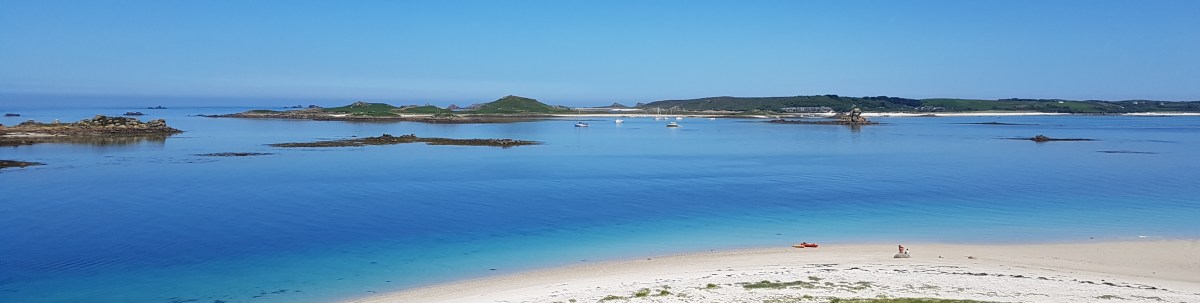
Round the islands

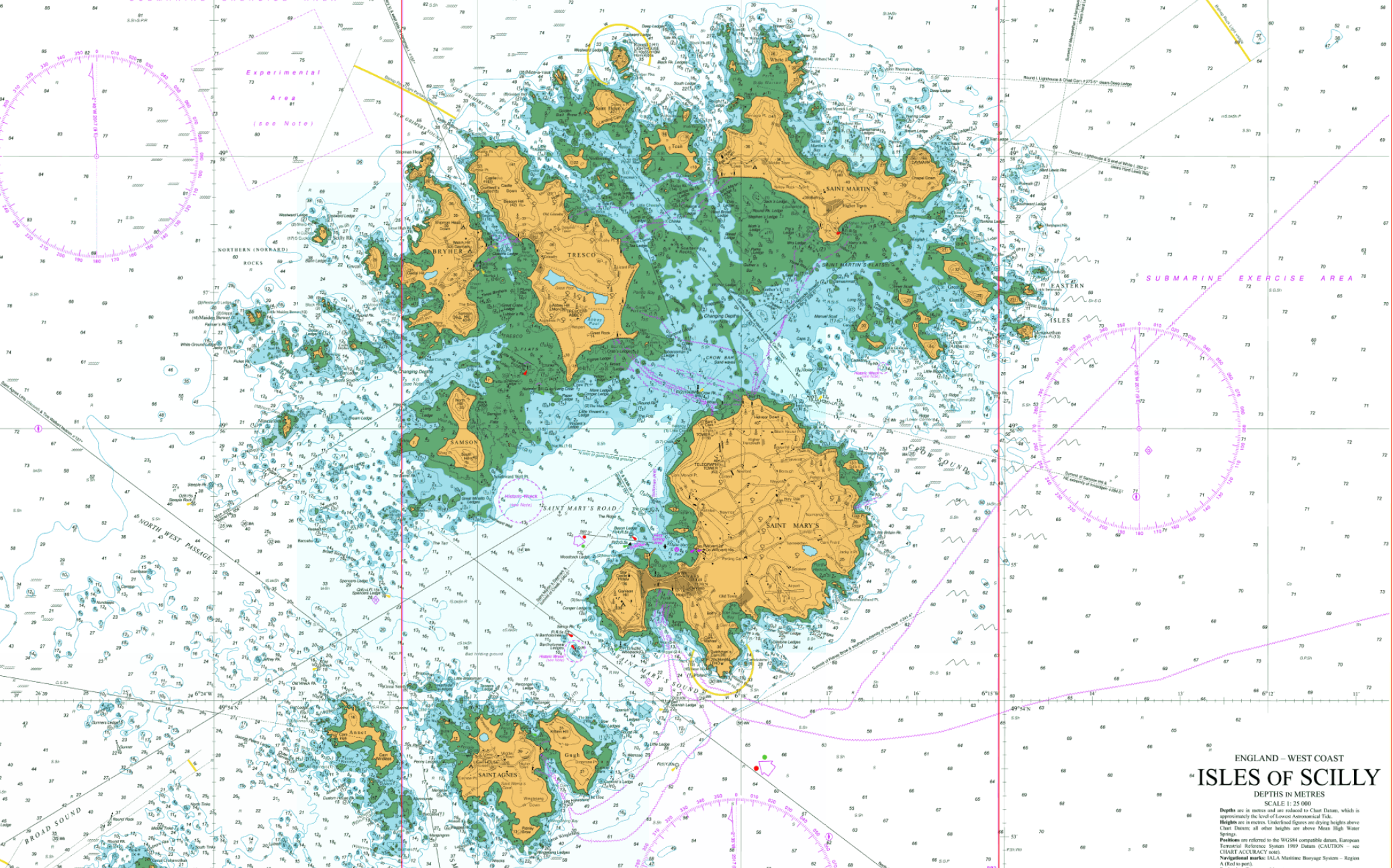
Below is the UKHO large scale chart of the Scillies, with green showing where the bottom is exposed at low spring tides. With careful tide calculations it is straightforward moving between the islands, though you have to be mindful of dangerous rocks scattered around the flats.

The old pilot books for the Scillies, one of which we have, give many complicated bearing lines for finding your way around using pairs of landmarks, which are still very useful to know.

Continue reading “Round the islands”

Three times lucky

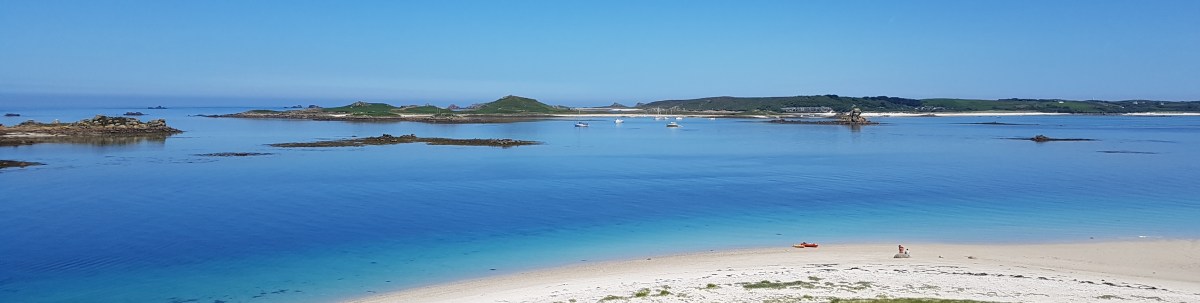
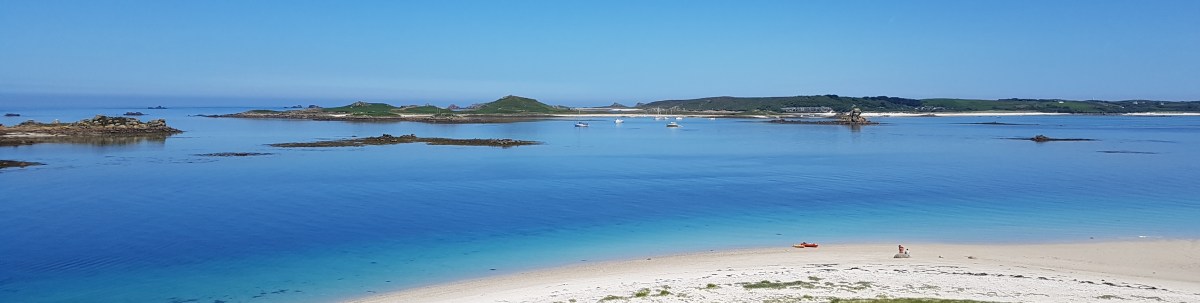
The Scillies are beautiful, but they take much effort to visit, even by public transport, because the air and sea links are from Penzance, right at the far end of Cornwall.

I’ve tried to sail to the Scillies half a dozen times, but only managed to arrive after three of those attempts because of bad weather, which makes the islands a rather precarious place to be: there is no all-weather shelter, and it is an area prone to gales and huge swells. Once, the weather forecast was so bad we gave up trying to go west by the time we got to Dartmouth. (I’ve also passed close by the Scillies quite a few times on races without attempting to go there). Continue reading “Three times lucky”

Scillies Vineyard

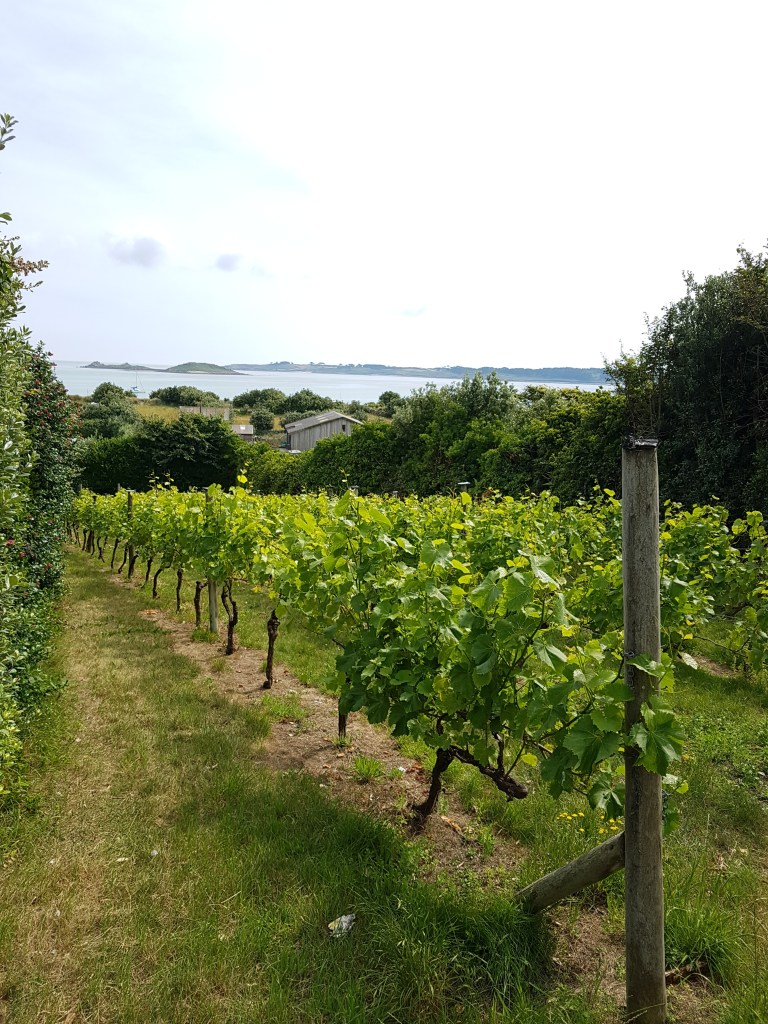
The island of St Martin’s in the Scillies used to specialise in the growing of spring bulbs and flowers. As the old business has shrunk, a new use has been found for some of the tiny fields with tall hedges that protected the plants from Atlantic storms: England’s remotest vineyard and winery.

The winery

Continue reading “Scillies Vineyard”

Tresco story chiselled in stone

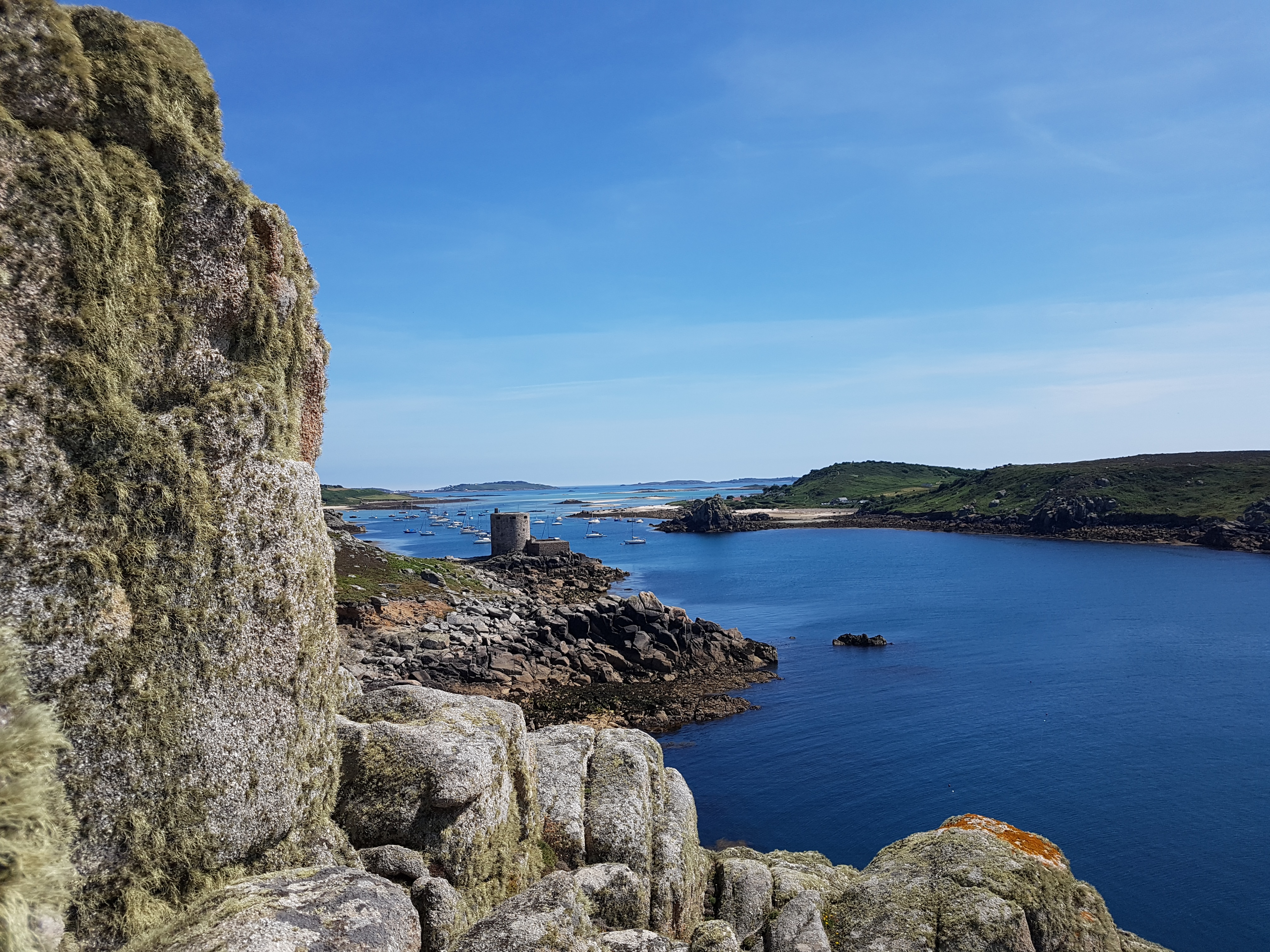
New Grimsby Harbour from Cromwell’s Castle, Tresco to the left, Bryher to the right

On an overgrown, narrow footpath through the bracken near Cromwell’s Castle on Tresco in the Isles of Scilly we came across a modest, well-kept memorial to an extraordinary wartime rescue, invisible through the undergrowth until within a few feet. The inscription tells the story: Continue reading “Tresco story chiselled in stone”

Transadriatica 2019

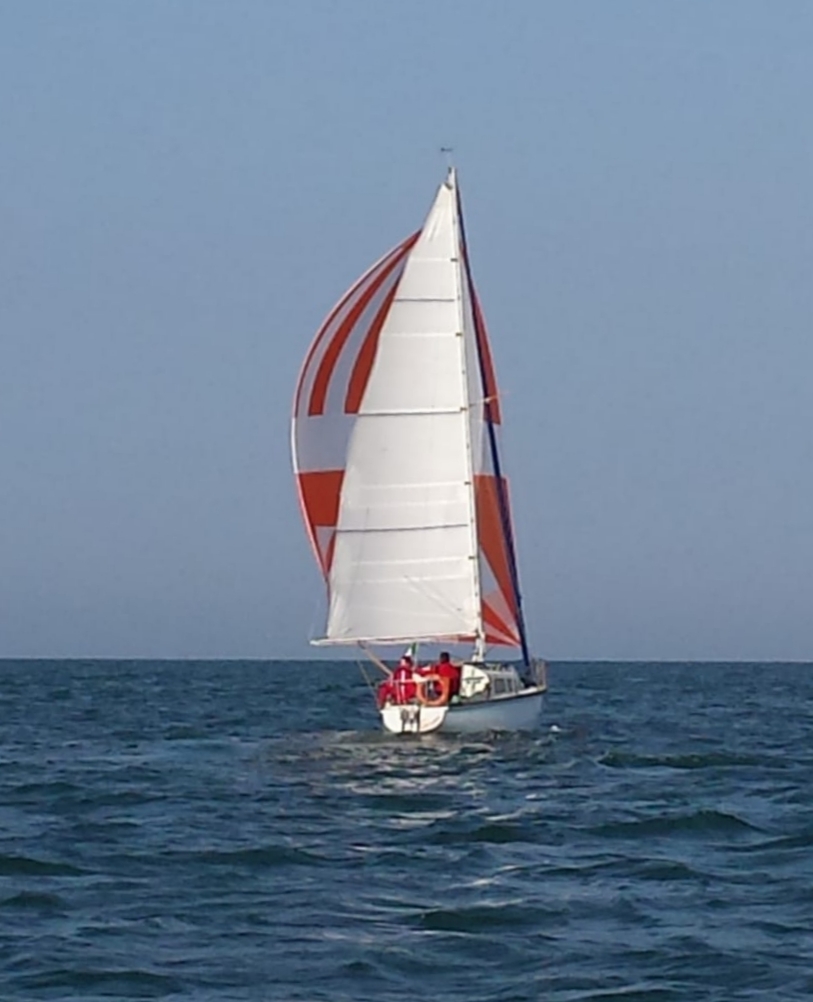
One of the best sails I’ve had in the Mediterranean or Adriatic: nice breeze that kept the boat flat out much of the way, apart from a couple of hours after the start of the return leg. Only once or twice were we hard pressed, and what’s more the wind magically veered and backed almost on demand, just as we needed it, especially near the course turning point in the Gulf of Trieste. Even as the wind dropped approaching Venice, it was enough to keep us moving at 5 knots.

Spiuma, seen from another competitor as we neared the finish at the entrance to the Venice lagoon

Continue reading “Transadriatica 2019”

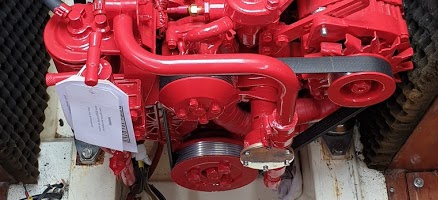
New engine calculations

A new engine is a big challenge, not just financially but in the thought process running up to the decision.

Our Volvo is 30 years old and we had it taken out and largely rebuilt 10 years ago. It has been reliable since then but this winter it has been increasingly difficult to start, and the expert verdict was that the valves probably needed regrinding. Continue reading “New engine calculations”

Hard Brexit and boat VAT – Treasury response

The Treasury has finally decided that if a yacht is in the European Union on Brexit day, it will not be liable for VAT if it is brought back to the UK later.

As reported before, the Commission said recently that British yachts would lose their EU VAT-paid status unless they were in the EU on the day of a hard Brexit.

If they were in the UK they would no longer have the status of union goods and would be liable for VAT on visiting the EU, so the best they could do would be to apply for temporary importation for up to 18 months. Continue reading “Hard Brexit and boat VAT – Treasury response”

Brexit petition.

Yacht owners are a tiny and unimportant issue in the big Brexit scheme of things and I certainly did not sign the petition to Parliament – link below – because of irritations over the treatment of boats and sailors.

Signatures were over a million last time I looked, and still rising so rapidly that the website kept stalling. Persevere! [6 million was the final tally].

https://petition.parliament.uk/petitions/241584

Boat in a window

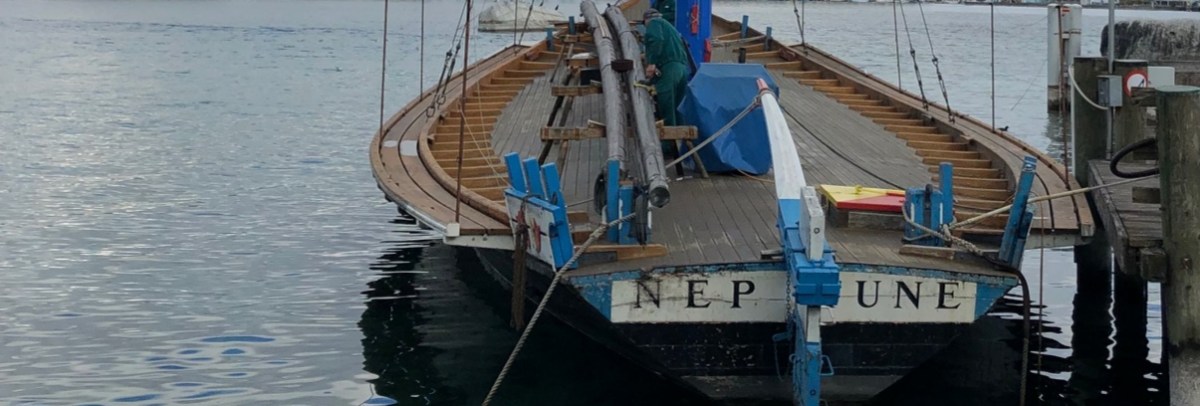
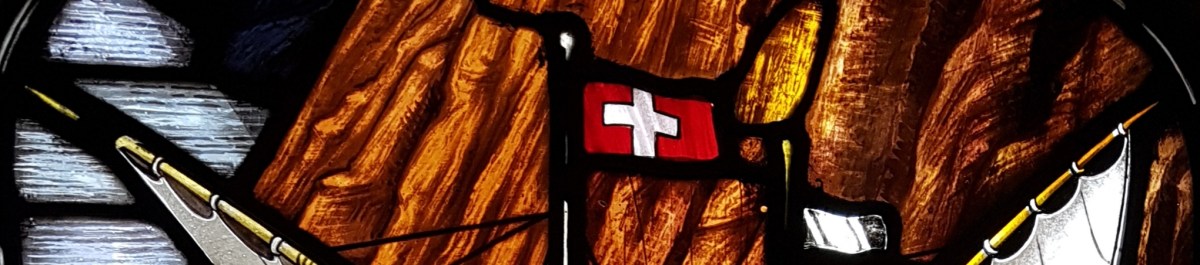
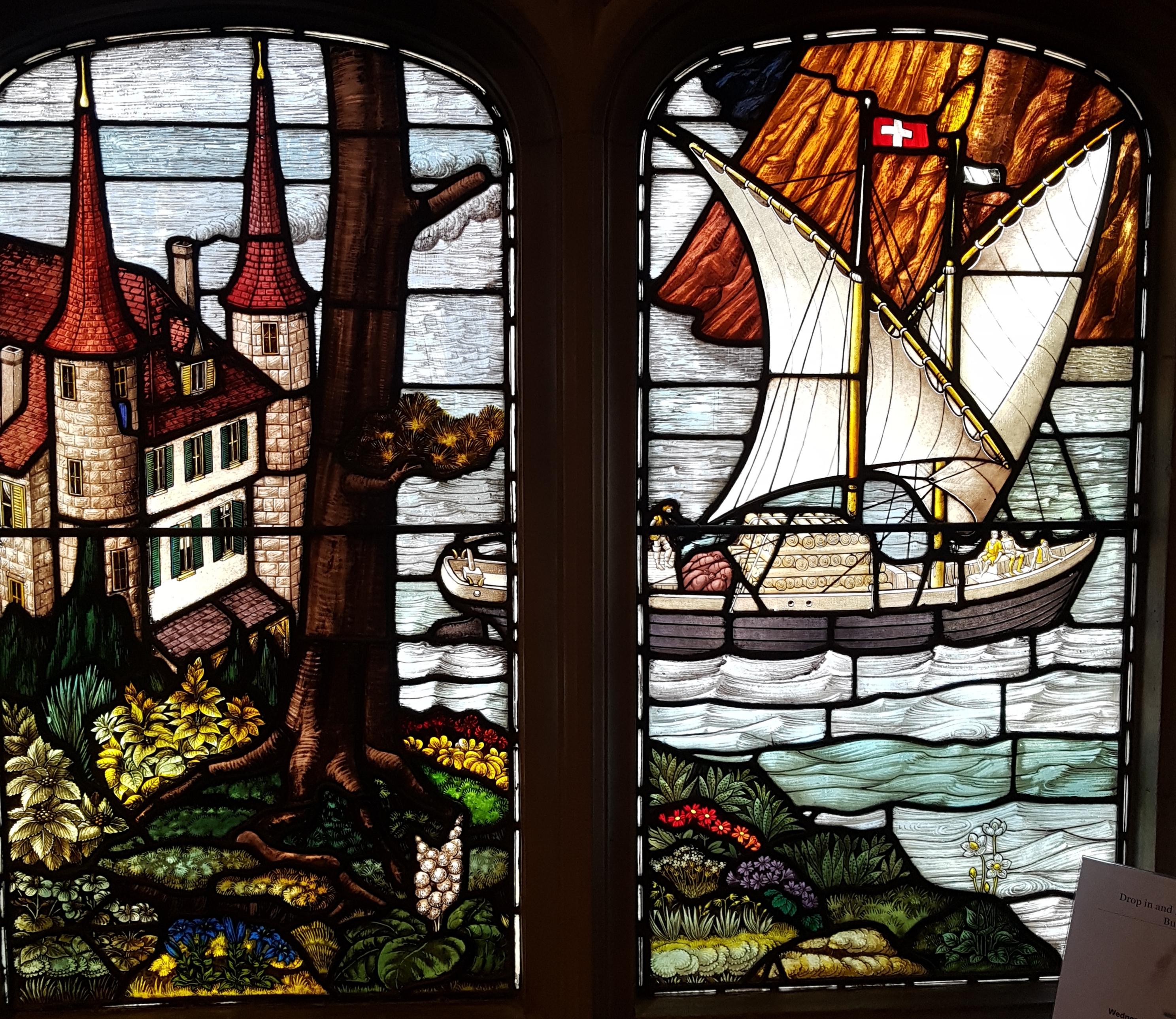
Thanks to Martin Walker for these pictures of the very last example of a large Lake Geneva trading barge, which must surely be much the same type as the one in the stained glass window in London (see this recent post). They have very similar hull shape, the two masts are both well forward, and they both carry lug sails. The one shown on the window at 2 Temple Place does not seem to have a bowsprit, but that’s a detail that can be easily modified.

Continue reading “Boat in a window”

PS – sting in the Brexit tail

Both the Royal Yachting Association and the Cruising Association now think that there is a real risk that a British boat will lose UK VAT-paid status if it is in the European Union on Brexit day, and so VAT would be payable on return to the UK.

If that happens, rushing over to France by 29 March (or whenever Brexit happens if there is a delay) to keep EU VAT-paid status is not necessarily such a good idea, unless you want to stay there permanently. Better to stay here and just apply for temporary importation whenever you visit the continent or Ireland in future. Continue reading “PS – sting in the Brexit tail”