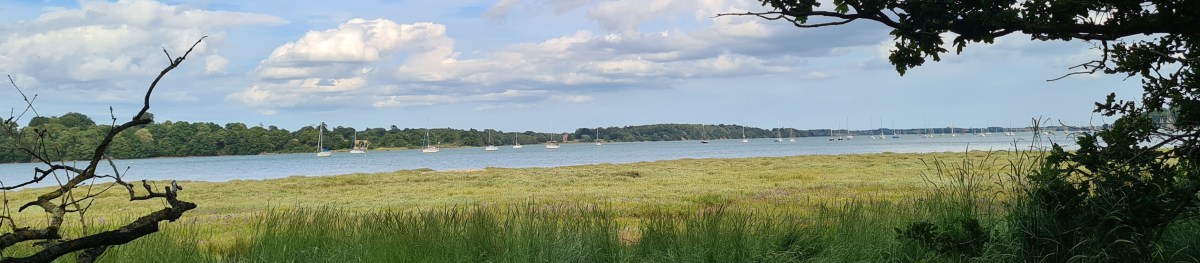
Follow the wind

After leaving the boat in Cowes for a few days for the force sevens to blow over (see previous post) we returned still undecided about where to go: south to the Channel Islands and down to St Malo? But it’s already the French holiday season, the English one is starting and there’ll be packed moorings and marinas everywhere, plus the new customs and immigration bureaucracy.

Furthermore, it looks from the forecast as if the first three days after arriving will be spent sheltering somewhere. After that we’ll be worrying about finding a weather window to get back to Cowes a few days later.

The answer, we decided, was to follow the wind east and head for the Thames Estuary and Suffolk.

Continue reading “Follow the wind”
Aimless cruising

Mike Peyton’s annual cruise with his club had a simple policy: don’t discuss where to go, don’t collaborate on planning and all set off about the same time. It seems that at the dictate of wind and tides, the club members would invariably end up in the same place anyway.

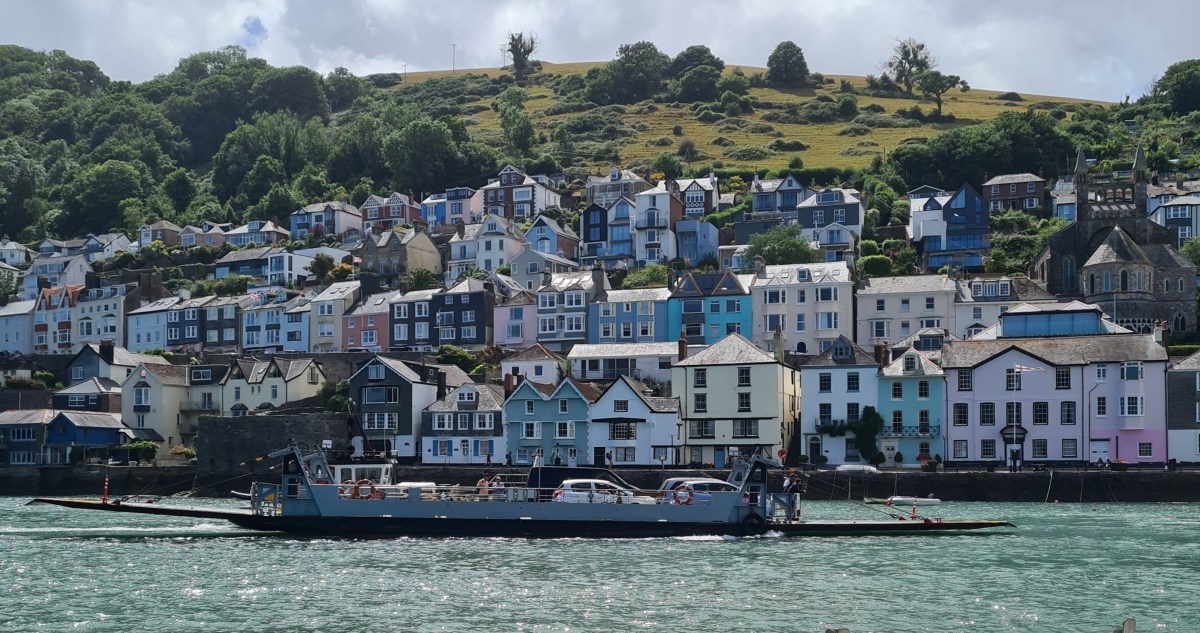
I can understand how that happens, after 10 days of this July’s weather. If you are a cruising sailor of a certain age who does not want to exhaust yourself and your crew to windward, the options for where to go narrow right down as soon as you check tides and wind.

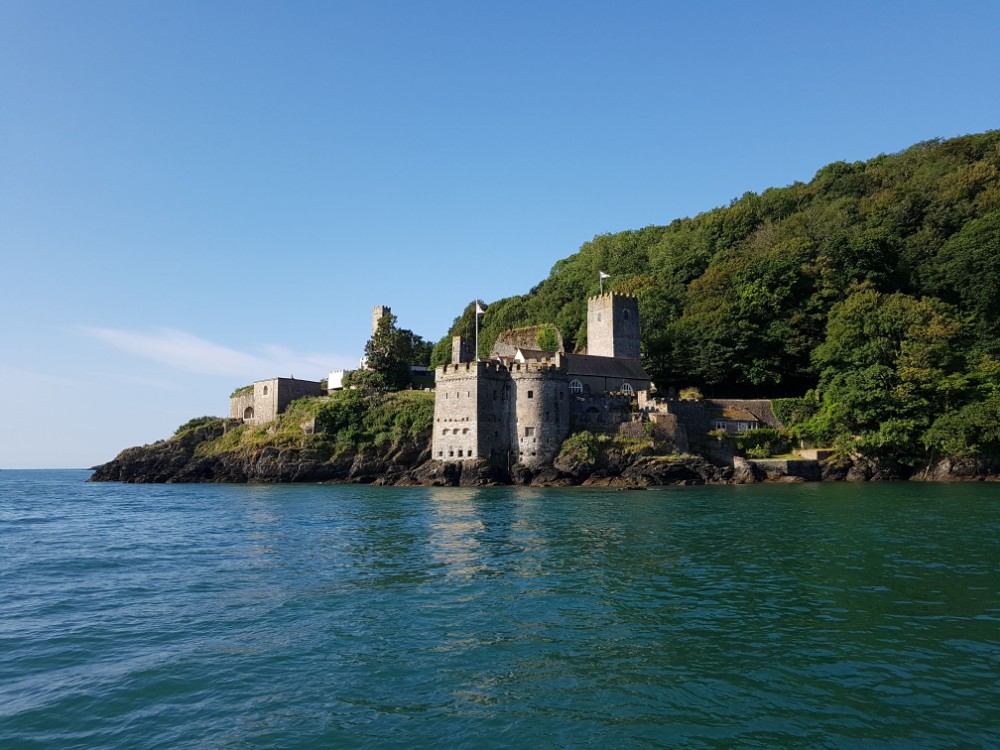
Dartmouth entrance in better weather, last time we visited
Continue reading “Aimless cruising”

Transadriatica 2023

It was one of the best Transadriatica’s from Venice to Novigrad and back that anyone could remember. Winds in the northern Adriatic are notoriously fickle and changeable, and sometimes disappear for hours to leave a glassy calm. This time, apart from a brief lull or two on the way out, we had steady winds all the way.

Martin and I were sailing two-handed in his Spiuma, starting on Thursday evening in Venice and arriving in Novigrad early on Friday afternoon.

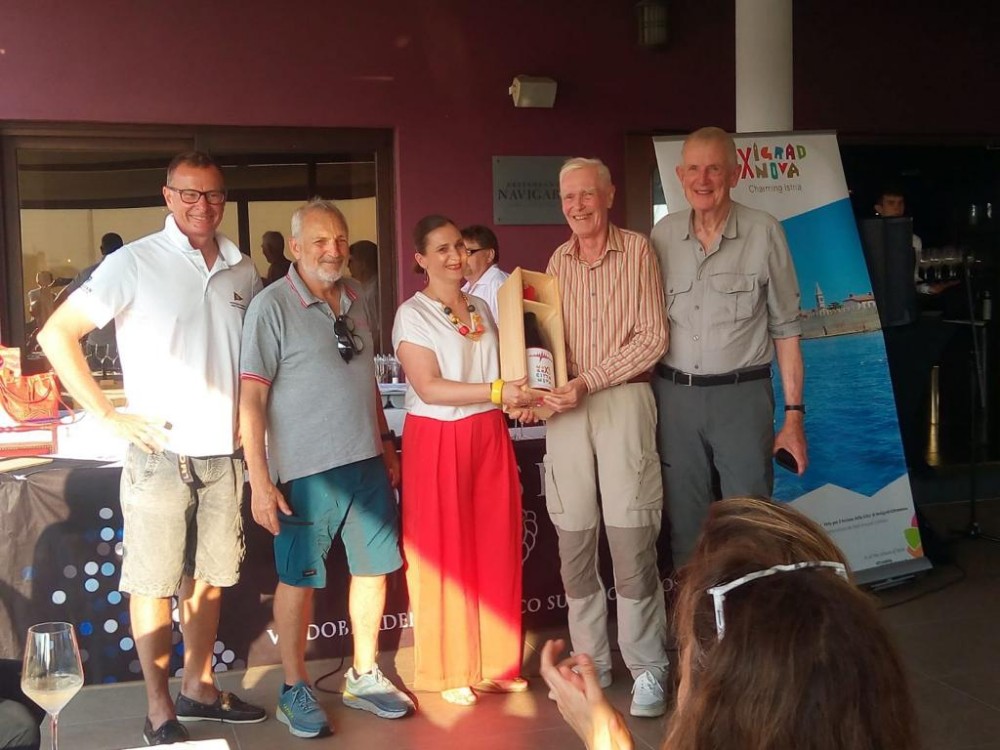
Receiving our prize in Novigrad for the smallest boat to finish
Continue reading “Transadriatica 2023”

Dark waters: how the adventure of a lifetime turned to tragedy

This Guardian article was worth reading – not because we ever plan to do trans-ocean passages, but because it illustrates how easily an overstretched, overtired crew can start making serious mistakes. That can happen on a simple cross-channel passage, let alone the Southern Ocean.

https://www.theguardian.com/news/2023/may/11/clipper-round-the-world-yacht-race-adventure-lifetime-tragedy-simon-speirs?CMP=Share_AndroidApp_Other

PS She called it the River Solent – don’t think she’s a south-coast sailor! They changed it in later editions.

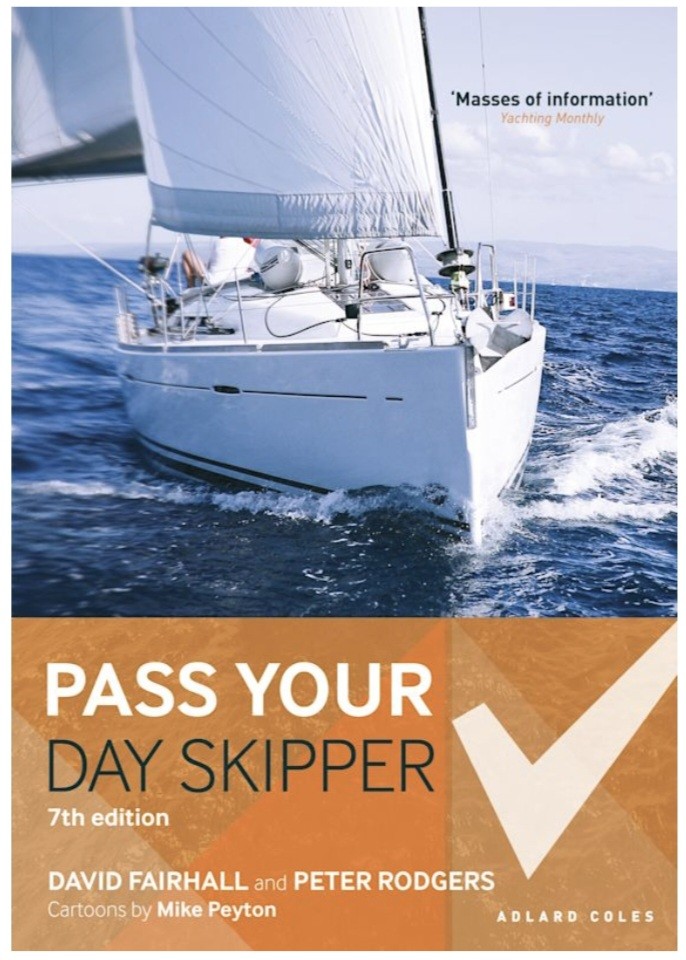
Just out – the new Pass Your Day Skipper

The new edition of Pass Your Day Skipper by David Fairhall and Peter Rodgers is now on sale. The book was originally by David but – at his invitation – I’ve expanded it and added lots of new material on electronic navigation, weather, and safety. The illustrations are by the famous sailing cartoonist Mike Peyton.

Continue reading “Just out – the new Pass Your Day Skipper”

Another Admiralty problem

What I didn’t realise when I wrote the recent post on the UKHO delaying the end of Admiralty paper charts was that there was a sting in the tail – they had wanted to drop raster electronic charts as well. That has also been delayed a few years to 2030 while they think about it.

Continue reading “Another Admiralty problem”

Ancient Pacific navigation inspires mainstream art

Two events 10,000 miles apart link a renaissance in traditional Pacific navigation and the world of art.

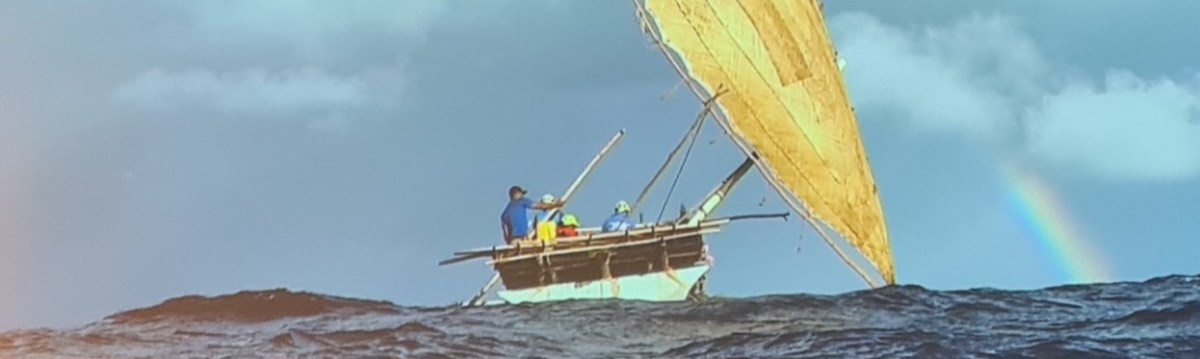
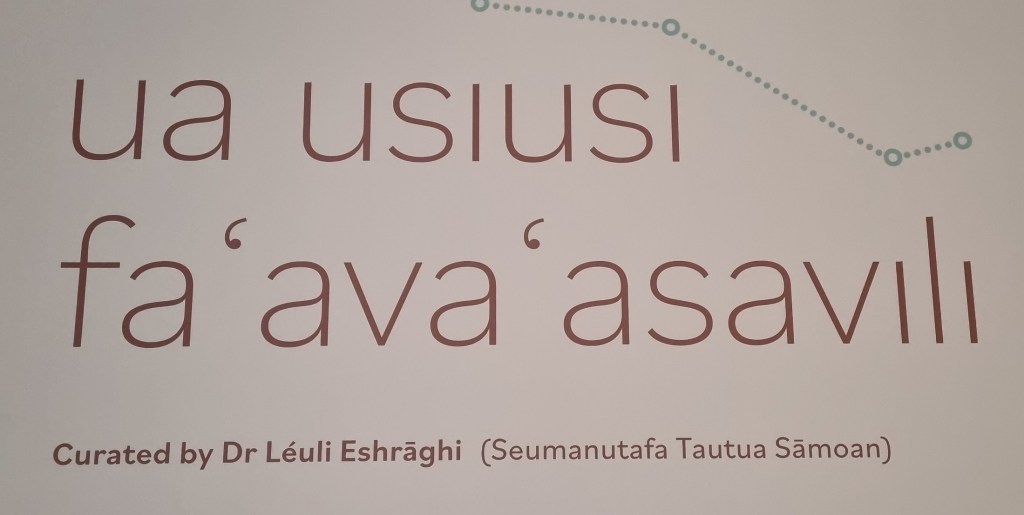
I was lucky enough last week to visit the TarraWarra Biennial exhibition 2023. a prestige art venue in the countryside near Melbourne in Australia. The  biennale title is a Samoan proverb which translates as – ‘the canoe obeys the wind’.

By coincidence, just before we left for Australia I went to a seminar on traditional Pacific navigation organised by the Royal Institute of Navigation and the National Maritime Museum in Greenwich, London.

Continue reading “Ancient Pacific navigation inspires mainstream art”

Wooden boat craftsmanship

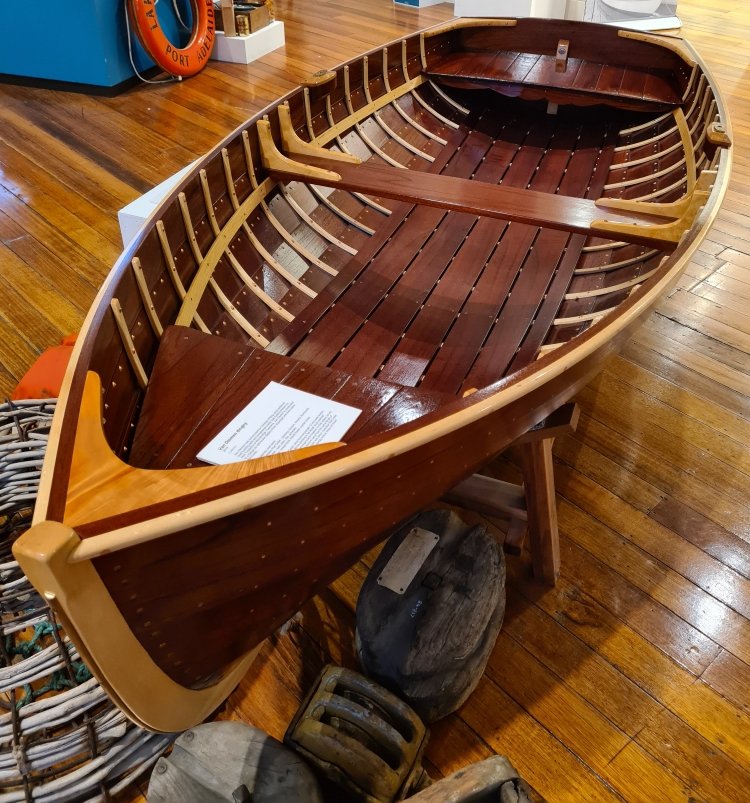
The craft of wooden boatbuilding is alive and well on the other side of the world. Here are two dinghies built recently by local boatbuilders for the Hobart Maritime Museum in Tasmania. On close inspection they are not only strongly built, they are finished almost to cabinet maker standard.

Continue reading “Wooden boat craftsmanship”

Admiralty gives in

The revolution has been postponed: the United Kingdom Hydrographic Office has delayed the phasing out of its Admiralty paper charts for four years, to 2030. This follows pressure from the Royal Yachting Association and others.

The argument against losing paper charts sooner is that adequate electronic alternatives for small craft – especially small commercial ones – will not be ready in time.

Continue reading “Admiralty gives in”

Wrong-headed satellite precision claims

I’ve had quite a few emails recently from Orca, a navigation equipment and software firm, boasting about the 3 metre location accuracy of their equipment as a major selling point. It’s a waste of marketing effort, as far as I’m concerned.

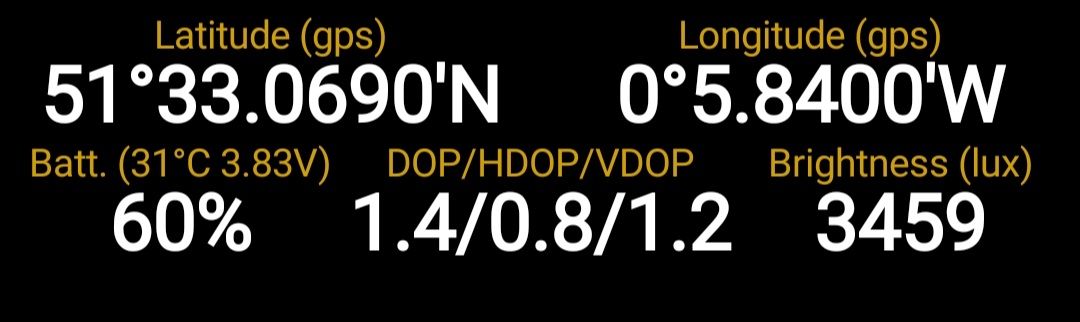
Three metre satellite accuracy – available nowadays even on some top of the range phones – is no use when round much of the British Isles chart positions can be far less accurate.

Continue reading “Wrong-headed satellite precision claims”

Sigma 362 gets top marks

Practical Boat Owner’s current issue goes to great lengths to praise the qualities of the Sigma 362. It is given three whole pages of an 8 page article on the best cruiser-racers to adapt to cruising.

That’s quite an accolade for a 1980s design that was last built in the early ’90s.

Continue reading “Sigma 362 gets top marks”

RYA electronic chart training has missed the boat

The near-universal shift by small boat sailors from paper to electronic charts has left the Royal Yachting Association’s training courses floundering in recent years.

That was underlined when Admiralty, owned by the UK Hydrographic Office and one of the world’s gold standard official chart brands, said in July that it will stop selling paper charts altogether by the end of 2026.

Continue reading “RYA electronic chart training has missed the boat”

Beachcombing for weathered teak

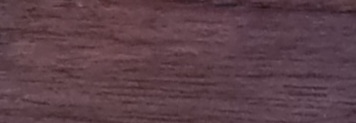
Every river I know with saltings has timber rubbish stranded near the high tide line, usually broken and ignored. A close look, however, tells a better story. Today’s flotsam is often a fragment of a very old boat, and the best of all is a piece of long-lasting teak.

Continue reading “Beachcombing for weathered teak”

August – Dun Laoghaire to Cowes

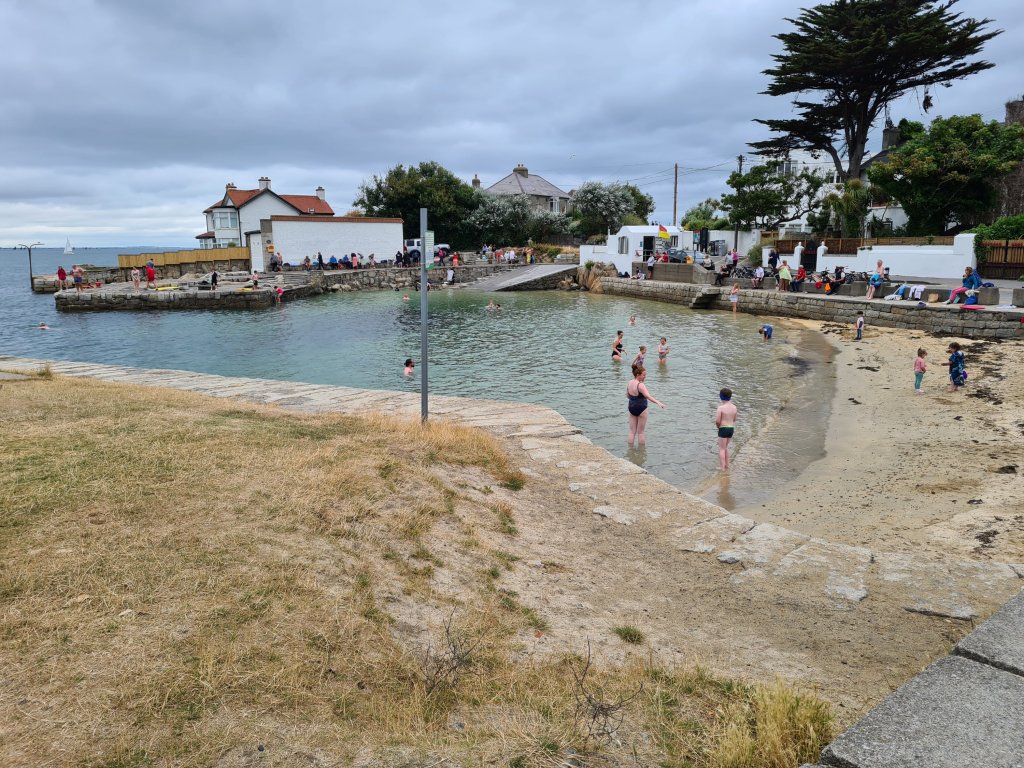
Covid caused a full week’s delay in Ireland, and the weather forecast added another three days. By then we were feeling fit, though perhaps tiring a touch more easily than usual. We grabbed the chance to see more of Dublin, along with Rob, who arrived by ferry late on Sunday night.

Sandy Cove, Joyce’s Tower almost hidden behind the trees on the right

Near Dun Laoghaire, the James Joyce Tower and Museum at Sandy Cove is fascinating both for its atmosphere and – at weekends – for the fluent storytelling about Joyce and Ulysses by the volunteers who staff it. The tower is the setting of the first page of the book.

Continue reading “August – Dun Laoghaire to Cowes”

July – passage to Ireland

The plan before Covid struck was to allow three weeks for a cruise to the Irish Sea, which is quite difficult to time exactly because of the uncertainties involved in rounding Lands End.

To make the new cruise work on our original pre-Covid timescale, Tony and I had taken advantage of a generous offer from Antony F to arrange a mooring for us at Saltash Sailing Club, an attractive and friendly place near the Tamar bridges (see June post).

Dolphins all the way from Plymouth to Helford – here’s one about to surface

A good wind to get to Lands End from Plymouth is often a bad wind for carrying on northwards to Ireland. Strong winds can also prevent rounding the headland for days, as we found in 2007 when we were held up for a week in Falmouth.

Continue reading “July – passage to Ireland”