December – checking proofs

With the new lockdown – boat and our home both in the highest tier of antivirus restrictions – winter sailing plans are off for the moment.

So the only boating thing getting done here is proof correcting for the new edition of Pass Your Yachtmaster, by David Fairhall and the late Mike Peyton, the cartoonist.

It involved writing a lot more new material than I expected – or perhaps I should have realised, given the speed at which electronic navigation, marine communications, emergency location, search and rescue and numerical weather forecasting have developed during the 38 years the little book has been in print.

Continue reading “December – checking proofs”

November – the sextant survives in the navy, & joy in little jobs

I learnt this month that Royal Navy officers still have to learn and practice astro-navigation with a sextant, despite the incredible array of technology at their disposal.

I was at a Zoom meeting with Rear Admiral Peter Sparkes, the UK National Hydrographer, organised by the Suffolk branch of the Cruising Association.

Continue reading “November – the sextant survives in the navy, & joy in little jobs”

October – the shortest season ever

That’s that, for the moment: new lockdown, can’t go to the boat for an autumn mini-cruise or even to do some maintenance, so sum total of this year’s sailing is 5 days in the Solent. I try not to contemplate the cost per day.

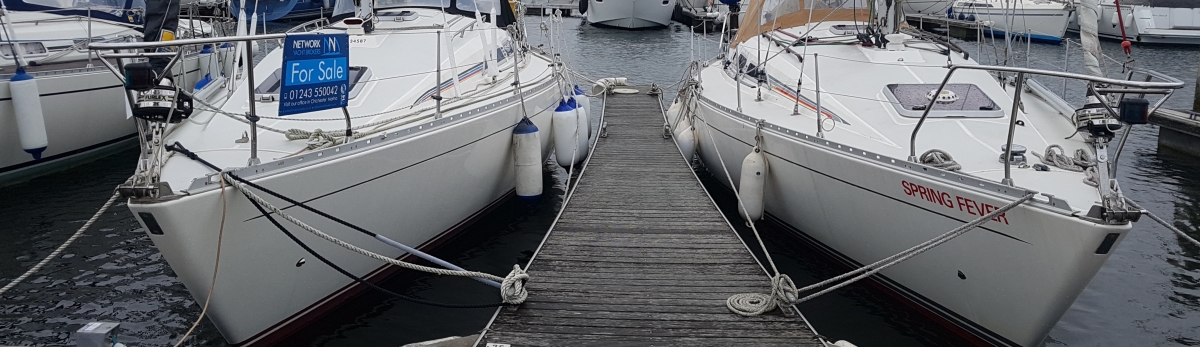
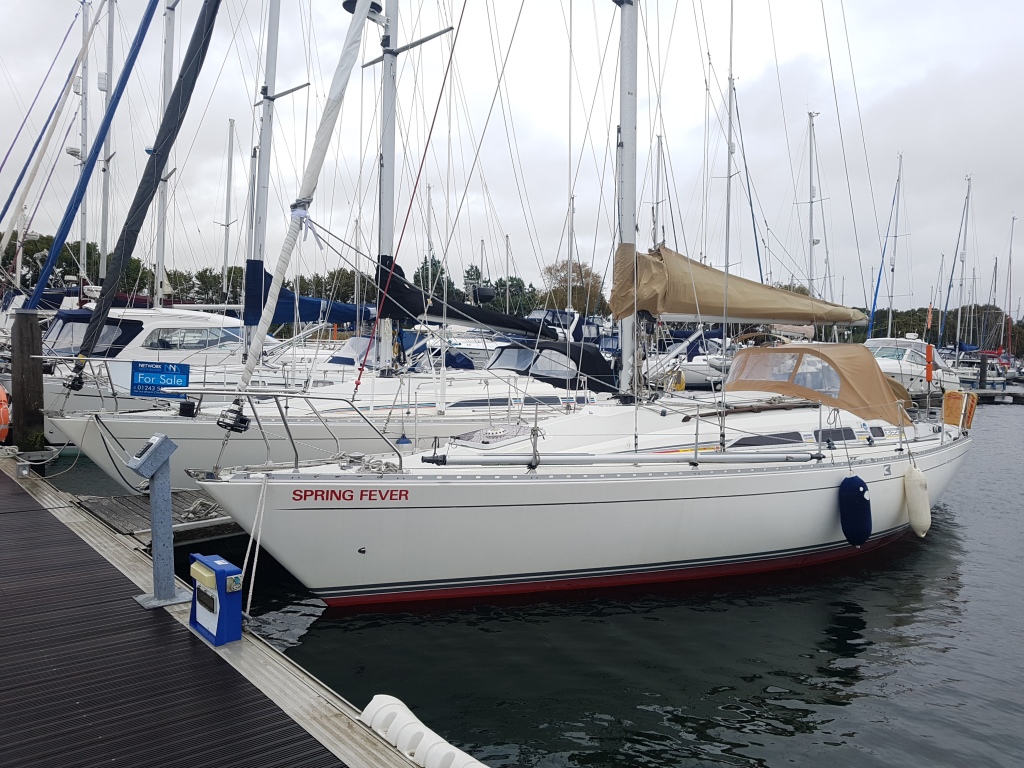
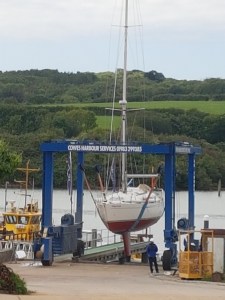
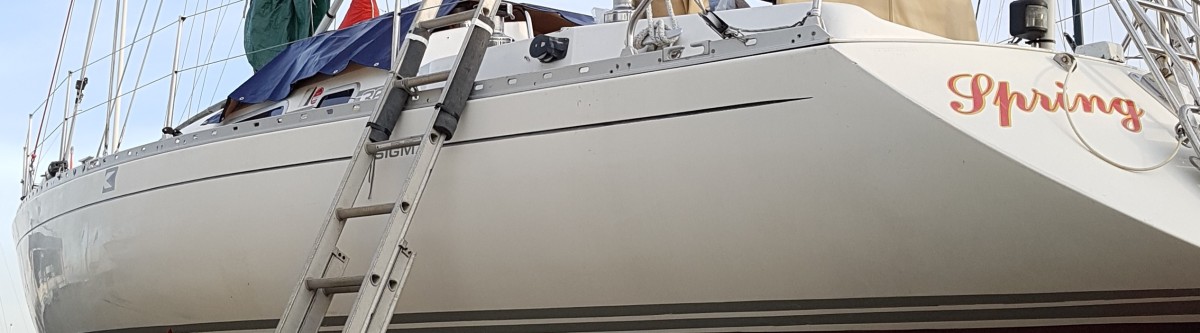
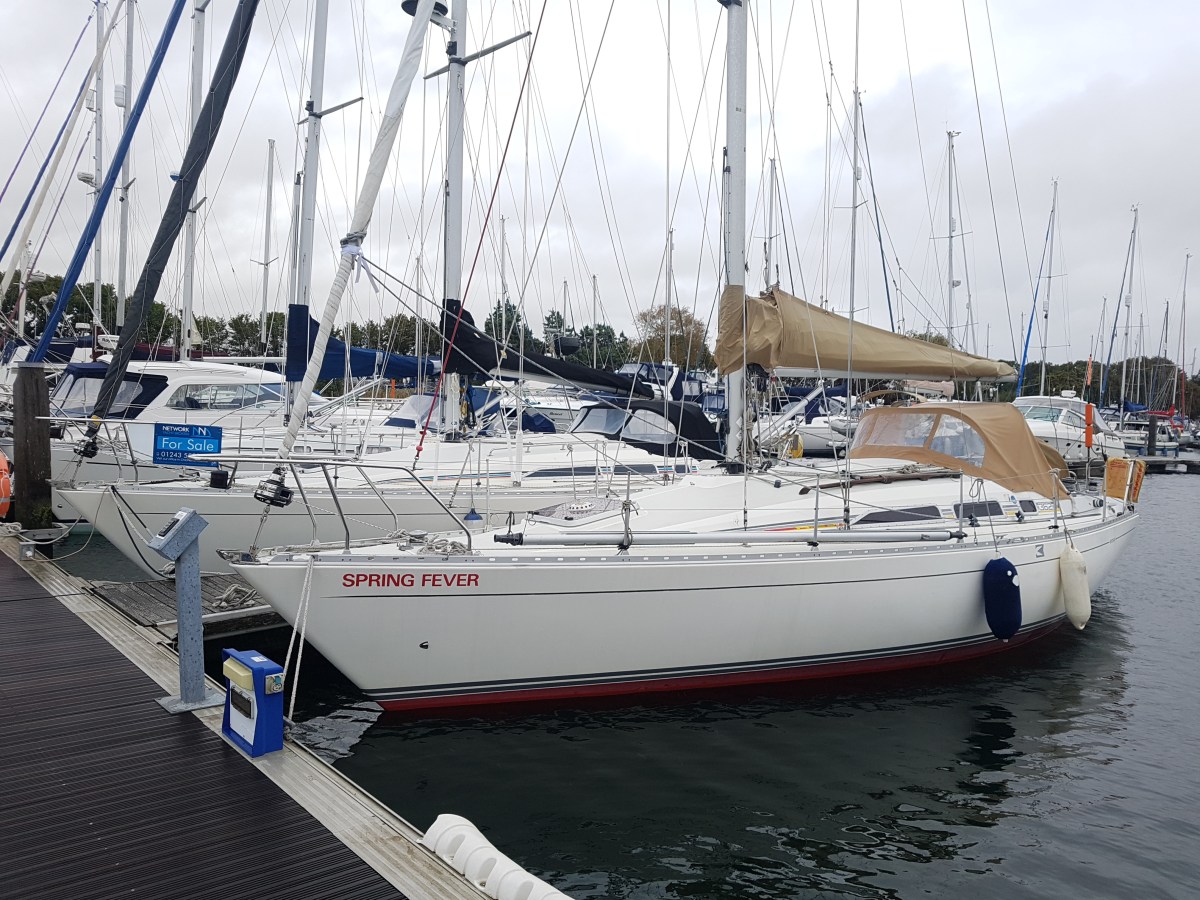
We have however decided to leave the boat fully in commission in Chichester Marina (above) over the winter and into next season, with sails bent on and engine not winterised. This is because Spring Fever was launched only in mid-September, so gear and antifouling have not just finished a long, hard season.

Continue reading “October – the shortest season ever”

August – still waiting, but planning

For multiple reasons, this year’s launch has had to be put back again to 1 September. We haven’t missed much because of the delay, since the weather has been awful.

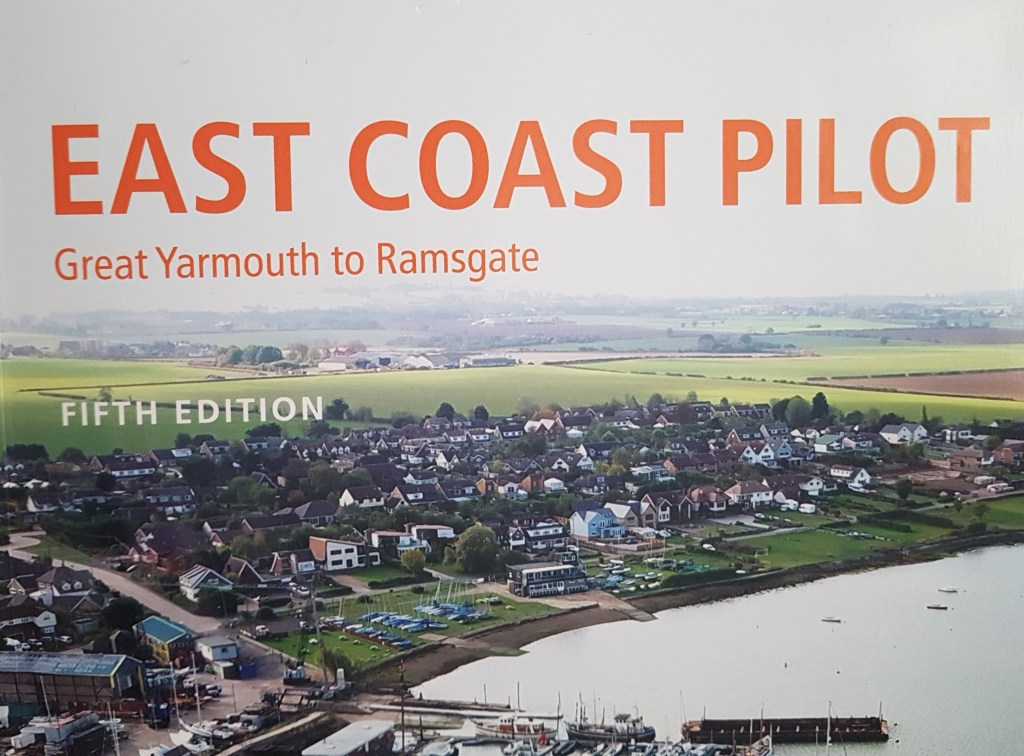
Essex and Suffolk are still the objectives, and the delay has given some time for preparations, including buying the latest edition of East Coast Pilot. With its predecessor East Coast Rivers, I have editions going back to 1981.

Continue reading “August – still waiting, but planning”

July – launch date at last

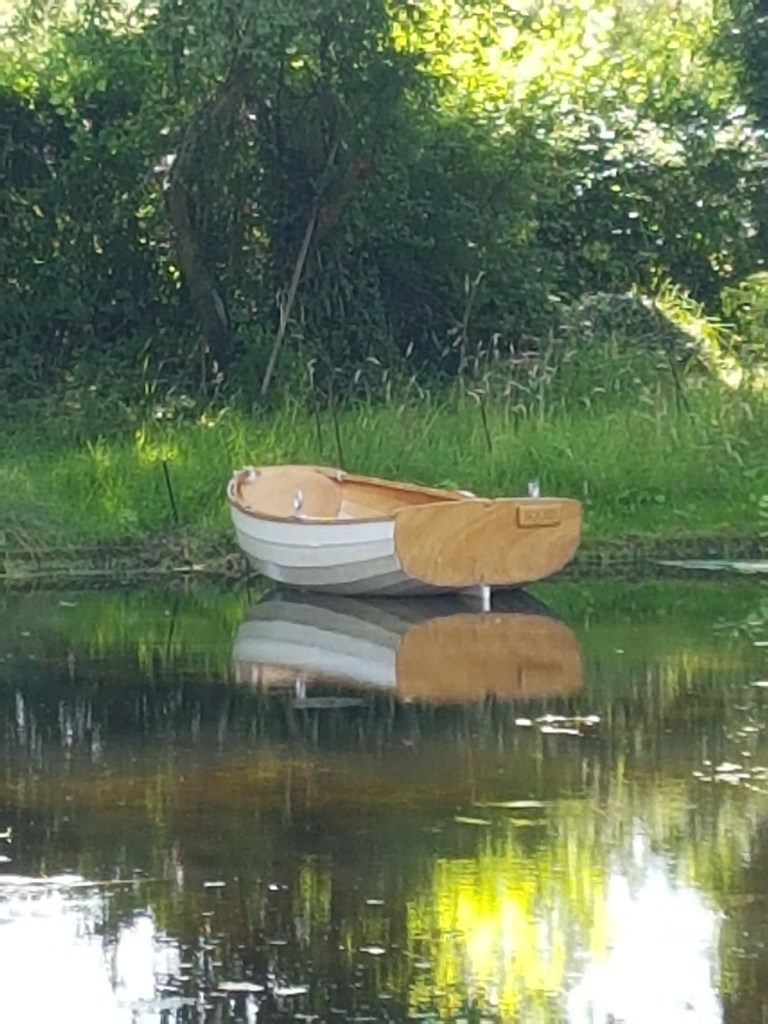
So far the only boating I’ve done the entire year is rowing my little dinghy to harvest some luscious but otherwise inaccessible early blackberries hanging over the water.

This lovely little lapstrake boat, a Roger Oughtred design called a feather pram, is too fragile to want to knock it about on beaches as a yacht tender, so I keep it safe on our pond.

Continue reading “July – launch date at last”

June – tide turning

It looks as if we’ll be free to go cruising on Spring Fever from 4 July, the day the renewed easing of Covid-19 controls starts. While we will not be ready for early July, at least we can now plan a sail, possibly to the Essex and Suffolk rivers.

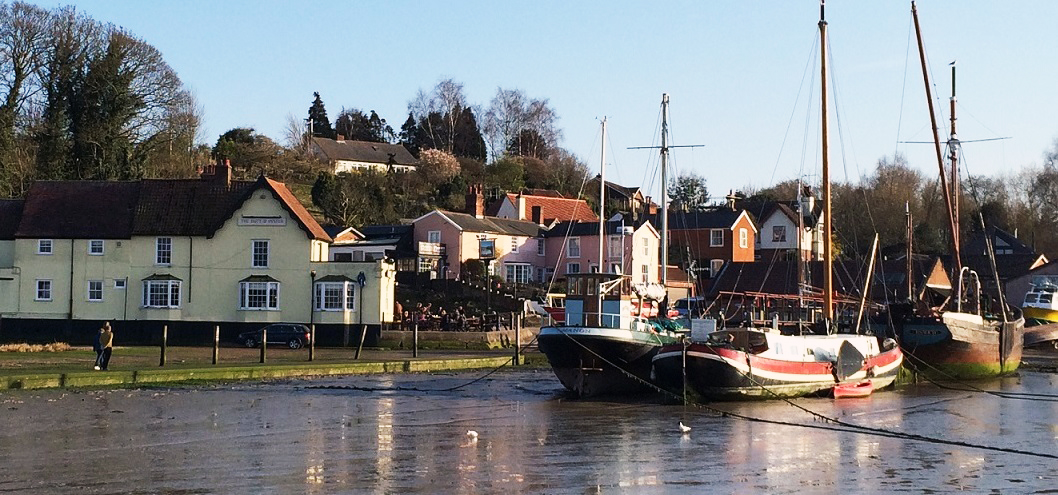
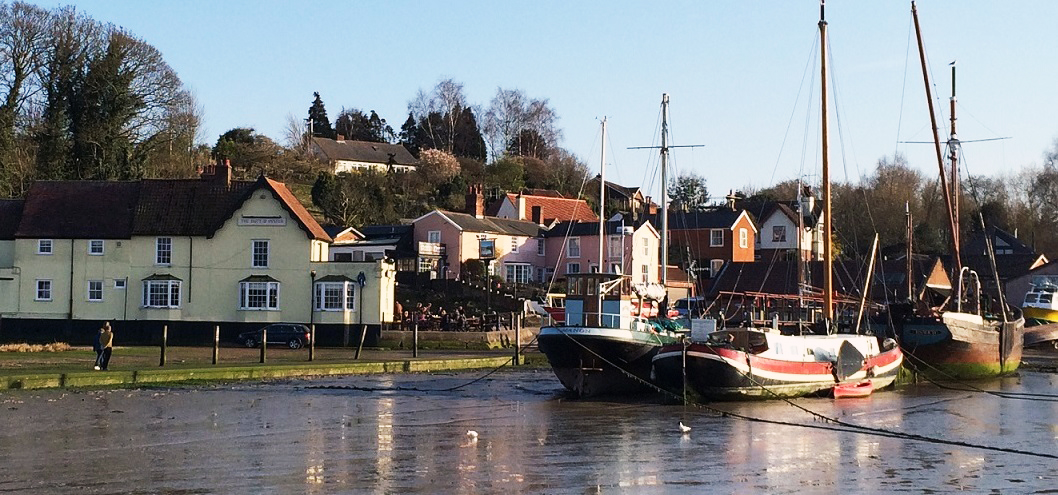
Pin Mill, near Woolverstone, Suffolk

Following the end of the ban on overnight stays on boats, Cowes, where we are at the moment, has reopened to visiting boats that book a berth in advance.

Continue reading “June – tide turning”

May – a narrow escape in Venice

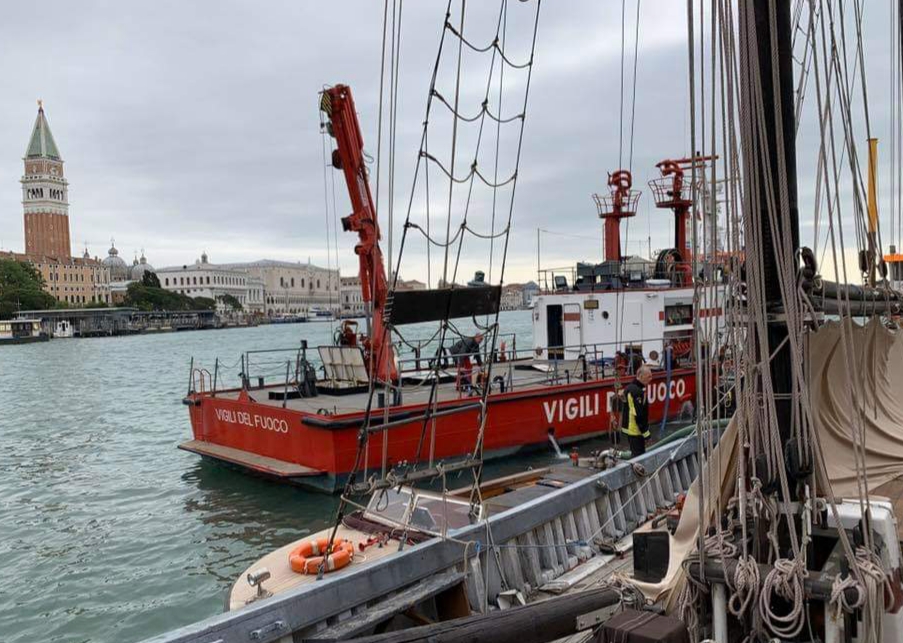
Sad news from Venice, where the historic Trabaccolo trading vessel I went to write about for Classic Boat a few years ago has been swamped and damaged by a bad leak. The vessel was saved by the pumps of firefighters who came alongside Il Nuovo Trionfo where she was berthed near the Salute, at the entrance to the Grand Canal. Apparently the boat’s own pumps had failed, though the reasons for the leak in the first place are not clear. The water flooded the engine, and videos show it swilling around at the level of the saloon table top, submerging much equipment.Firefighters alongside with pumps, St Marks Square in the distance

Il Nuovo Trionfo has now been pumped out and towed to a yard for repairs ashore, where she is now. Continue reading “May – a narrow escape in Venice”

April – sea fever

It’s the time of year when we recommission Spring Fever, paint the bottom, ready the gear and sails, update the charts and clean and polish the hull. These essential rituals lead up to that perfect moment when we head out from the harbour and the bow first rises to the swell from the sea – a cliché, I know, but it is a spring-time experience always  to savour.

That’s impossible with the boatyard shut and we, the owners – as a slightly-older category of person – banned from leaving home. It’s only when I can’t get on a boat as the summer approaches that I realise quite how much it still means after all these years. Sitting here in Suffolk, 20 miles from the coast, the east wind smells of the sea and, if I’m not careful, I’ll soon be reciting John Masefield.

Continue reading “April – sea fever”

March – Spring and fever

Our plans are changing rapidly, just like everybody else’s in all walks of life in Europe. Sailing now has to be a peripheral concern, but we still have to work out what to do with the boat, and indeed whether we can sail it at all this year.

No sooner had we decided to go to southern Brittany rather than our original destination of Spain than the fight against the Covid 19 virus made that new plan difficult and probably impossible. It is only a couple of weeks since we applied for a 12 month mooring for Spring Fever at Arzal on the lovely River Vilaine: not surprising we haven’t heard back, because southern Brittany has a local concentration of infection, and the marina is now preoccupied with far more urgent matters. It has announced a strict plan to protect its staff and customers. Continue reading “March – Spring and fever”

Relearning old navigation lessons

Two letters in the latest issue of the excellent Cruising Association magazine* claim it is now safe to rely entirely on electronic charts because backups to the boat’s main chartplotter are so cheaply available. You can leave your old paper charts abandoned in the bottom of a locker somewhere, the argument goes.

However, while researching updates for the yachtmaster book I mentioned last month, I’ve been re-reading intensively about old fashioned navigation techniques I learnt a long time ago, some of which were beginning to fade from memory. It has reinforced for me how important it is to avoid total reliance on electronics and have a portfolio of navigation skills including the old ones. Continue reading “Relearning old navigation lessons”

Bowsprit – pronounced bow, bo’ or bogh?

How do you pronounce bowsprit? I’m usually against language pedants, who try to foist the views of Victorian grammarians onto the 21st century. But this word is my one little obsession, ever since getting a letter into Yachting Monthly on whether the first syllable of bowsprit should rhyme with dough or cow.
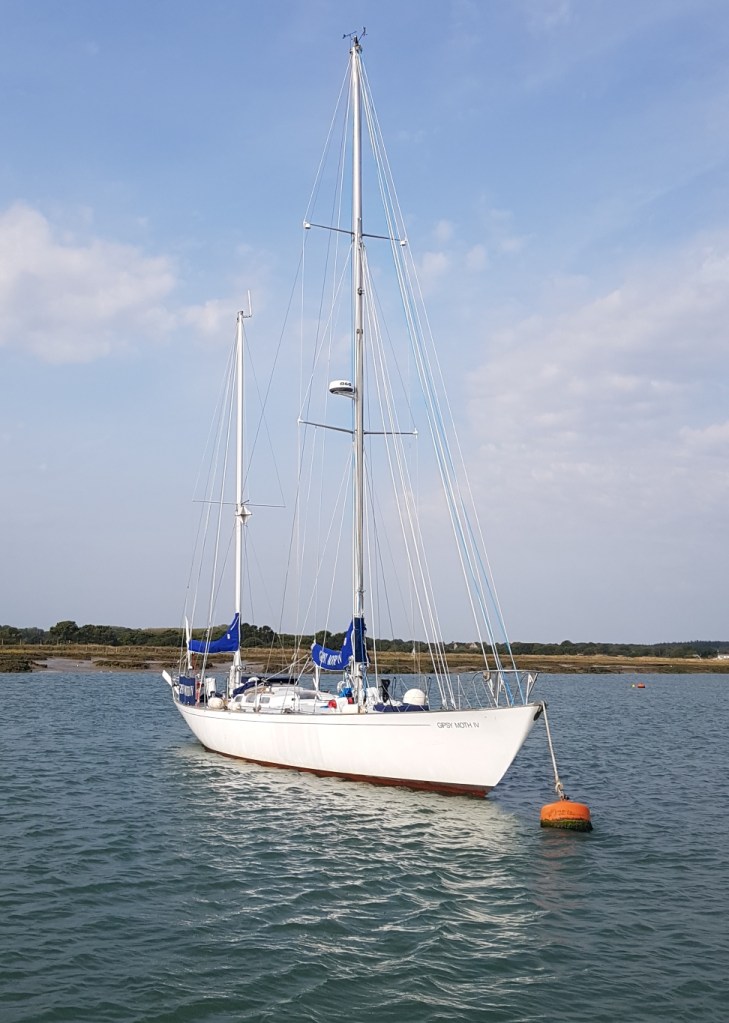
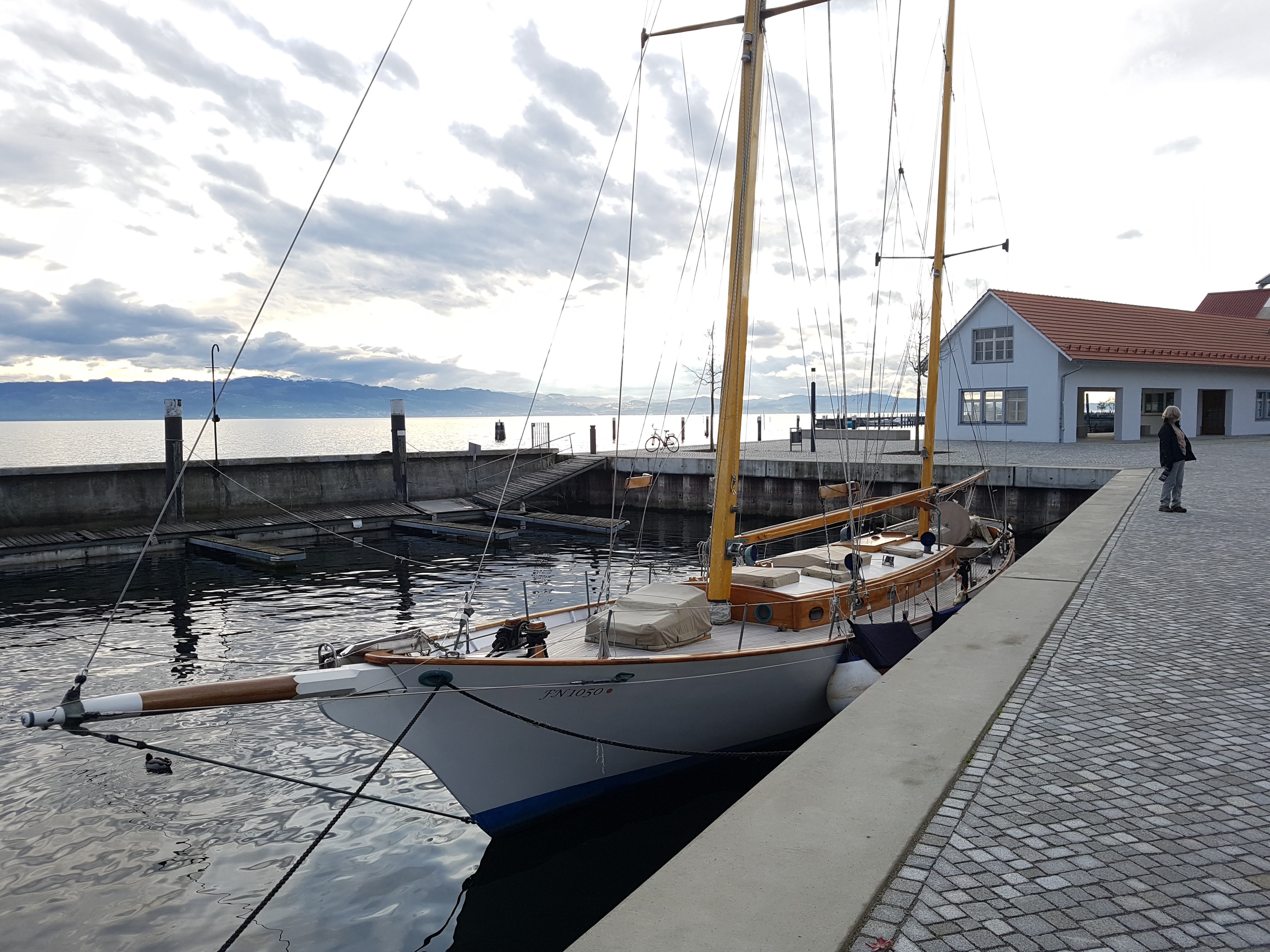
I was reminded by contemplation of this lovely boat recently.
I can’t remember why or when, but I learnt to pronounce bowsprit to rhyme with dough as a child. In fact, the similar word bowline is always pronounced like dough.
So why the difference?Nobody contradicted me on bowsprit till adulthood, partly, I suppose, because I did not know anyone with a boat with one.
But once I met people who used the word practically rather than just read about it, I found myself in a tiny minority: indeed, a handful of people I met were so irritated by my pronunciation that I wrote to Yachting Monthly for a ruling.They published the letter and the deputy editor sent me a private note saying he agreed with me that it should rhyme with dough – but it was obviously too sensitive an issue for such an important journal to take sides in public!
The Oxford English Dictionary agrees it should rhyme with dough, deriving the bow in bowsprit from Middle Low German and Middle Dutch. The online OED can speak the word, too, and it is my way.
I know I am being a touch inconsistent, because I am also convinced that language should evolve the way people actually use it, and not be held back by pedants (see books by David Crystal and David Shariatmadari).
So mine may be a losing battle. The reality is that the pronunciation of bowsprit has changed with popular usage – but don’t expect me to give in any time soon….
See this update in February 2024
February – averting satellite disaster

The British government turns out to have been ahead of the game on the  satellite risks I mentioned last month, with a £36 million programme just announced to  prevent navigational satellite failures damaging the economy by as much as £1 billion a day. It is feared that the entire country has become over-dependent on a handful of satellite systems.

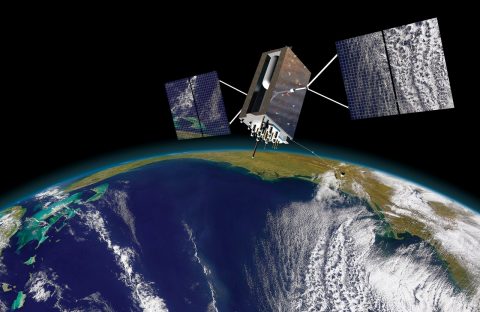
Emergency services, the energy grid, mobile phones, Satnav, broadcasting and other communications, the Stock Exchange and an array of other activities all rely heavily on the super-accurate timing provided now by navigational satellites such as GPS and similar systems. There are life-threatening risks from failure, says the government.An image of a third generation Lockheed Martin GPS satellite

The new investment is in a National Timing Centre to create a network of super-accurate atomic clocks around the UK, accessed through ground-based communications, so that the economy will no longer be over-reliant on timing from GNSS signals from the sky.

GNSS is the term that embraces the US  GPS, the first system, Russia’s GLONASS satellites, Europe’s new Galileo and also a rapidly developing Chinese system.

Galileo failed completely for a while last year during its start up phase, because of operator errors, and there are now many examples of interference with GNSS systems and malicious ‘spoofing’, in which navigation instruments are fooled into thinking they are somewhere else. The heart of all navigation by satellite is accurate timing, without which positions cannot be fixed.

Continue reading “February – averting satellite disaster”

January – satellite scares, and getting ready for Biscay

At the Royal Institute of Navigation’s small boat conference in Lymington earlier this month, I learnt a lot about  new risks of error  in satellite navigation : I did not know, for example, that it is possible with quite cheap local equipment to fool the GPS on a plane, ship or even a missile into thinking it is somewhere other than its real position.

There are now tens of thousands of reported incidents of errors, deliberate, accidental or of unknown cause, with a substantial number of them unsurprisingly in sensitive areas such as the Gulf, and the Black Sea near Ukraine, suspected to be hostile activity.

Reports of accidental errors include a couple of local failures when US naval vessels arrived in the port of San Diego, apparently forgetting to switch off unspecified electronic equipment, which interfered with satellite-derived positions for miles around.

Continue reading “January – satellite scares, and getting ready for Biscay”